Today was another long day on the road. The area covered on this tour is significant so if you go, expect lots of bus time. Don helped pass the time by tracing the history of South Africa from 2.5 billion years ago (Mrs. Ples) to the end of Apartheid. Our first stop today was a requisite shopping stop. This one was at a glass factory, which to me is an interesting choice given the fact that 100% of the people on the tour will have to get fragile items back to their home without breaking. Normally, glass blowing demonstrations are given but since our visit is on a Sunday, the factory floor is not operational. The glass was beautiful, but I was not tempted in the least to buy any. Of course, I rarely do buy souvenirs!
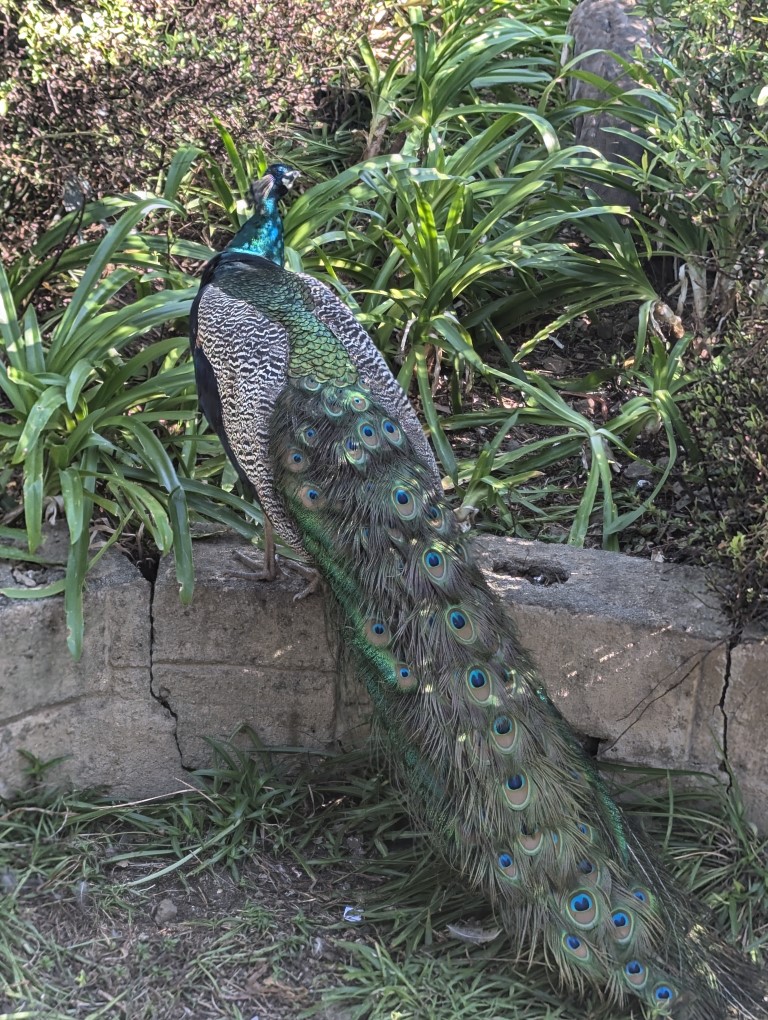
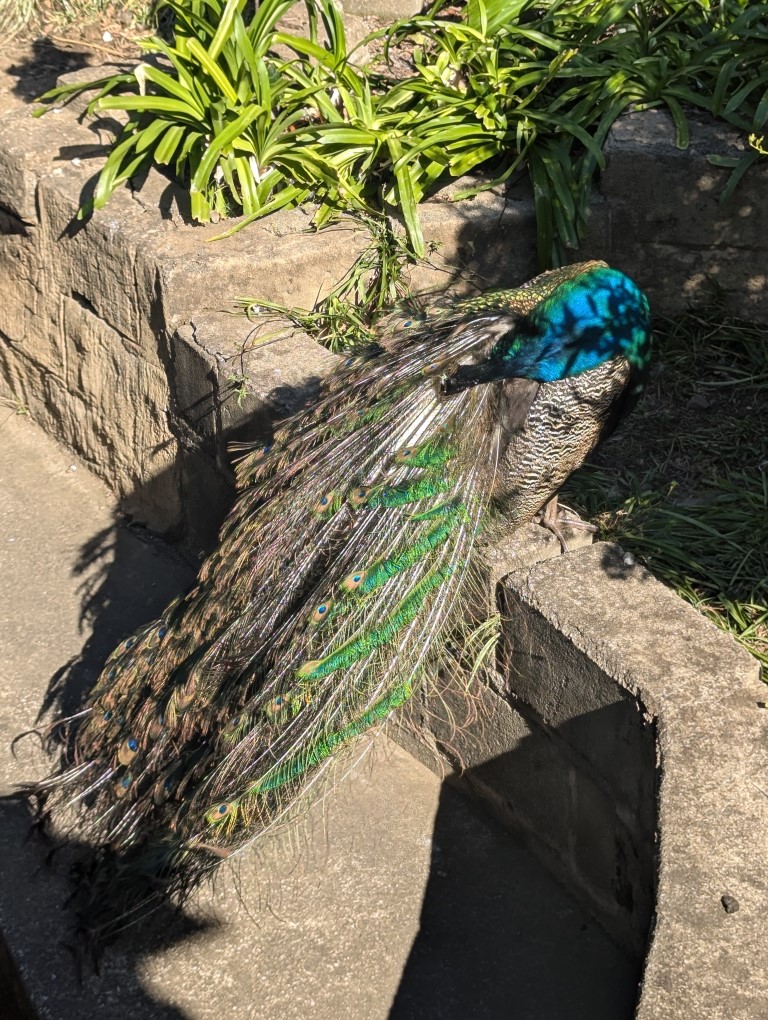
There were some beautiful peacocks roaming the grounds so of course, I had to take a few photos.
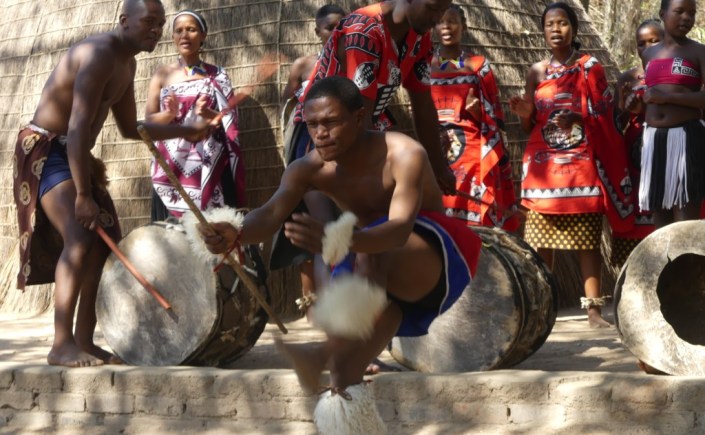
Our goal today is to reach Kruger National Park by dinnertime. After the glass factory, we rode for an hour and a half to the Eswatini border where we once again hopped off the bus, got stamped out of Eswatini, got stamped into South Africa, and then got on the bus for a few minutes. We were dropped off at the entrance to Matsamo Village which is technically in Eswatini. Here we would learn about life in a Swazi village and be treated to singing, dancing, and a buffet lunch.
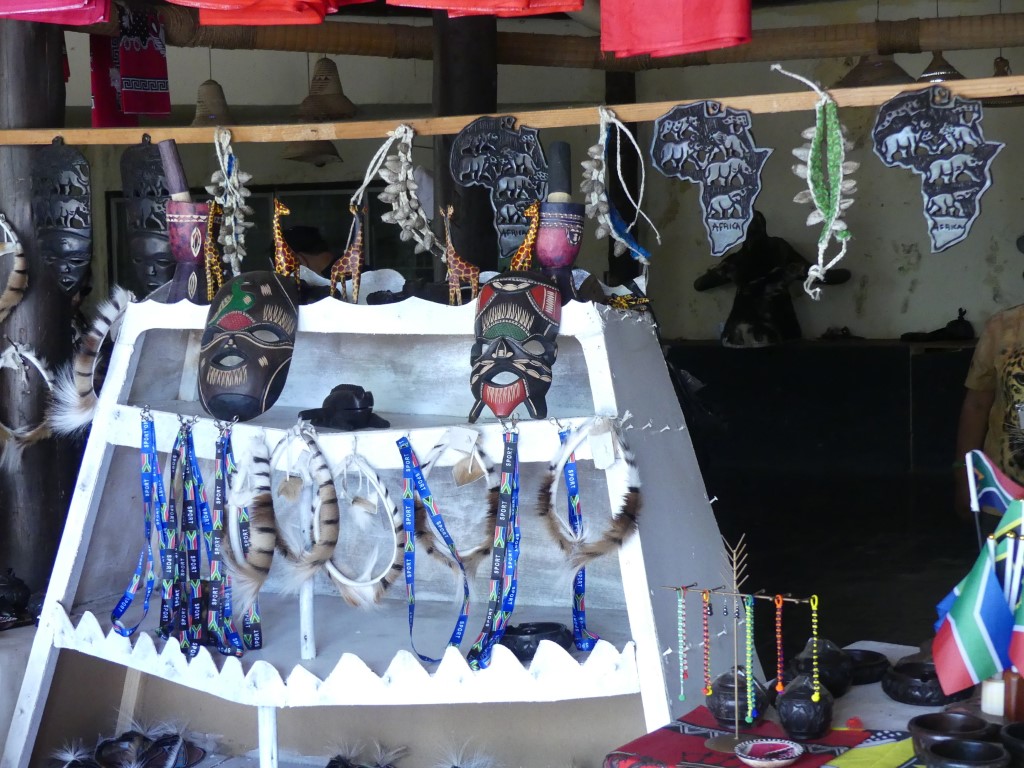
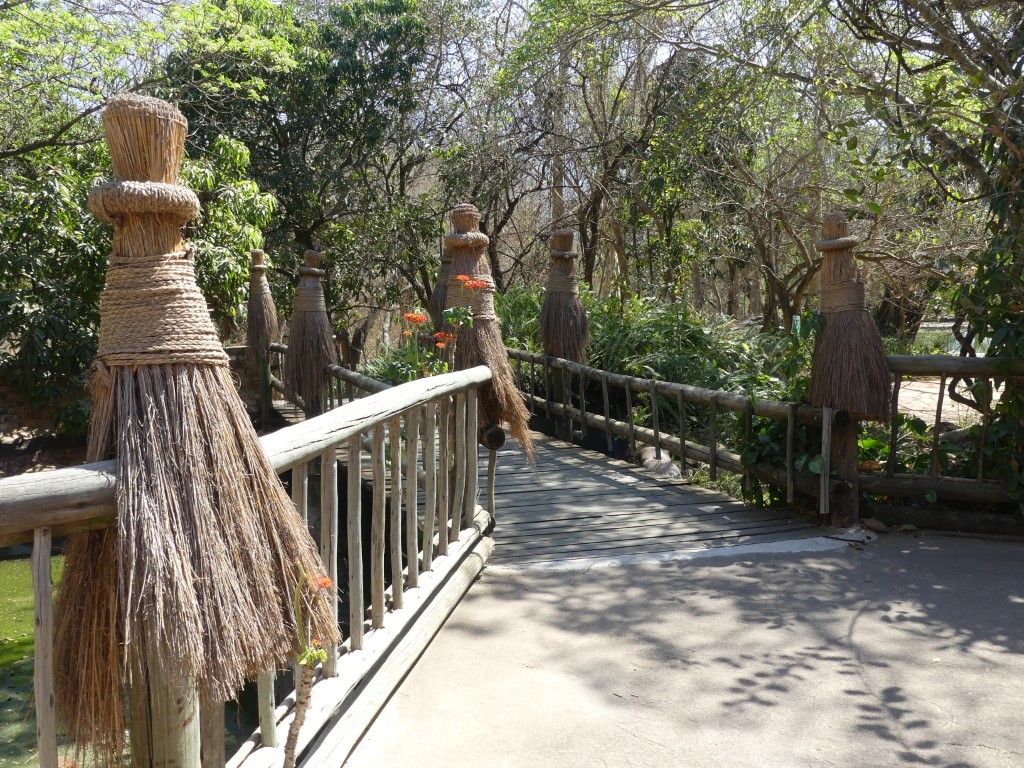
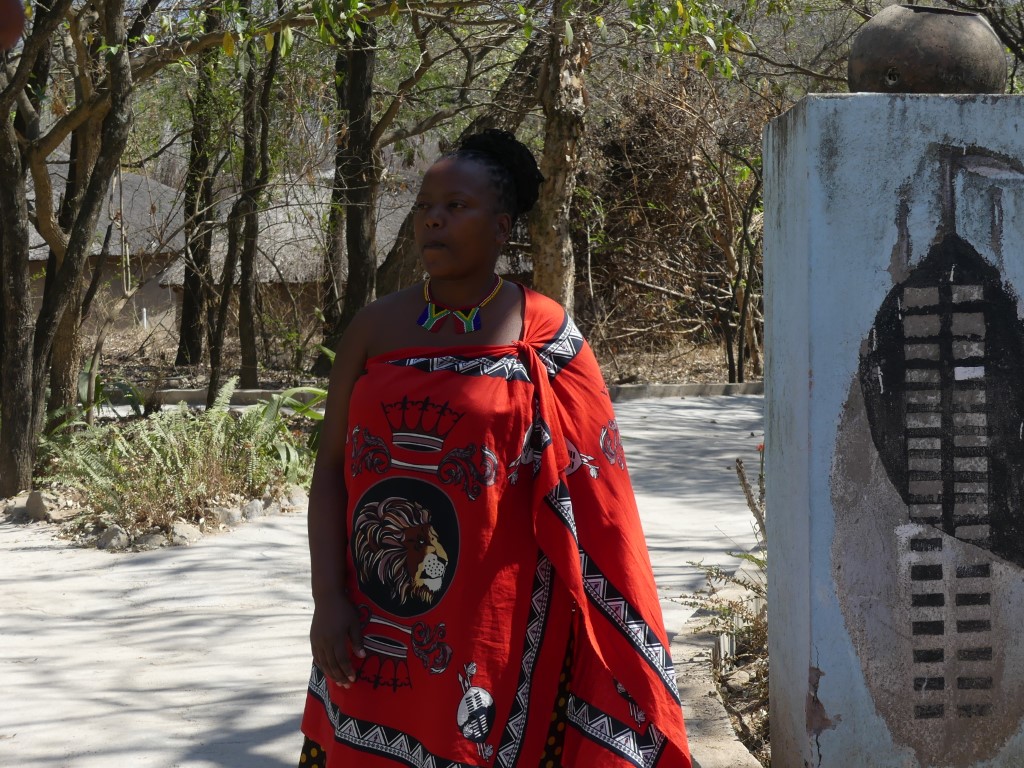
This was a fascinating glimpse into what I can only assume was how life used to be. I personally find it hard to believe that in today’s day and age, life continues like this. The chief of the village has two wives and twenty-five children. The grandmother solves problems for the village. She has a special hut. Before entering the village, you must call out a welcome and ask permission to enter. We did so and the villagers answered us in song, welcoming us in.
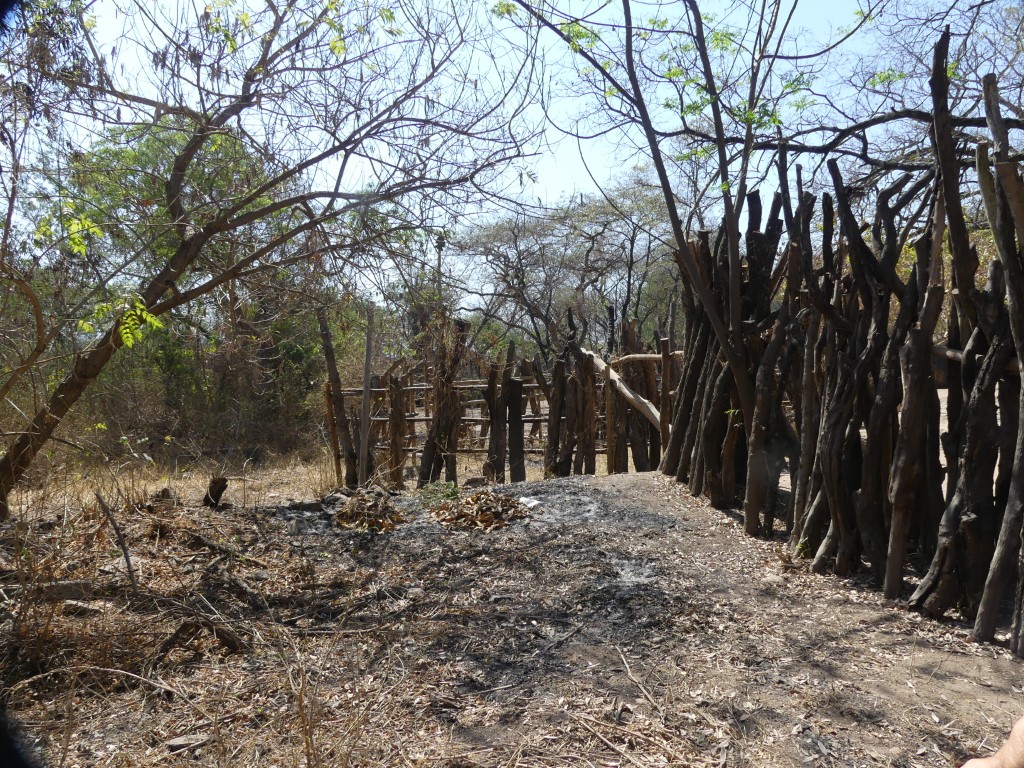
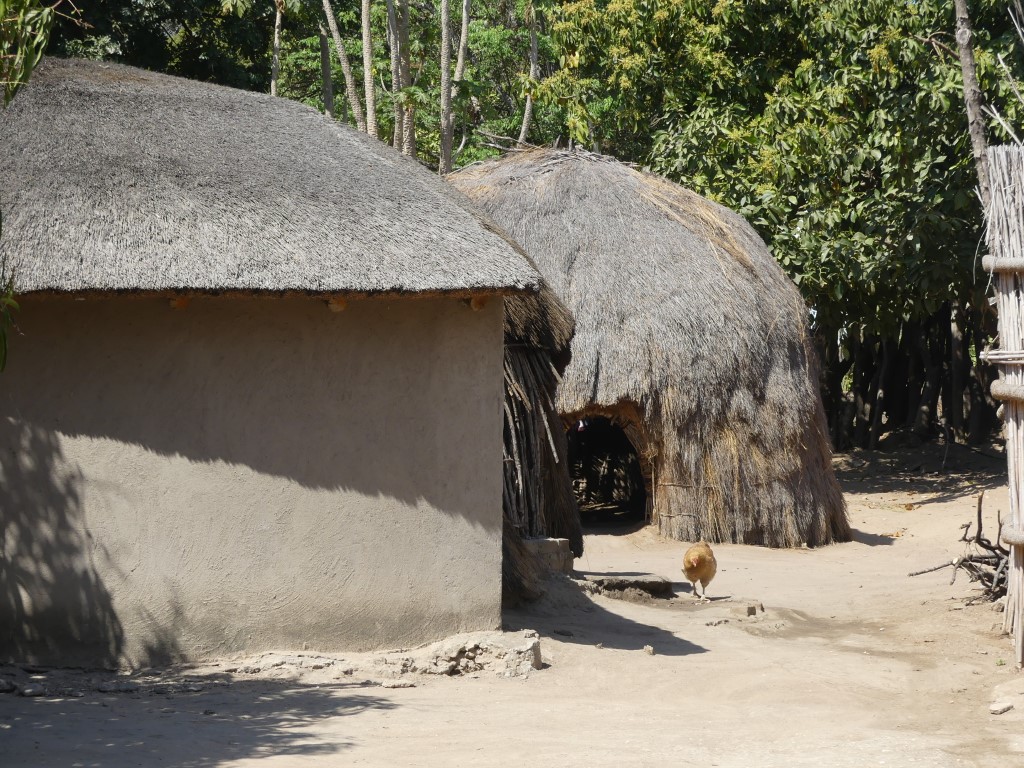
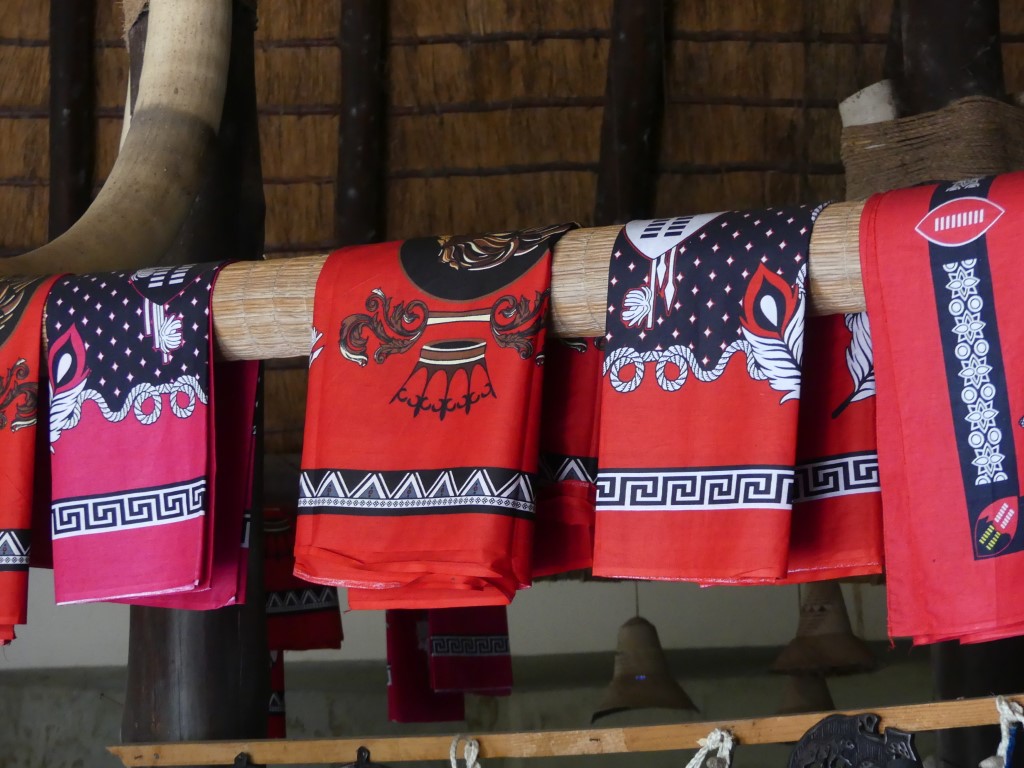
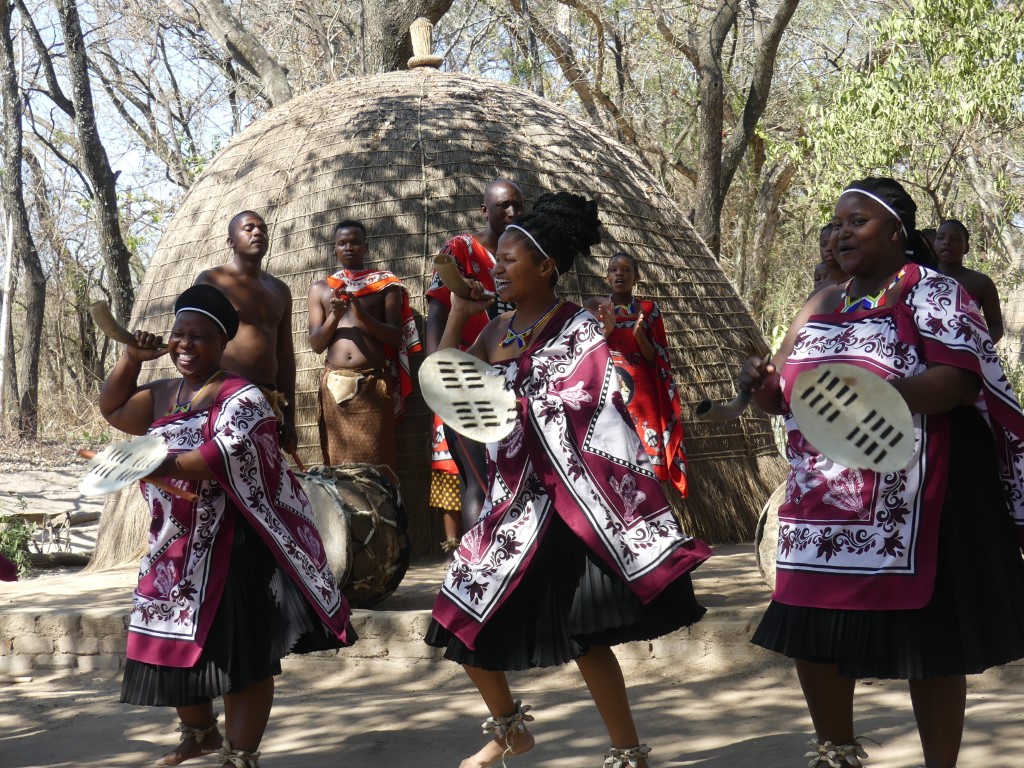
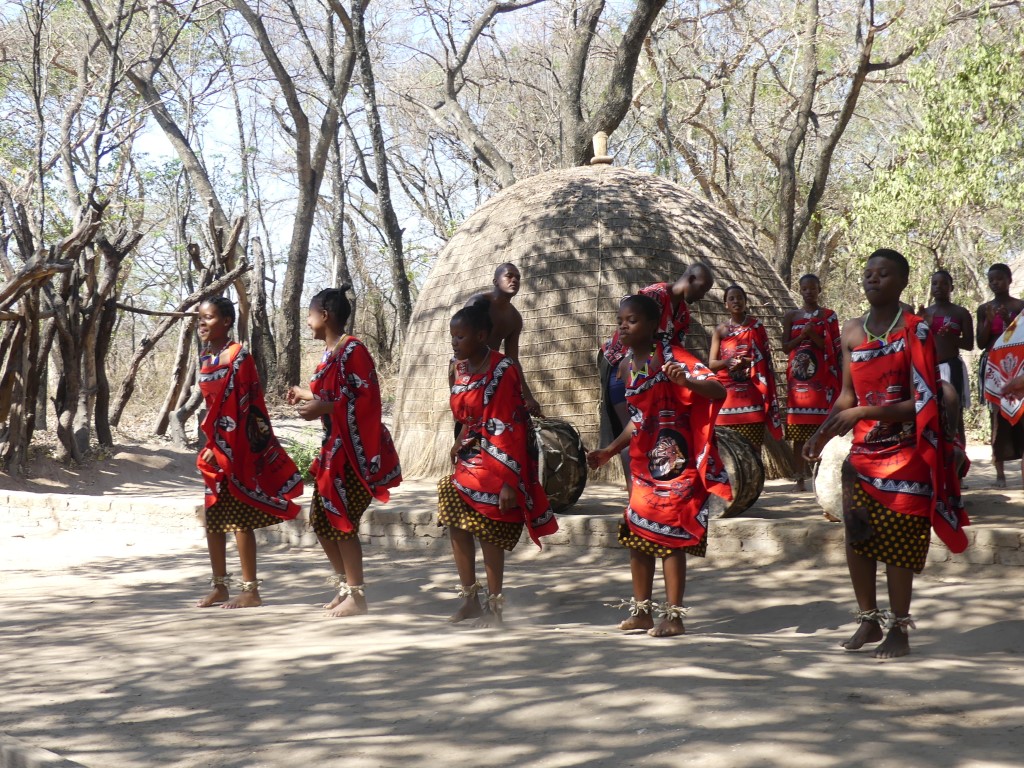
Men here practice polygamy. The first wife learns the ropes from the grandmother as to how to control the family and what the rules are. The second wife does all the cooking and cleaning; apparently even when the husband takes additional wives. When a woman marries, she wears a maroon sarong (single women wear bright red) and covers her head. Bright colors are not allowed for married women since they attract men. Men, of course, can wear any color.
There are no arranged marriages, and brides come from outside the family and village. There is no divorce. If your husband turns out to be abusive, you go to the grandmother for mediation. Women typically marry at 18; men at 24. Children from birth to age 6 live with their parents; from 7 to 12 with their grandparents; and from 13 to marriage in a hut. Women collect firewood and water.
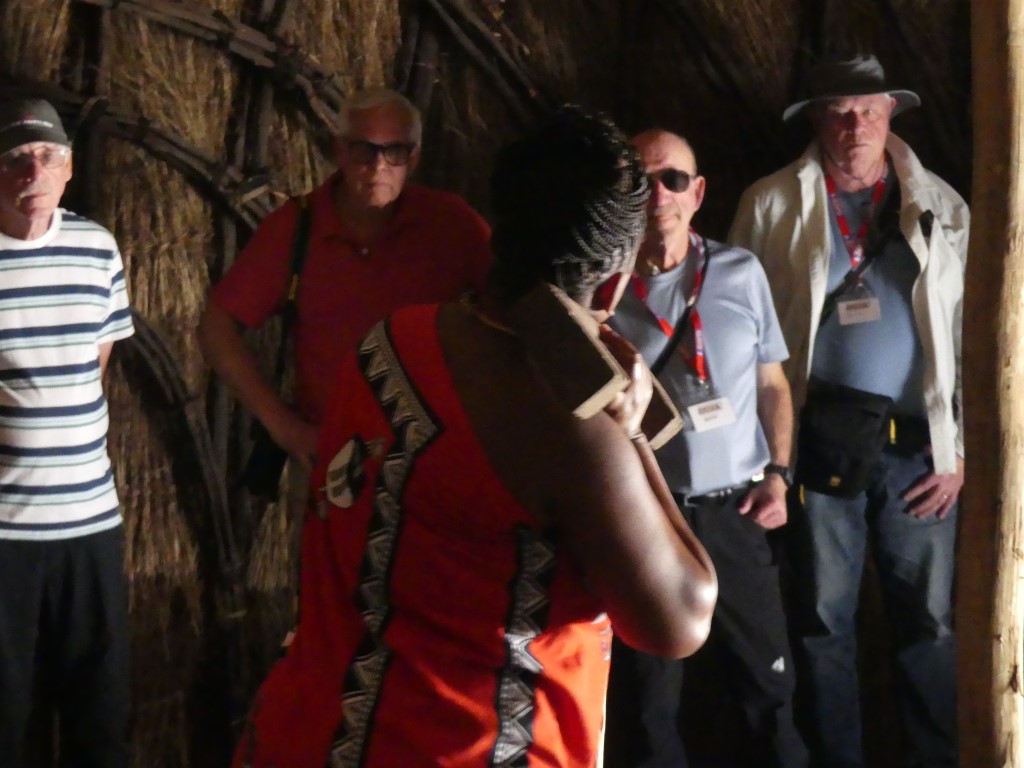
We entered the grandmother’s hut; men entered first. The woman sleeps on the right side of the hut with the babies. If her husband wants sex, he taps a stick. The woman then kneels and crawls to her husband and performs her marital duty. Then, she crawls back to the children. If the man is not satisfied, he taps the stick again and she must crawl back and have sex with him again. If he is satisfied, she is now allowed to sleep. You might ask if a woman has a right to refuse to have sex with her husband? Sure, she can! But the only valid reason is menstruation; no other excuse is acceptable.


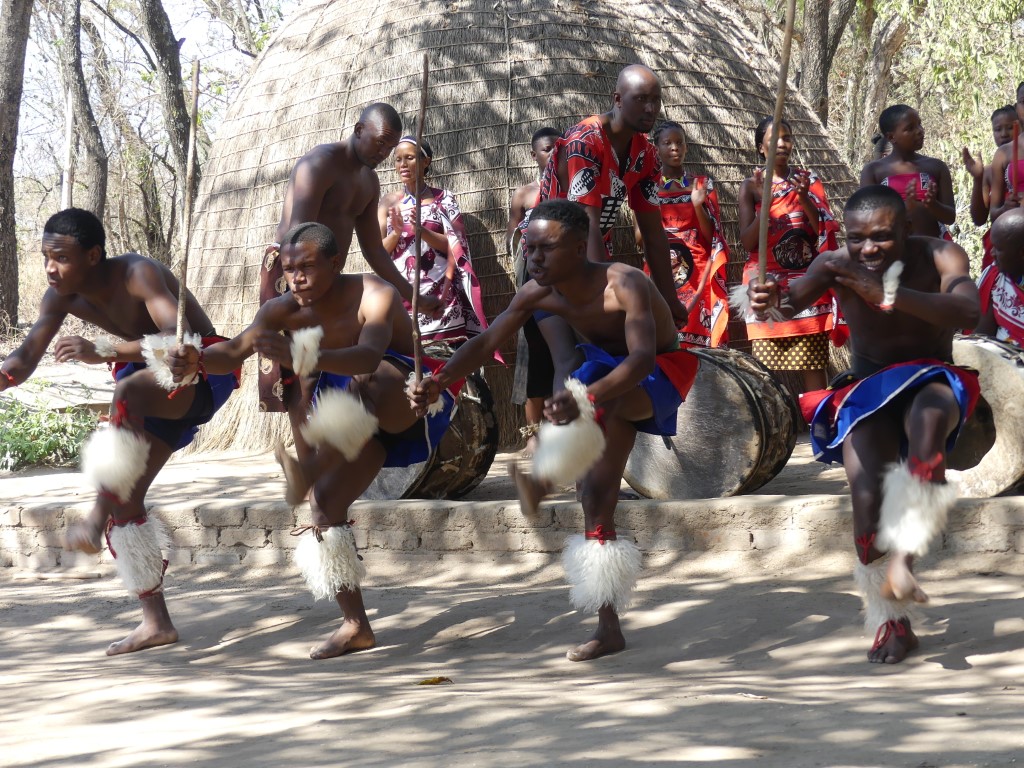
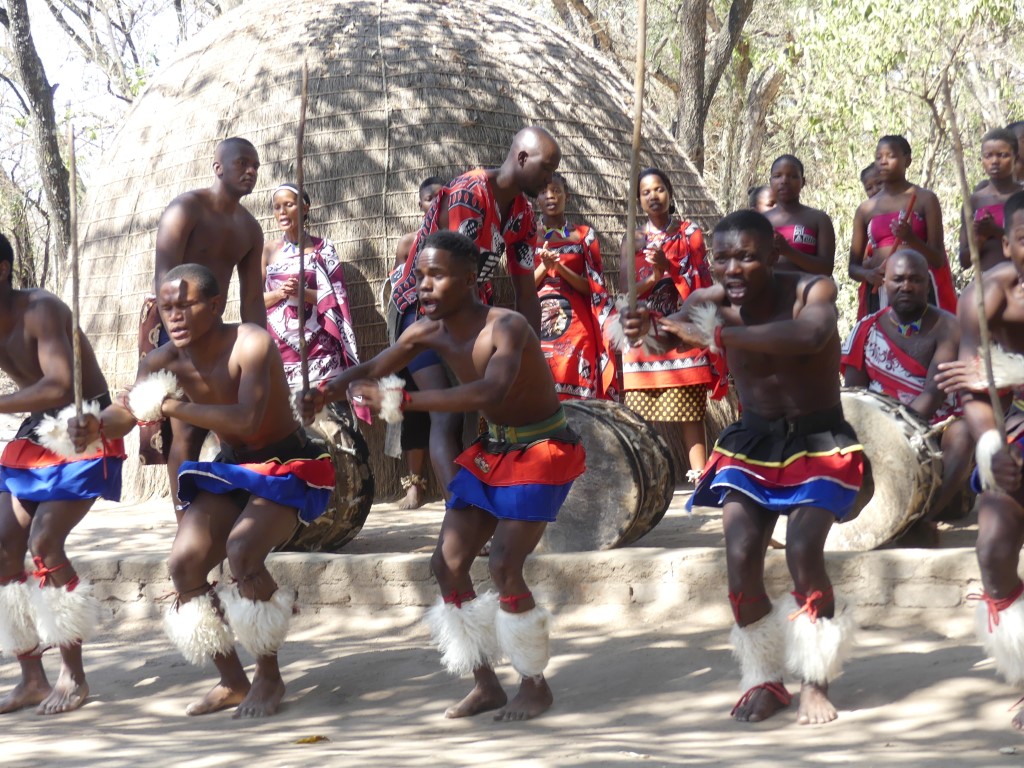
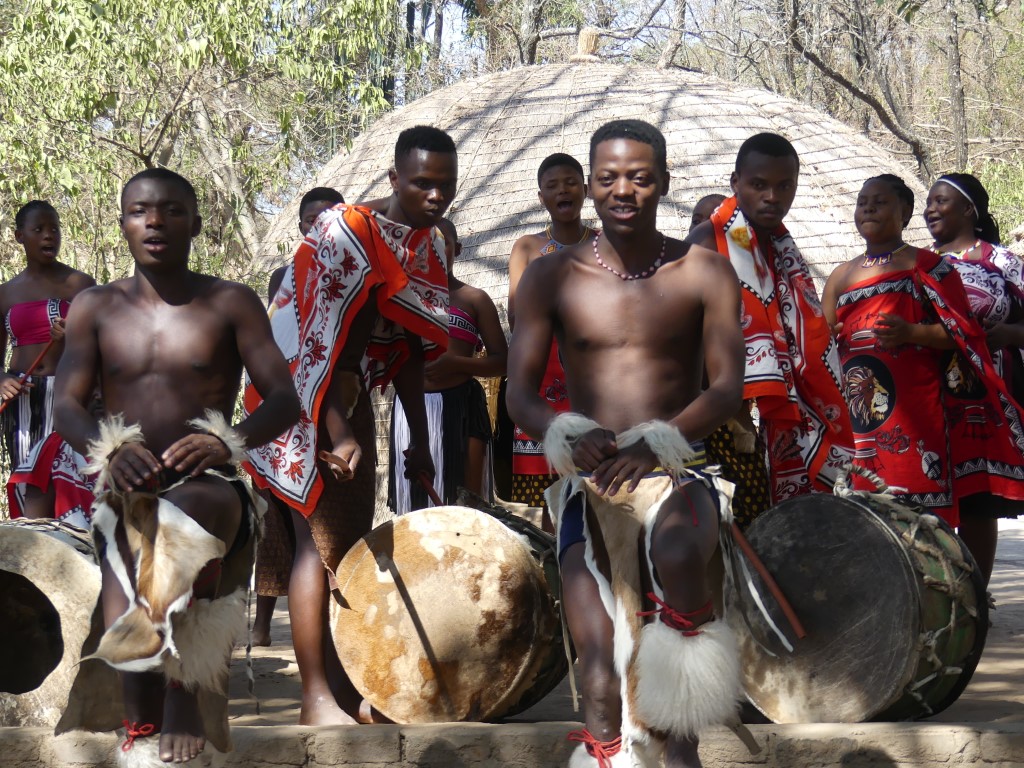
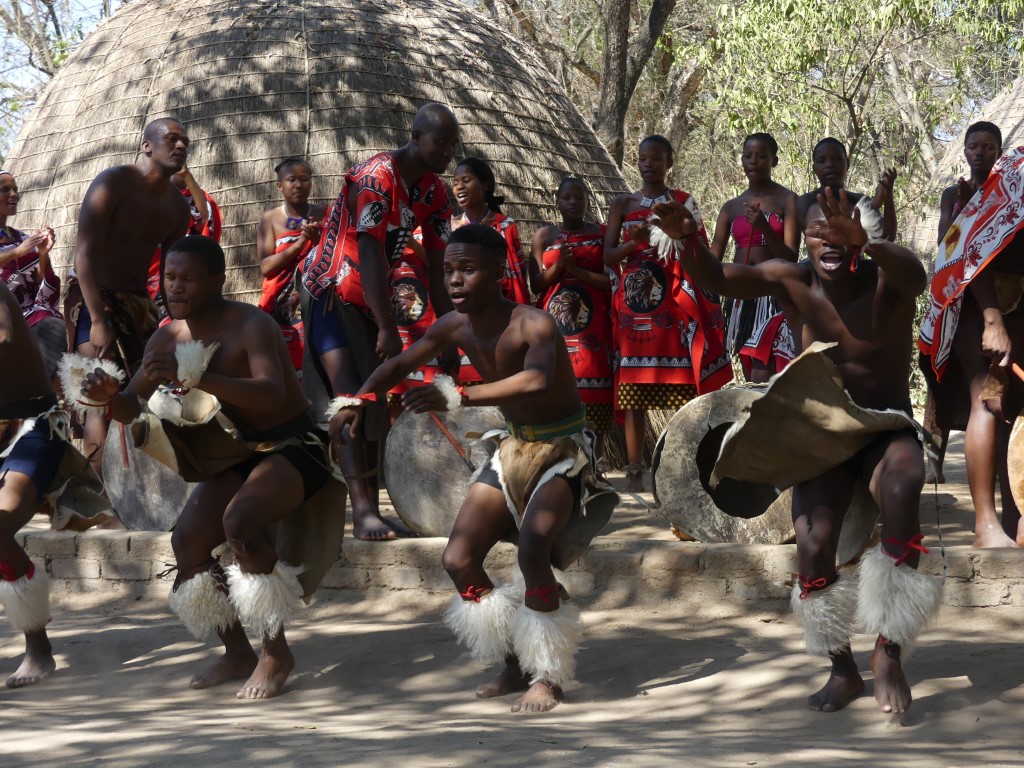
Now that we have learned a bit about tribal life, it is time for the performance. It was fabulous! The dancing was certainly energetic – those people had mastered the high kick! The singing was excellent. Altogether, a fascinating glimpse into what I hoped was the past.

Time to load the bus for the final leg to Kruger. I had no idea that South Africa was as mountainous as it is. We would be climbing to about 6,000 feet – higher than Denver! There are places in South Africa that are much higher. You can even ski in this country😱. Don continued to fill us in on the history of South Africa. He covered the conflicts between the Dutch and the English. I will give a very abbreviated version.
The white settlers here considered themselves the “white tribe of Africa”. They arrived only a couple of hundred years after the bushmen and so have been here nearly as long. The Dutch arrived first and considered themselves as God’s chosen people. In 1820, the British arrived and annexed the eastern Cape by the 1870’s. The Dutch wanted nothing to do with living under British rule and so left the Cape in search of the promised land. They considered this along the lines of an Exodus, like the Jewish people in the Old Testament. They abandoned their farms and migrated to the interior where they settled, calling their settlement Natalia. Life was good until the British annexed that land in 1841. What to do but leave again and head further north. The Orange Free State and Transvaal were created by the Sand River Convention in1852. Again, life was good until gold and diamonds were discovered. Peace was destroyed.
We also learned about King Shaka of the Zulus. He was the illegitimate son of a chief and apparently quite ugly. As well, his manhood was, shall we say, severely lacking. Boys in the Zulu tribe were circumcised at age 14 after a two-week long series of rites. He HATED his father. Shaka was drafted into military service and showed military genius. Prior to Shaka’s time, the Zulus threw spear during combat. Legend has it that Shaka broke a spear, creating a stabbing weapon. He ended up taking over the clan. He had some “unique” habits, such as having 100 men jump off a cliff if he woke up with a headache. During his reign, he had 20,000 of his own people killed. He slaughtered his enemies which is why the Sotho and Swazi fled. Prior to his reign, they had coexisted peacefully. His half-brother Dingane killed him in 1828.
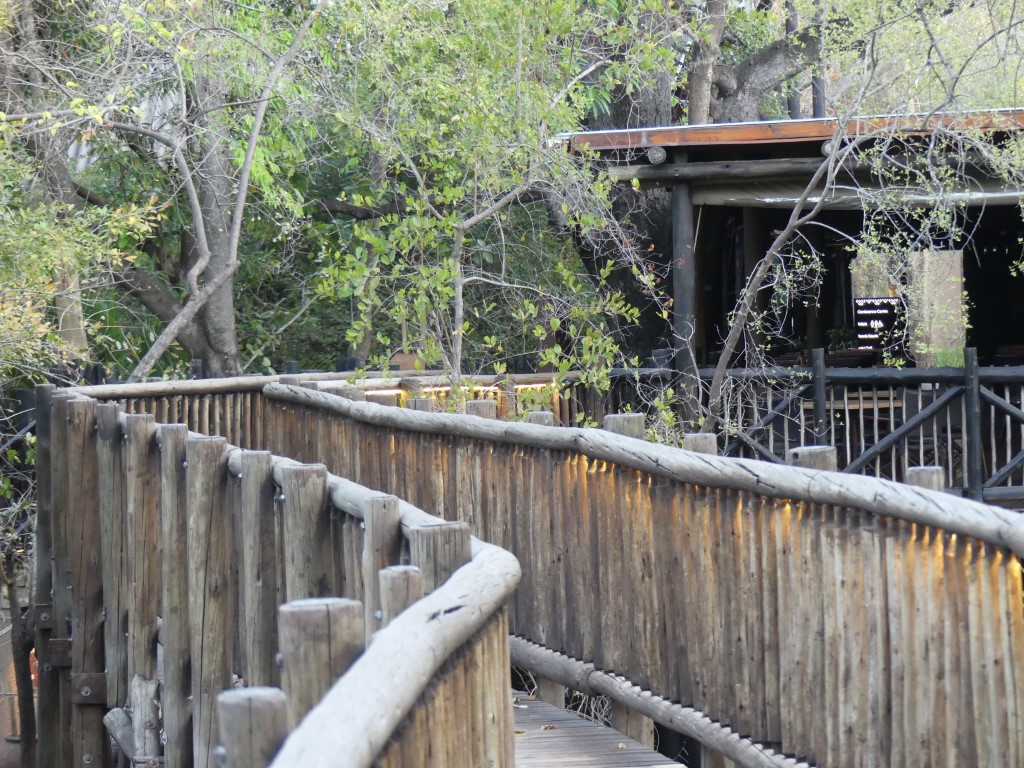
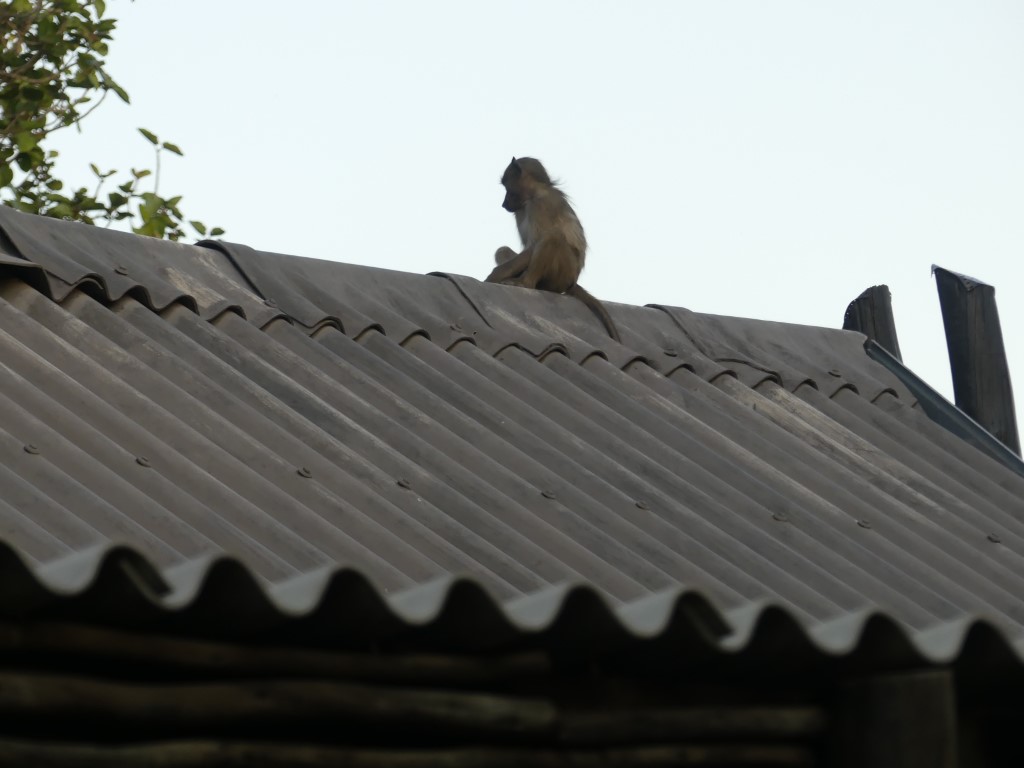
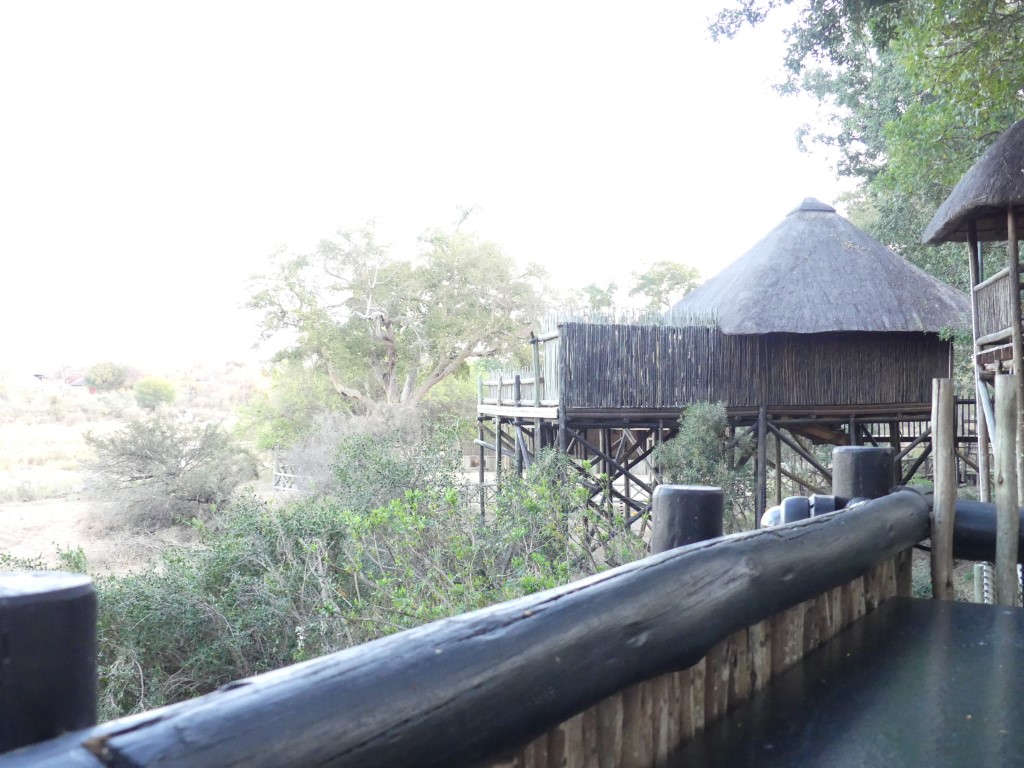
There is much more to the story regarding the Dutch and the Zulu but I shall leave the historical and return to modern day. We arrived at the beautiful Kruger Gate Hotel. It was by far the nicest hotel we stayed at. It is a gorgeous facility and is located just a few minutes away from the entrance to the park. There is a nice bar overlooking the river. Rumor has it that wildlife can be viewed from the bar area. We decided to test that theory so had drinks upon our arrival. There were plenty of monkeys and some impala but that is all we saw that evening. We had a letter in our room with information regarding the hotel, including the fact that snakes sometimes show up on the property. No worries, there is a snake manager to call if that happens😁.


 travelswithheather