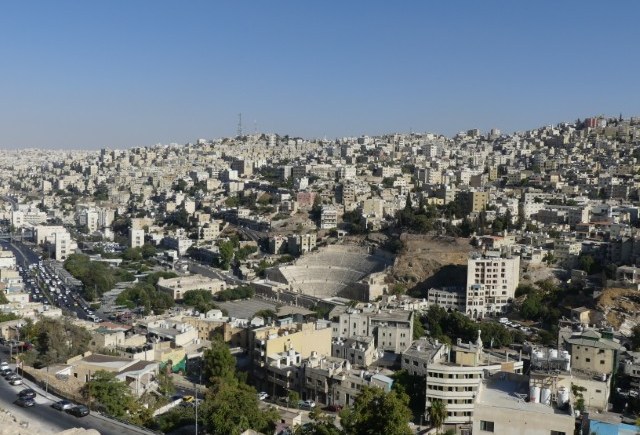
Our final stop on the Jordan portion of our tour was the capital city of Amman. Of the ten million people that live in Jordan, half live in Amman. It is known as the “white city” due to the use of limestone for many of the buildings. It’s kind of like the British city of Bath, but with none of the charm.
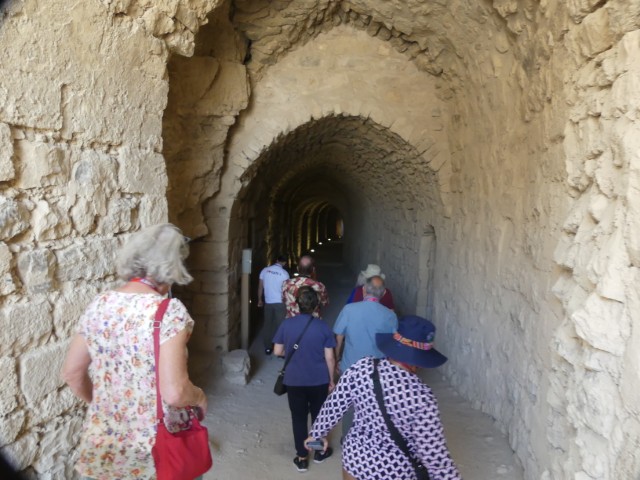
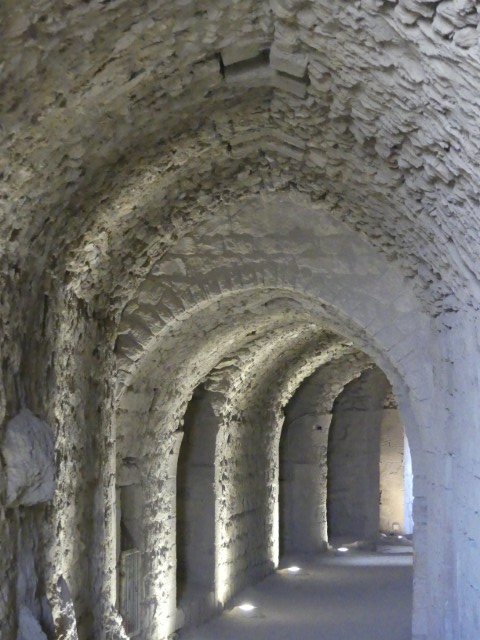
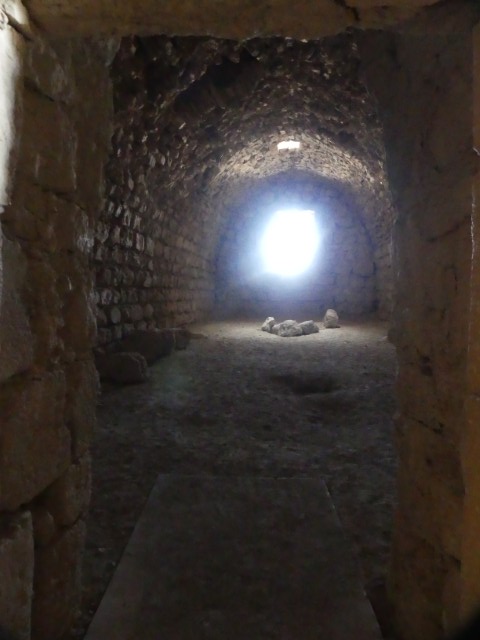
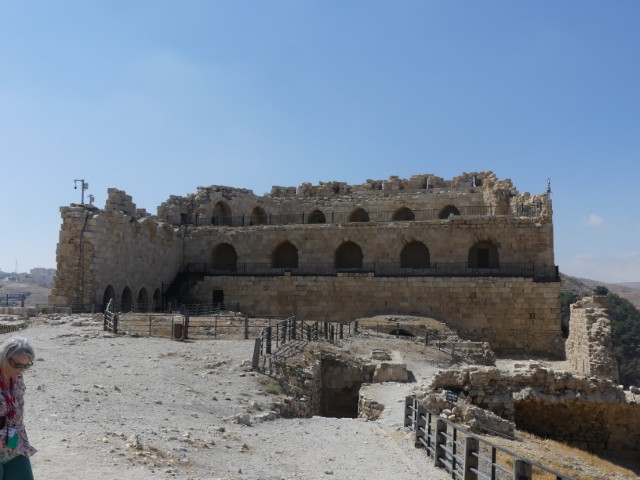
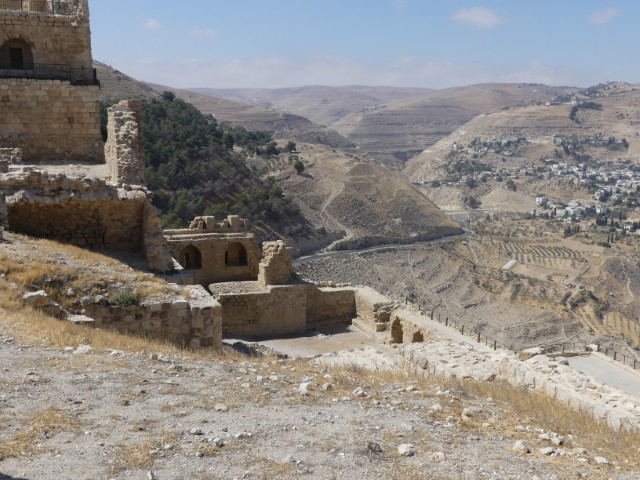
The ride back ended up taking 12 hours with the stops we took along the way. Previously, we had stopped at the ruins of a crusade castle. We would be stopping at another, but this time, we would be able to walk through parts of the castle.
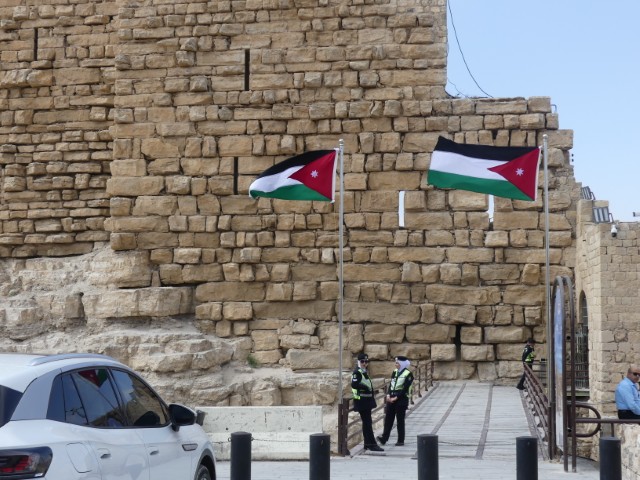
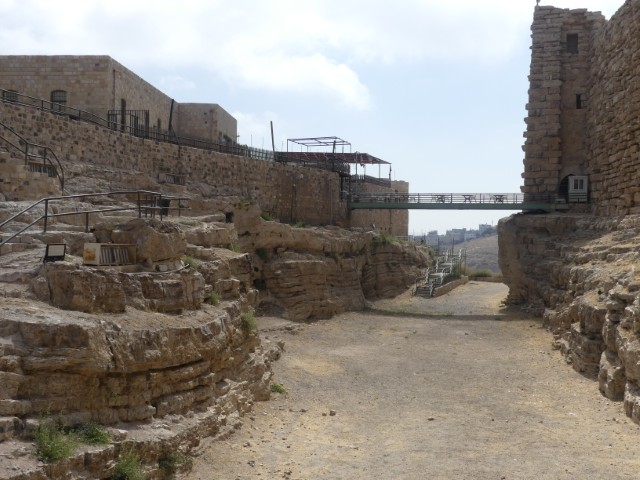
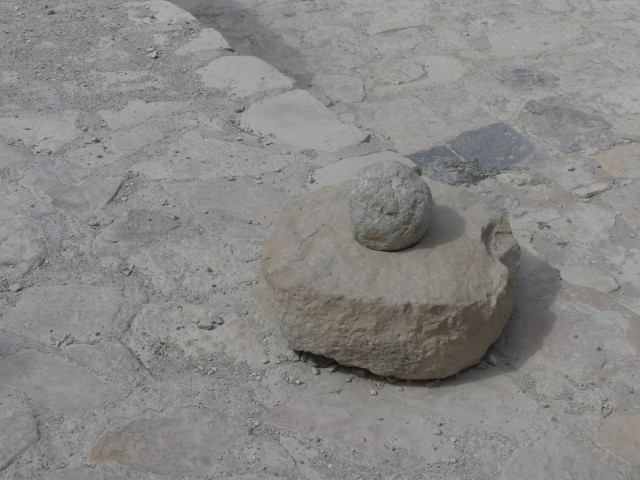
Karka castle was the first castle south of Jerusalem. At the entry, it was noticeable that there were two types of stones used in its construction. The big stones are from before the crusades as the castle existed 400 years previous. It was a temple, then a prison, and then a castle. Its history ranges from 1400 BC to 1100 AD. The smaller stones were from the crusade era. In the original castle, horse stables were located near the entrance but have since been removed. The watchtowers have been destroyed over time, but much of the castle is intact.

As we drove on towards Amman, Waleed talked a bit about life in Jordan. Did you know that Jordan is a very poor Arab country because they have no oil? They import gasoline and the cost if 2 to 3 times as much as it costs in the United States. The average monthly salary is only $800 US. Things are very expensive as virtually everything must be imported.
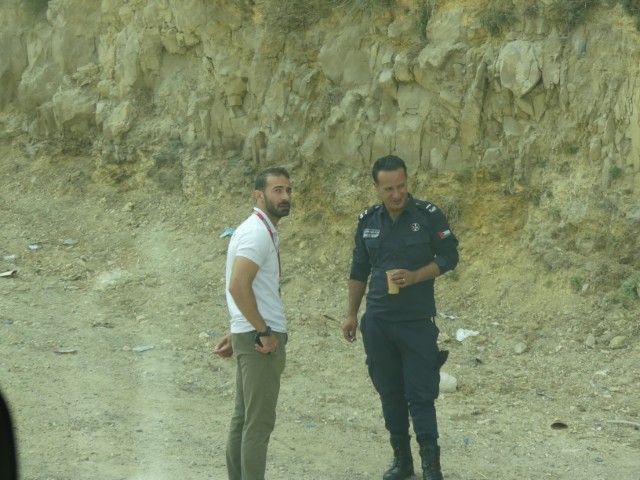
We were accompanied by a police officer for the entire tour. There are tourist police visible at every tourist site as well. Due to its unique location as well as recent world events, the government is taking safety seriously. I will say that we never felt we were in any danger during our visit. The people are very warm and welcoming and if you are into ancient history and/or Biblical history, there are interesting places to visit. Jordan is the second safest country in the Middle East.
There is little public transportation available so owning a car is a necessity. The tax on a new car is 96%!!! If you buy a hybrid, that drops to 65%, and an electric vehicle, only 20%. There is also a 16% sales tax. Waleed told us that alcohol is taxed at 200%, but according to the internet, that is between 50% and 100%. Did you know that only Christian owned businesses can sell alcohol? Petra is an almost completely dry city. The only two places in town to get an alcoholic beverage are the Cave Bar (near the entrance to Petra), and the hotel where we stayed. I know that Clayton paid $12 for a beer at our first hotel, so drinks don’t come cheap, if you can even find them.

Waleed taught us about getting married in Jordan. Dating does not exist in the country. If a man is interested in a woman, he must propose marriage. If her parents accept him, then a dowry in gold jewelry must be paid to the bride. The wedding does not take place until the groom is financially able to pay for the wedding and support his bride. All wedding expenses must be paid by the groom and his family. You might think that this is a Muslim practice, but it is true of all religions in Jordan. Of course, in our modern age, there are exceptions to the practice, but this is the tradition.
The Bedouin way of life is slowly dying out. Only three to four percent of the population is Bedouin and it is estimated that the nomadic lifestyle they practice will be gone in five to ten years.
Public education starts at kindergarten and is compulsory until tenth grade. Around 90% of Jordanians go on to get a university education, though there are more women enrolled than men due to 2 years of compulsory military service for all 18-year-old males. Families that can afford it send their children to private schools. Public school classes can have up to 40 students; private average 12-13. Free health care exists, even in remote villages. Again, those that can afford private health insurance purchase it as they receive higher standard of care.
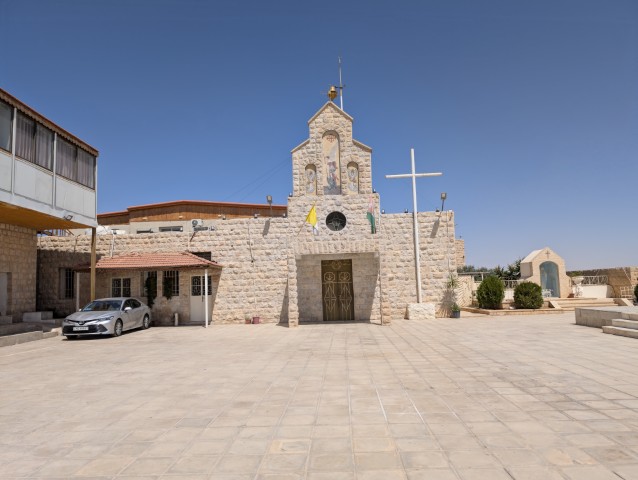
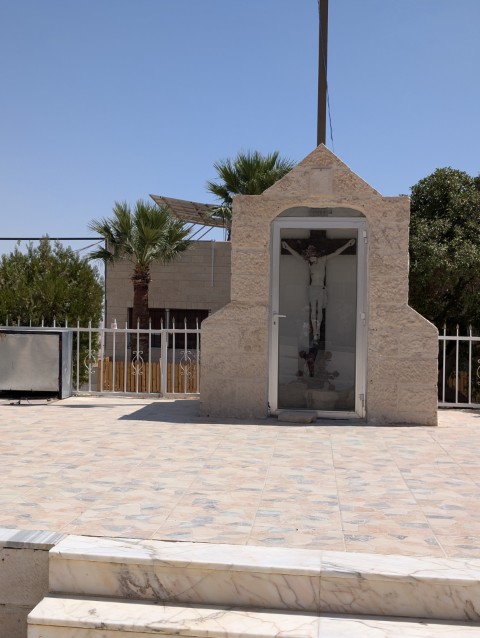
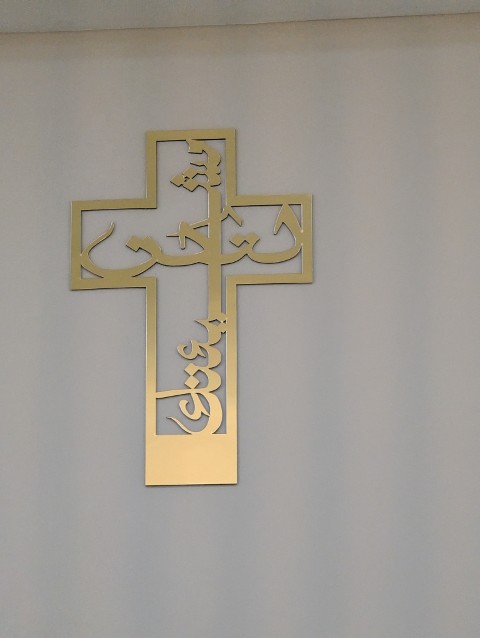
Gate 1 has a foundation that supports local interests in the countries where they provide tours. We were to visit a Catholic school where Gate 1 built a basketball court that is also used by the local community as a multi-purpose room. Since it was a Sunday, there were no students there. Interestingly, both Muslim and Christian students attend. Because of this, the school is closed on Friday because of the Muslim students, and on Sunday because of the Christian students. Friday/Saturday is the normal weekend in Jordan, so most schools run from Sunday to Thursday.
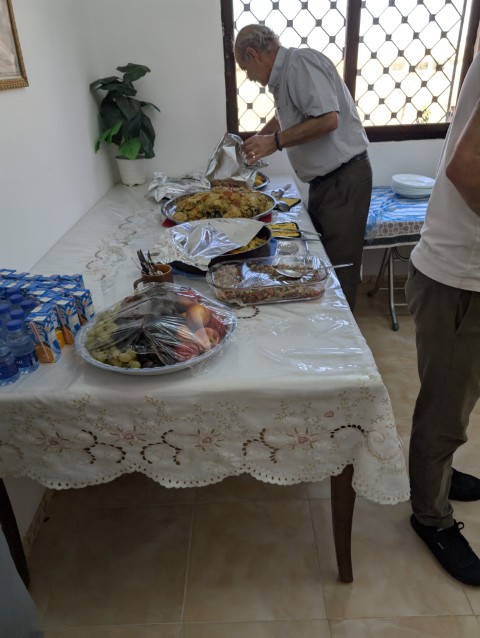
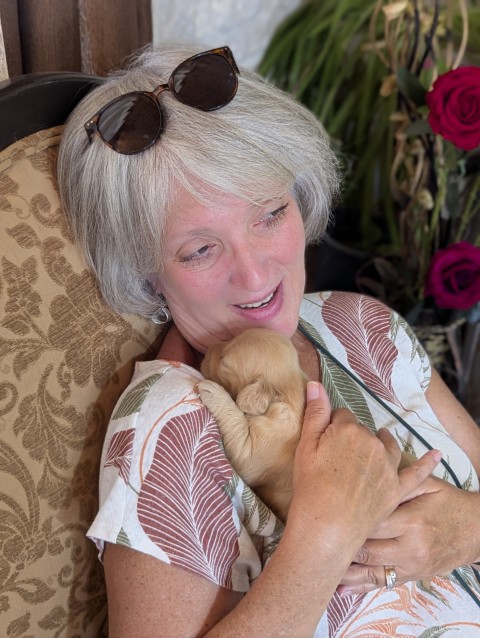
Lunch was served at a local’s home. The family provided a sumptuous feast, including “upside down”, a traditional Jordanian dish that is created by layering chicken, vegetables, and rice, then cooking it. When it is done, the dish is flipped “upside down” so the chicken ends up on top. The best part of the luncheon was when the grandchildren brought out the family’s one-month old puppies! So adorable.


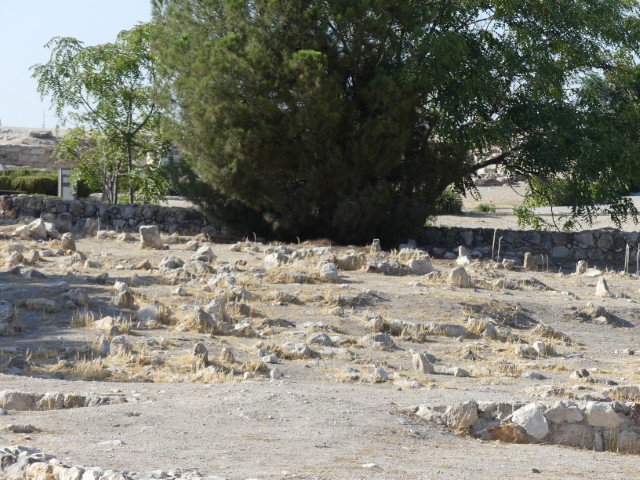
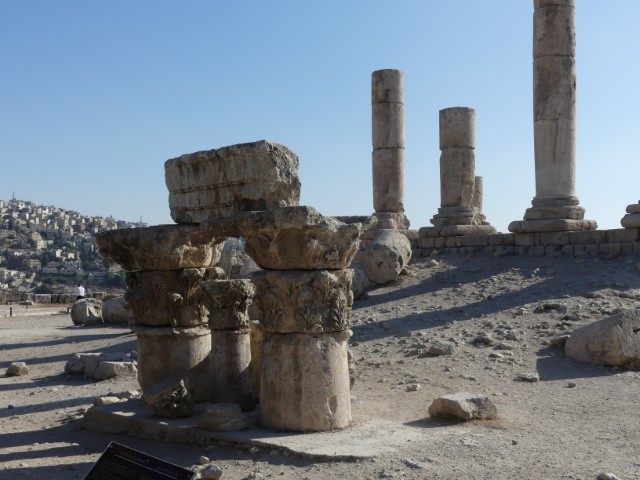
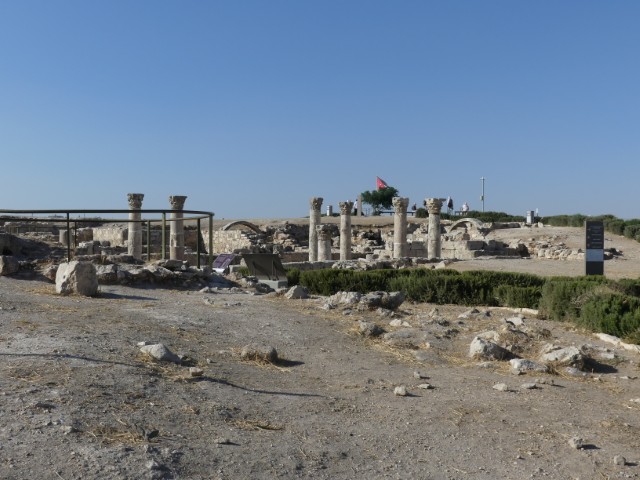
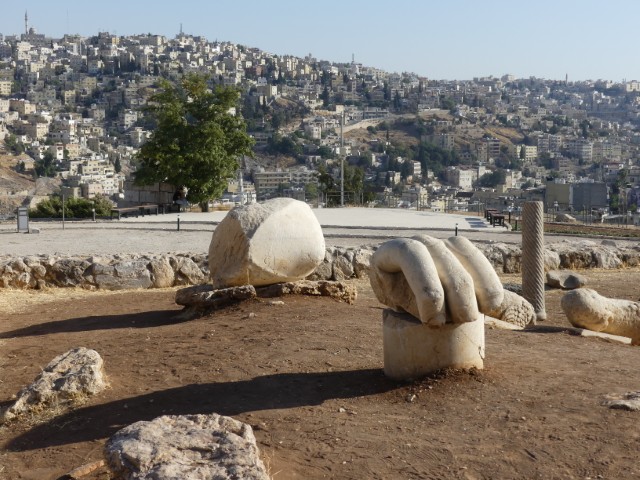
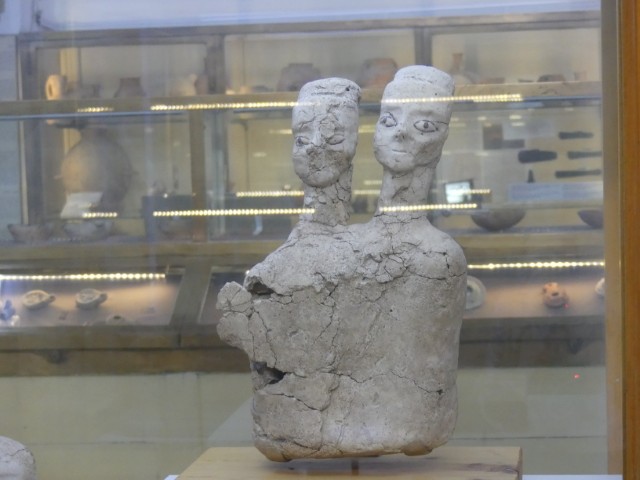
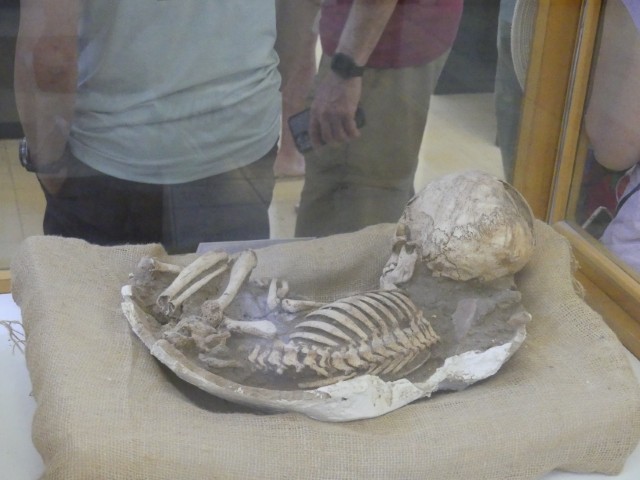
We finally reached Amman at 3:30 in the afternoon, just as rush hour was starting. We sat in traffic for quite a while before reaching the Citadel. Amman has 7 hills, like Rome. The Citadel sits on one hill and you can see the remaining six from there. We learned about the three types of ruins found there (Roman, Byzantine, and Ottoman), and had time to look through the museum.
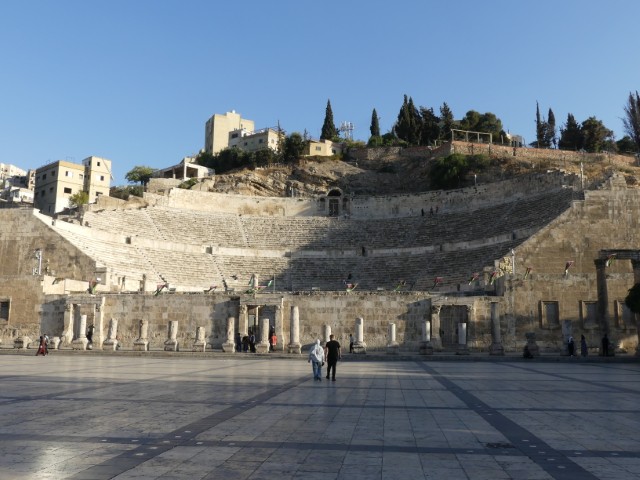
Next up was the amphitheater, which is called the Roman Amphitheater but actually has more features of a Greek Amphitheater.
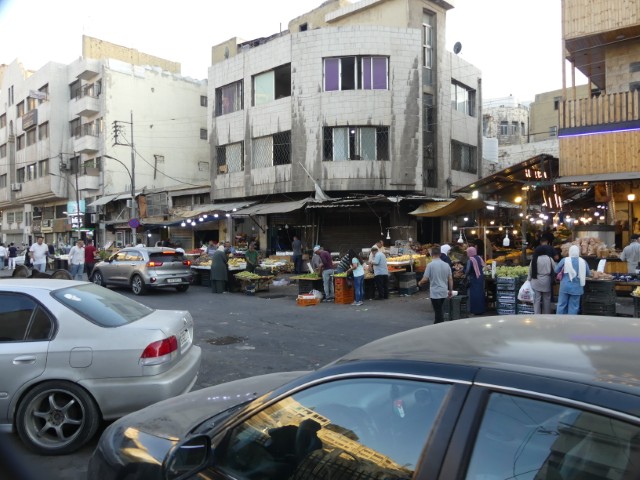
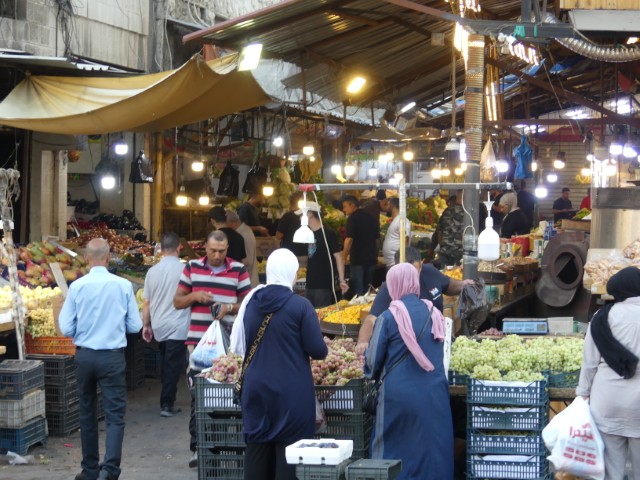
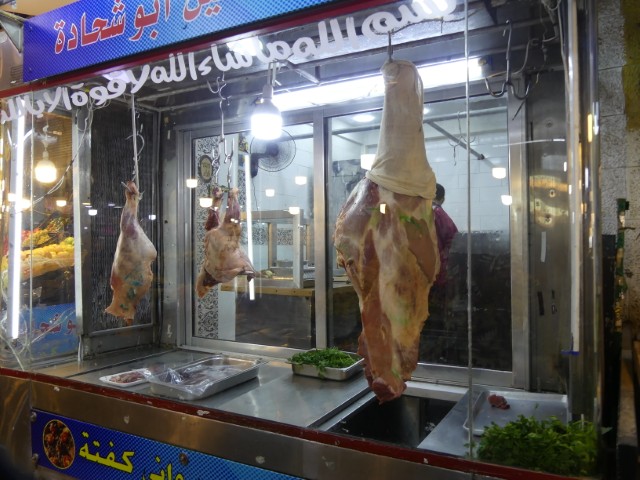
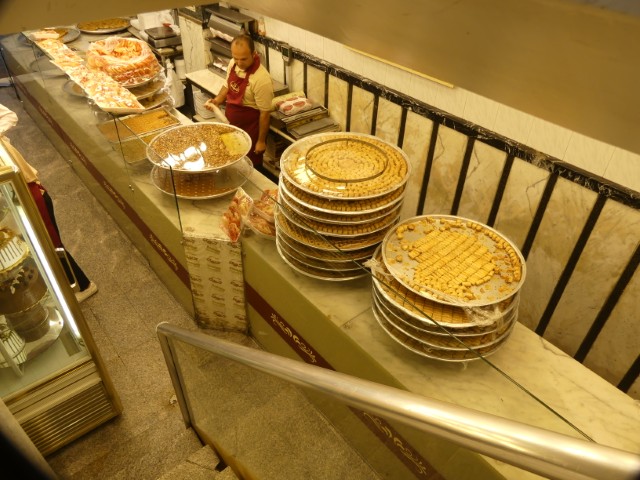
We quickly walked through a souk (market) where spices, fruits, and vegetables were sold. One complaint I have about being on a tour like this is that we are typically walked quickly through markets and given no time to look around or enjoy them. We finished our tour by stopping for a dessert at a local shop. I can’t remember what it was called but had melted feta cheese topped with a slice of phyllo dough with honey and ground pistachio on top. Life is short, so eat dessert first, right? By now it was after 7 pm and we had not reached our hotel, nor had the opportunity to eat dinner. At least the dessert tided us over until we could eat. We finally reached our hotel (Amman Sheraton, which was lovely) and were able to get dinner and collapse. The next day was an early start because we would be flying to Cairo.

 travelswithheather