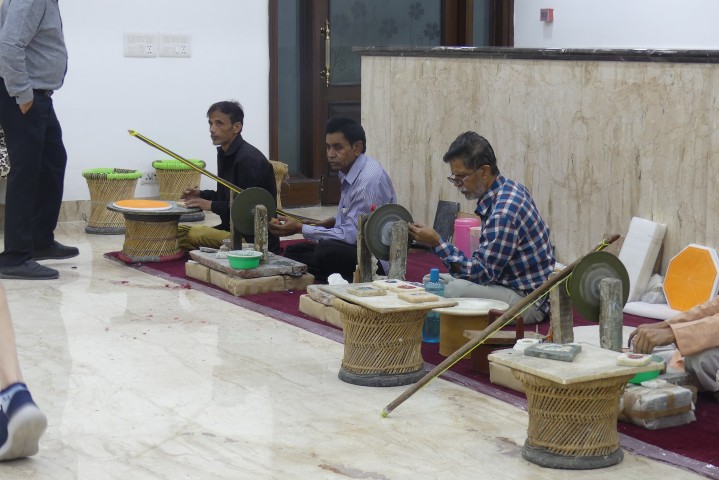
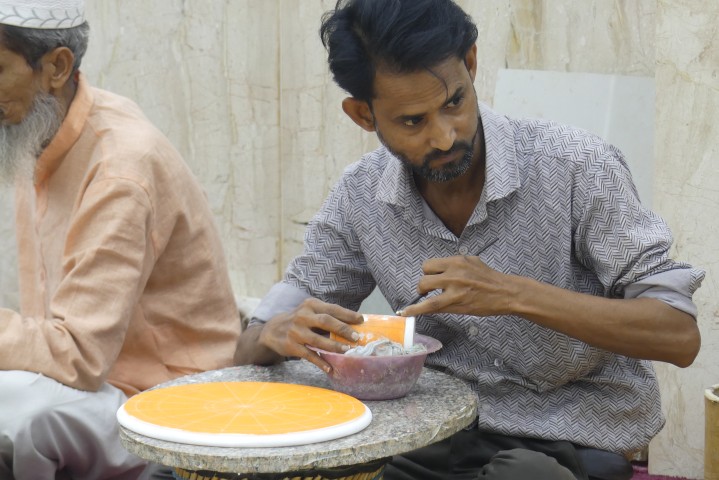
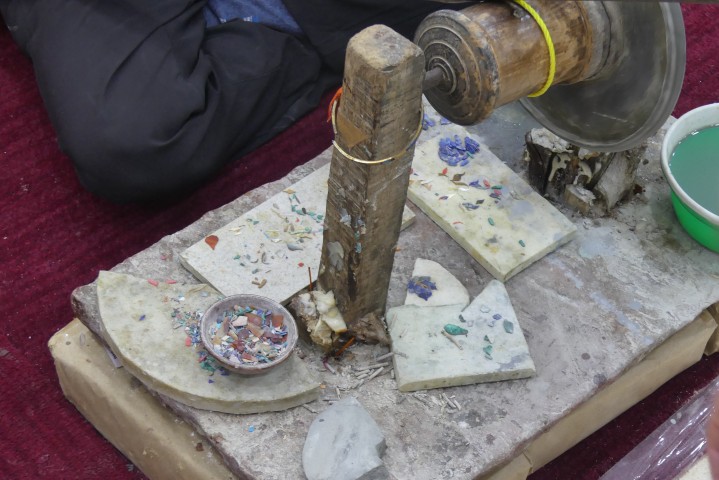
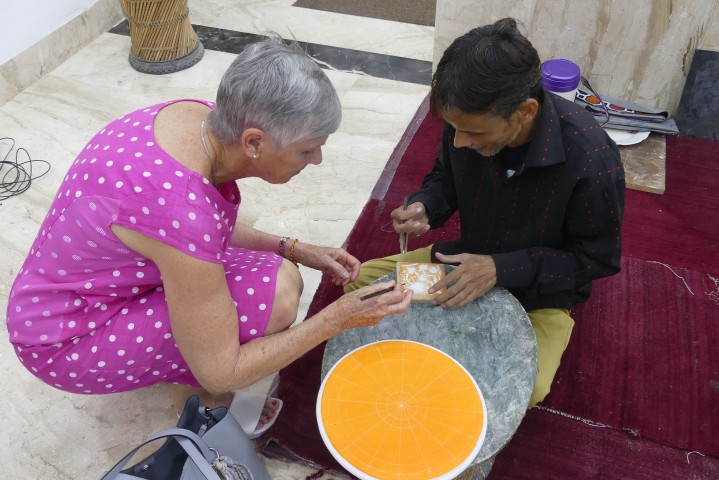
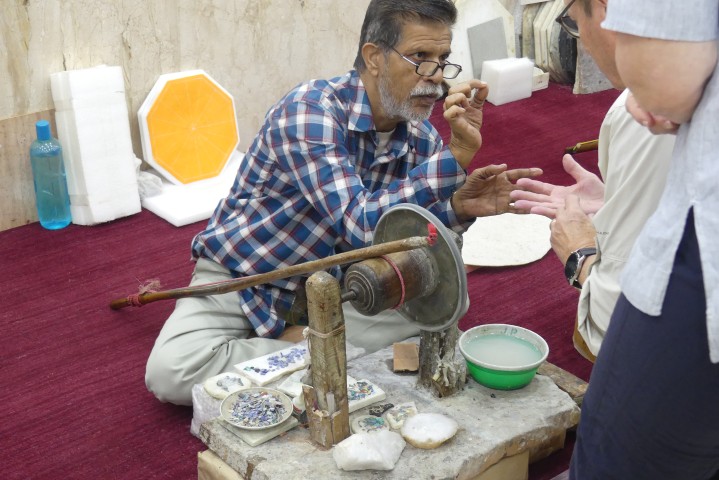
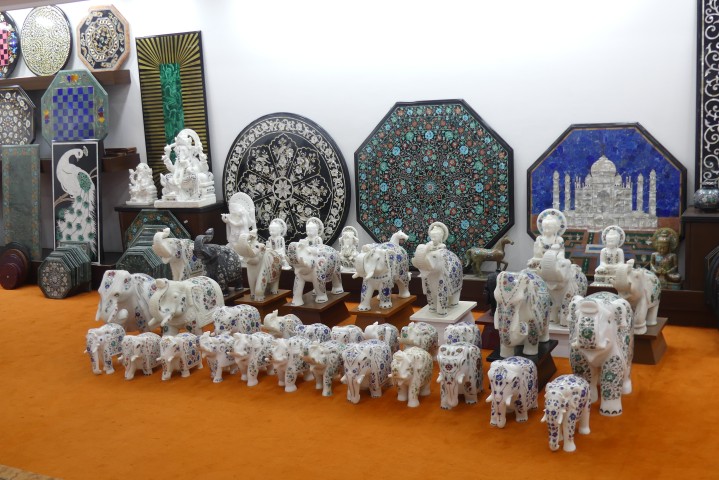
It was a long drive from Agra to Ranthambore. Our day began by visiting the inlaid marble shop that we skipped yesterday afternoon. The artisans working on the marble were from a 3-generation family that has done this work. It is very time consuming and the younger generation has no interest in learning it (low pay, long hours) and so it is a dying art form.

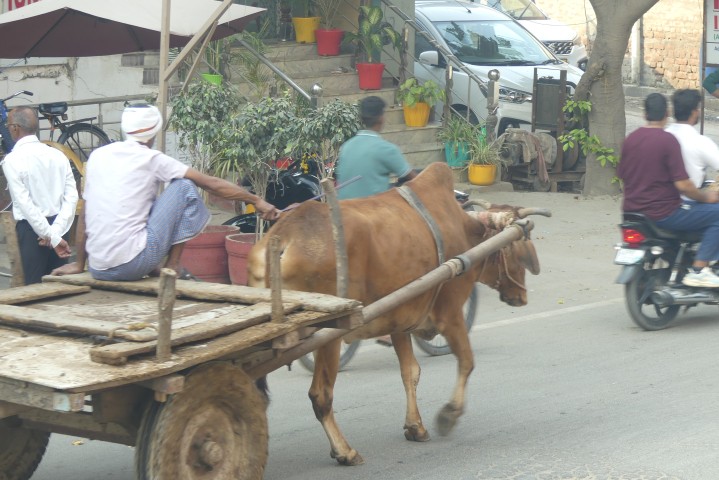
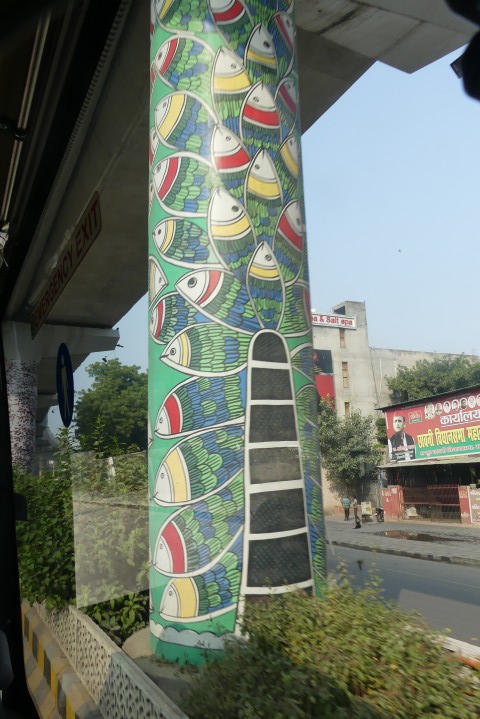
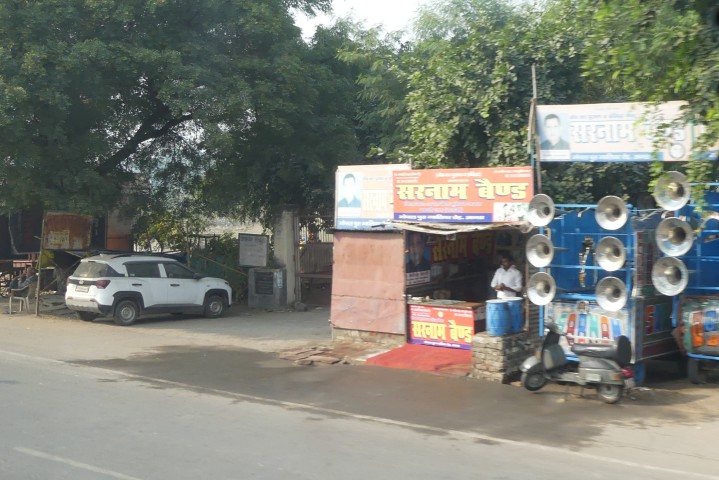
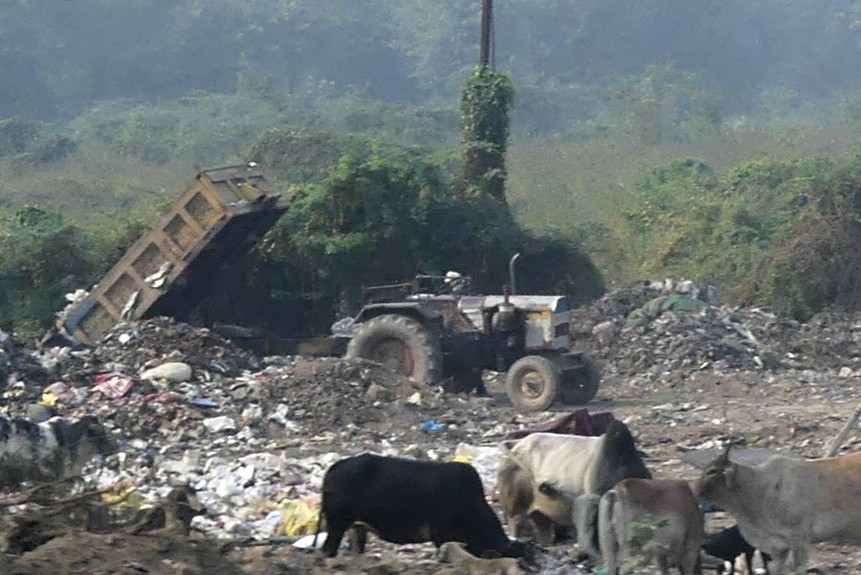
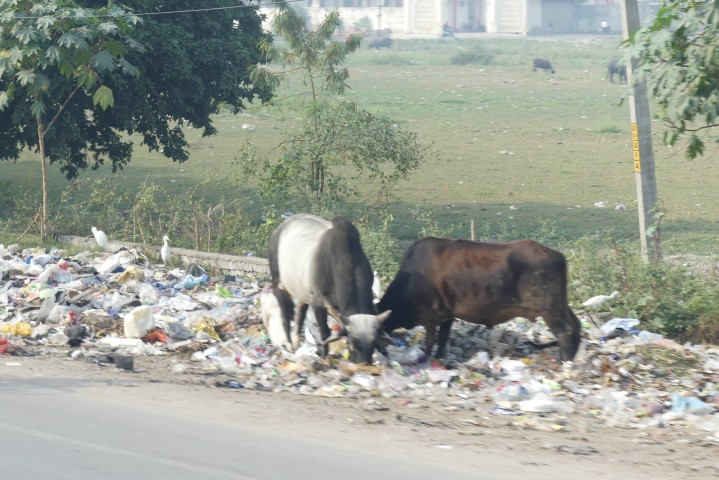
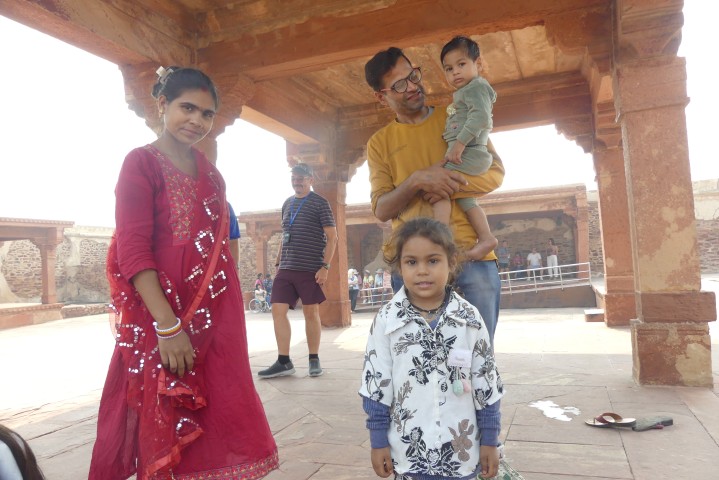
I took a few photos of things that interested me along the way to lunch. Half the fun of India is seeing the variety of things going on outside the bus!
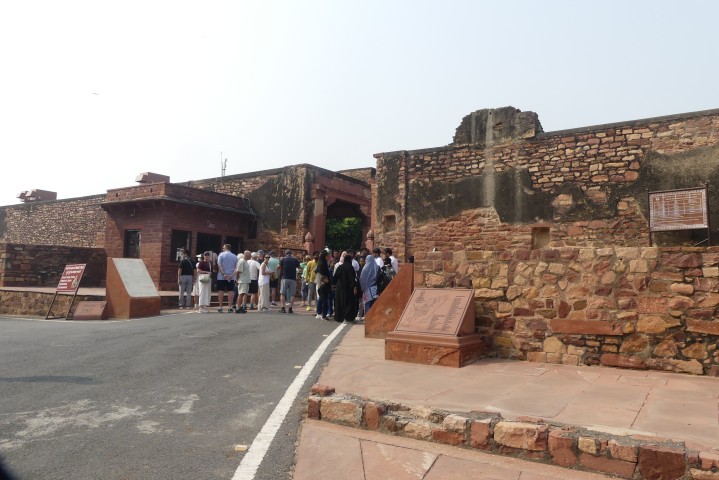
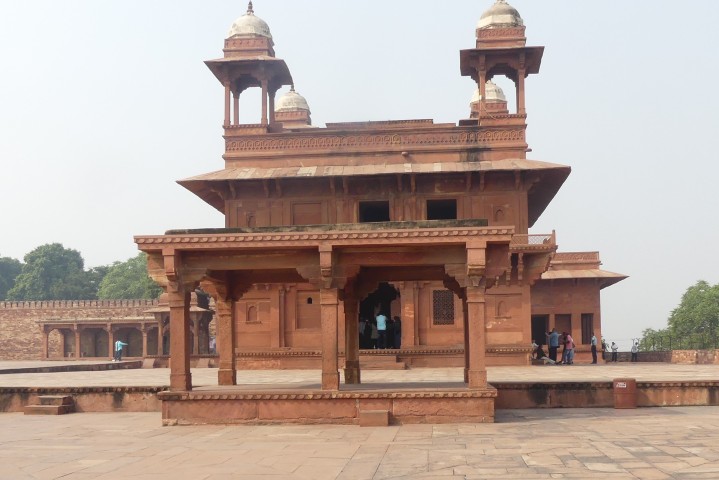
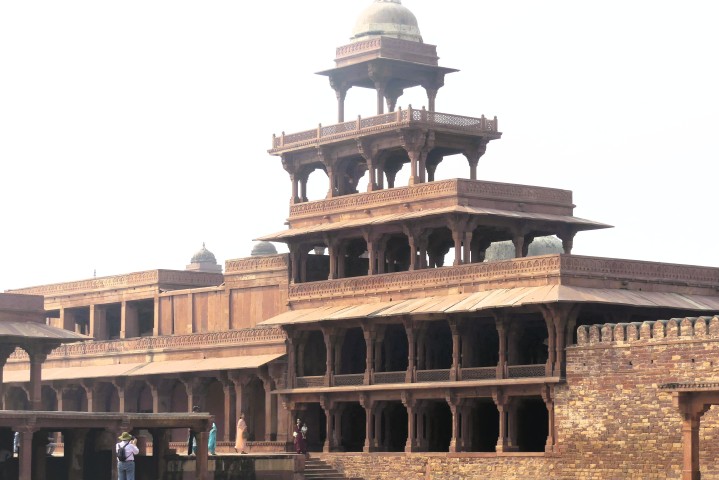
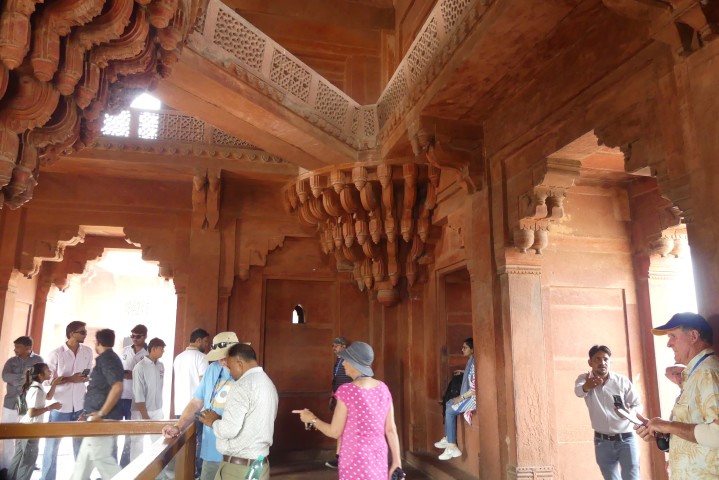
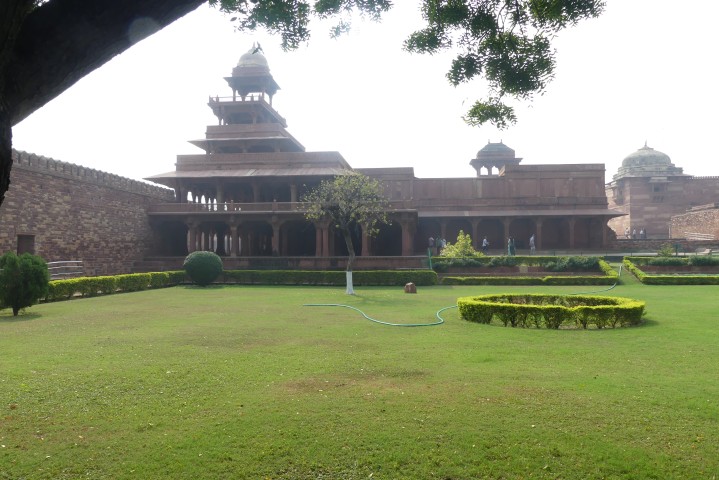
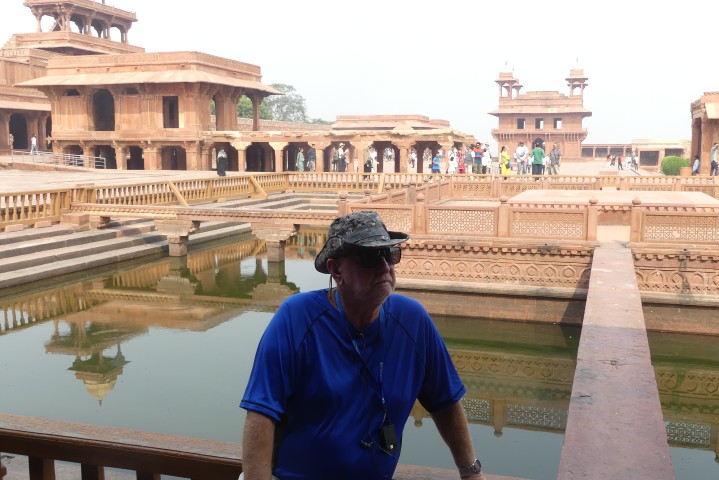
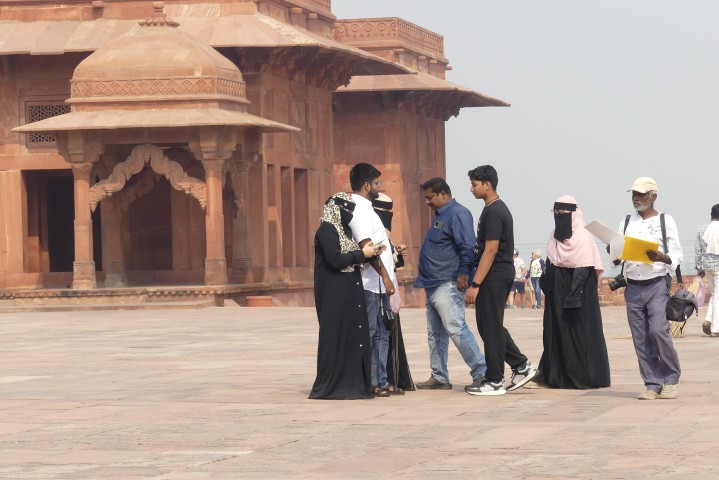
We stopped at Fatehpur Sikri, a red sandstone city that was built and then abandoned after only being used for twelve years. Apparently, the Moghul emperor was unable to conceive a son, and a dervish he met here gave him the secret that allowed one of his wives to conceive. Apparently, all of his wives kept having miscarriages. The secret? Isolate the pregnant wife from the rest of the harem. Why? Because the other wives were poisoning the pregnant ones, keeping them from bringing a child to term. Anyhow, when it was discovered that there was not enough water in this location, it was abandoned and the capital moved back to Agra.
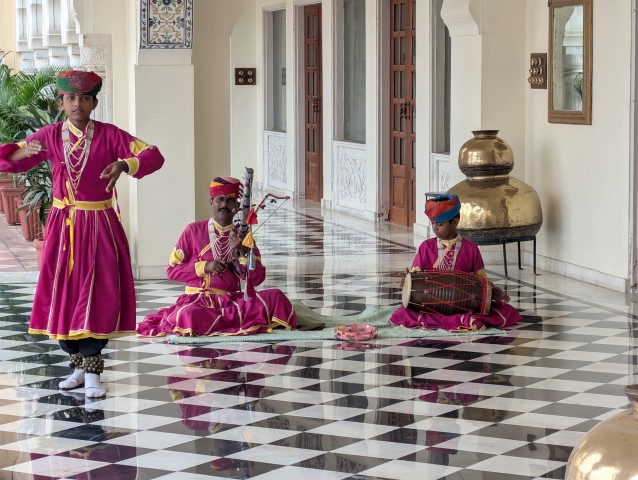
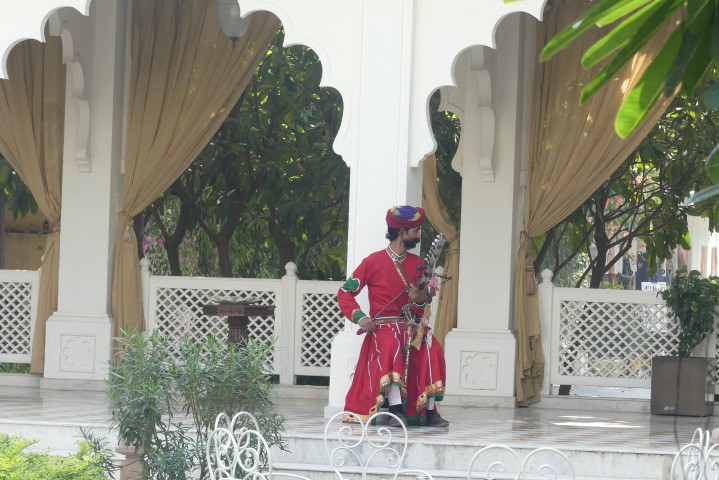
We stopped at a lovely place for lunch and were entertained by this young man dancing:
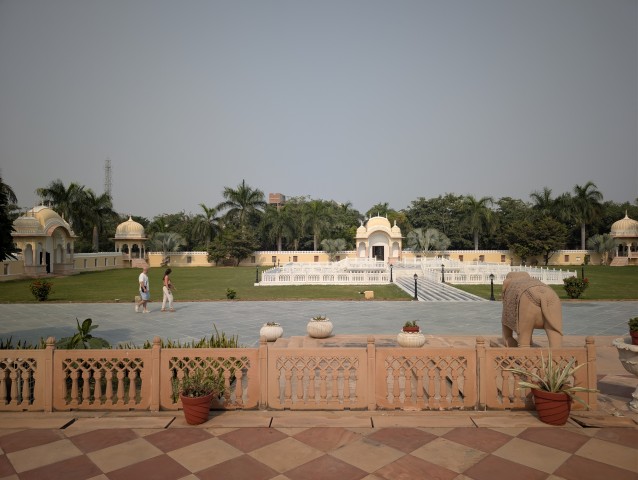
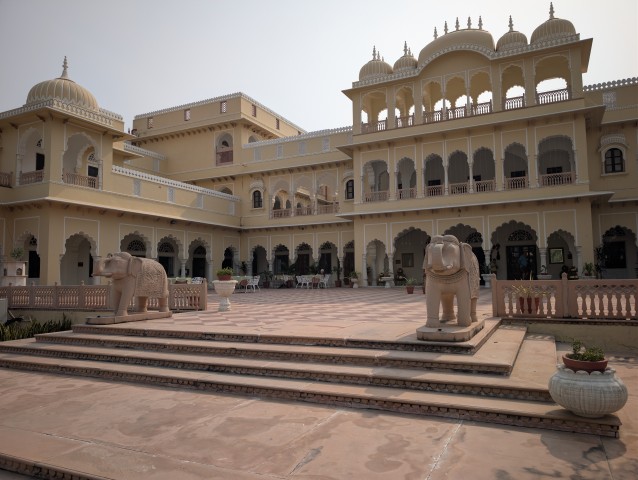
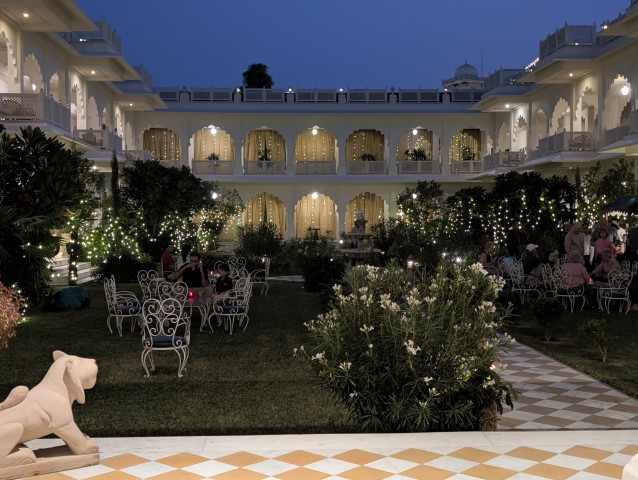
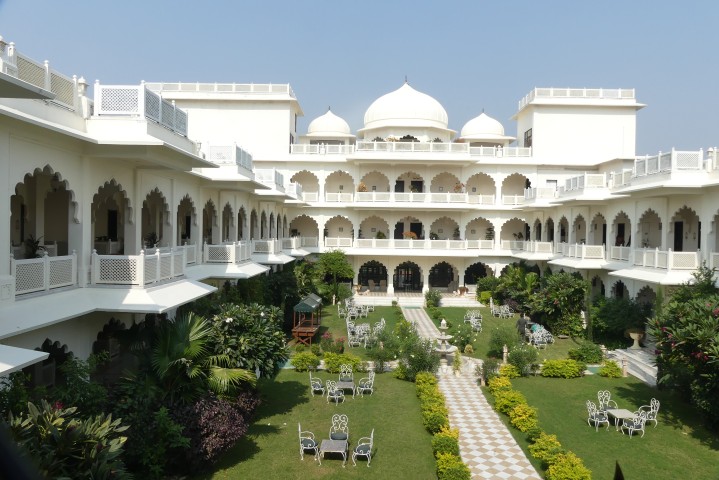
We finally arrived in Ranthambore for a late dinner.
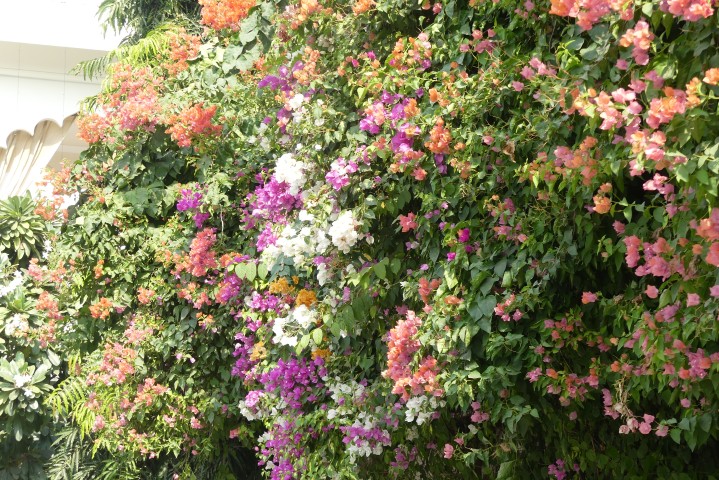
Ranthambore National Park
We had a lovely morning with no activities; it was much needed. A naturalist came to give us a lecture on the park, and more specifically, Bengal tigers.
We learned that the park is divided in ten sectors, with only 20% open daily. We would be assigned to one of the sectors on our afternoon safari, and a different sector the following morning. Only 220 canters (open-topped jeeps that seats twenty) are allowed in the park at once. Of the big cats, there are tigers and leopards, but there are many other animals as well.
The park was used by royalty to hunt tigers prior to 1961. There are only 70 or so tigers here now (down from thousands), each having unique facial and tail markings. Prior to the hunting ban, there were only fifteen. Tigers kill twice a week and are the apex predator in the park. They feast on spotted deer, sambar deer (the largest in Asia), blue bull (nilgai – the largest antelope in Asia), and any other animal they meet! There is no fixed mating time – one week is typical for procreation; they share food only during this time. Apparently, their copulation is quite loud! The babies stay with the mother for one and a half to two years before striking out on their own. The cubs don’t always reach adulthood; they are hunted by other animals and sometimes by the father tiger if they are getting in the way of copulating with the mother tiger.
March to June is the best time of year to sight tigers; they hang out at watering holes.
Leopards are the second biggest cat in the park (there are 170) and prefer to kill spotted deer since they are easy to take down.
There are many types of birds in the park as well.
One thing worth noting about Ranthambore – cell phones are not allowed and so if you want to take photos, you need to bring a camera.
Since our group had 36 members, we needed two canters to fit everyone. We were told to bring our passports. There is a highly regulated process for visitors to the park. Lists are created months in advance and must be strictly adhered to. We started the bumpy ride to the park entrance.
Today seemed to be a very busy day getting into the park. We sat in our canters, unable to move forward, for quite some time. Due to the large number of visitors, our passports were never checked, which was a good thing. I can’t imagine how long it would take to process everyone if they did!
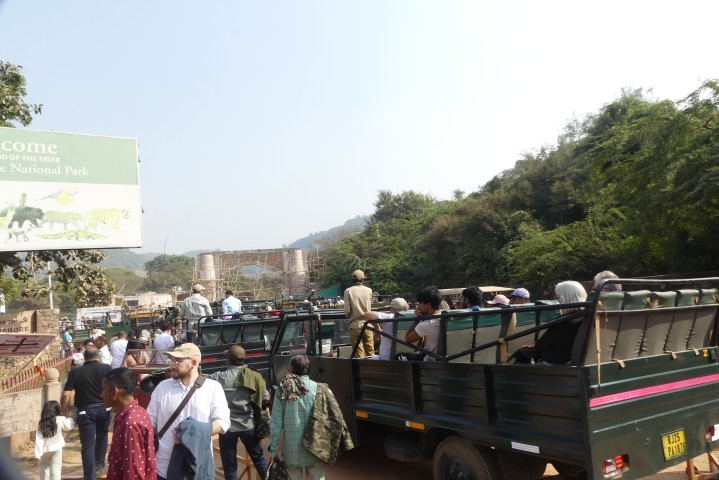
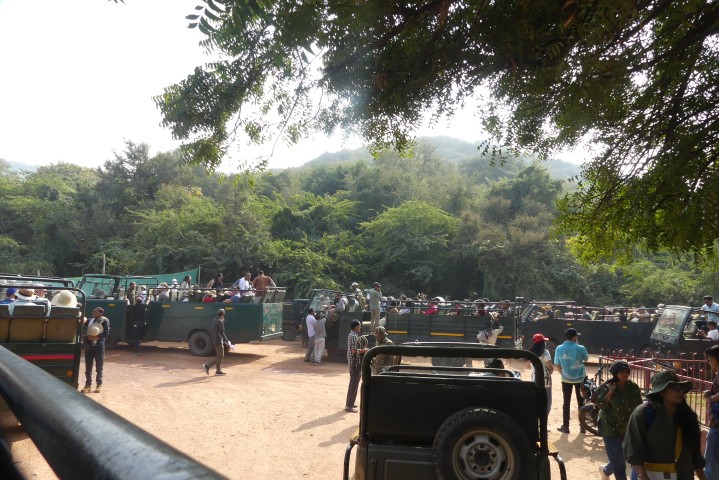
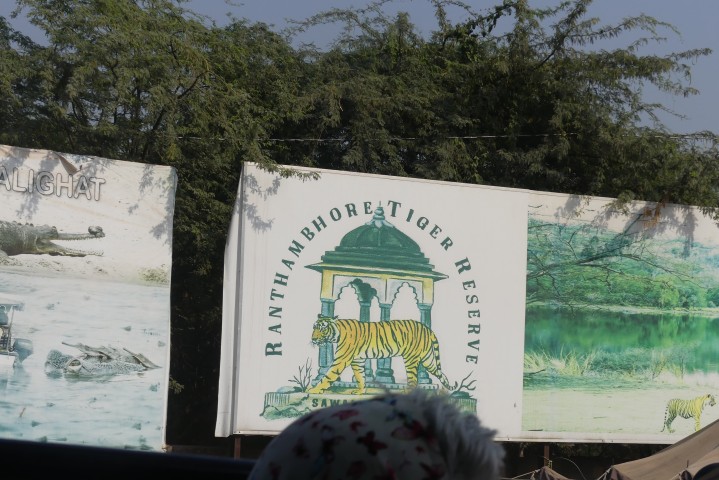
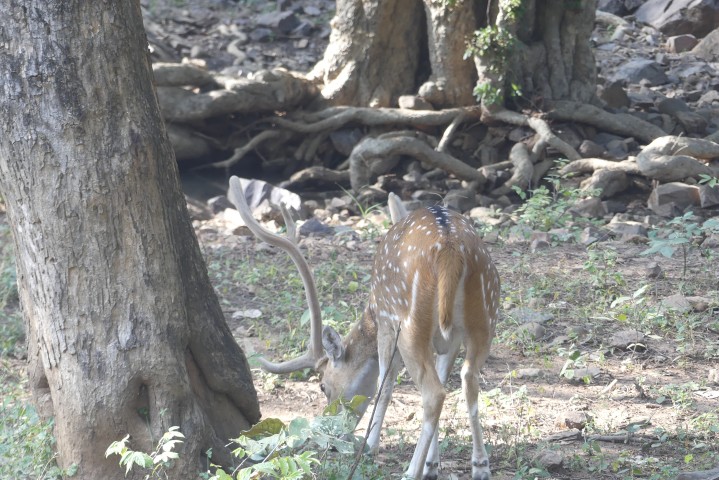
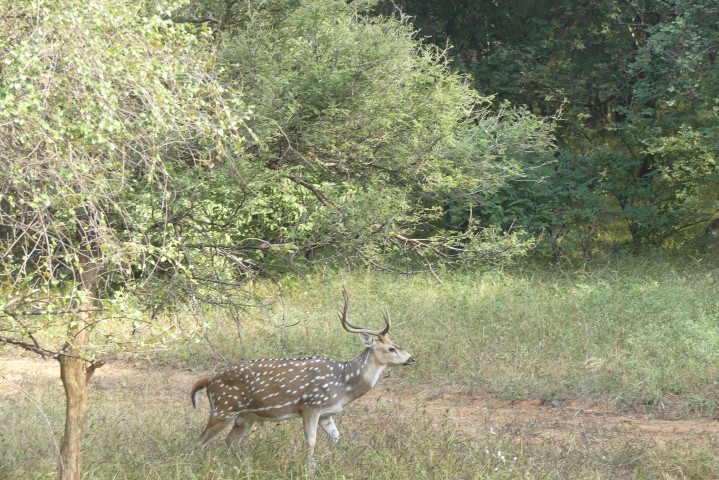
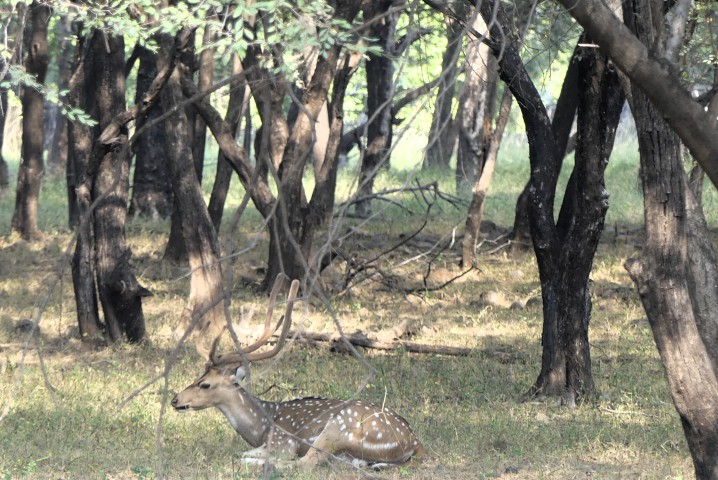
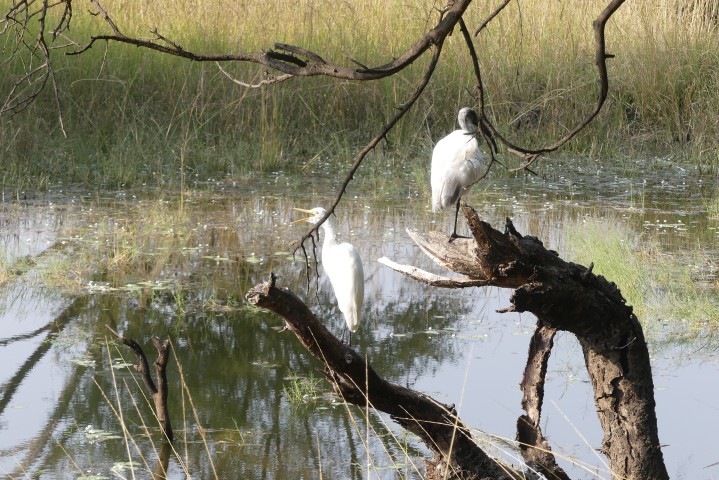
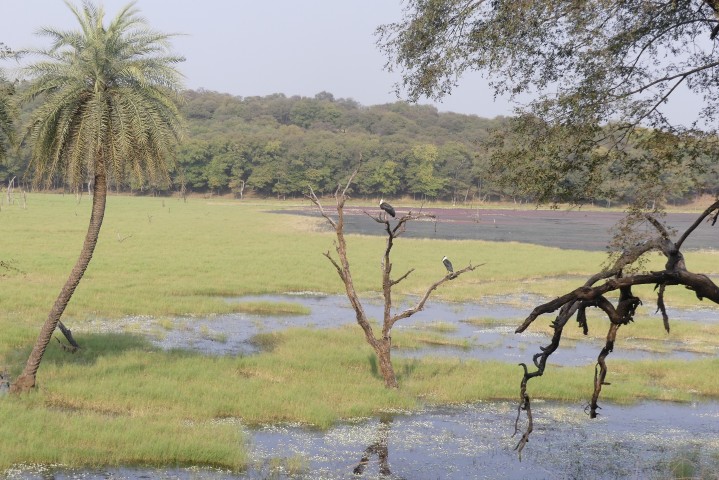
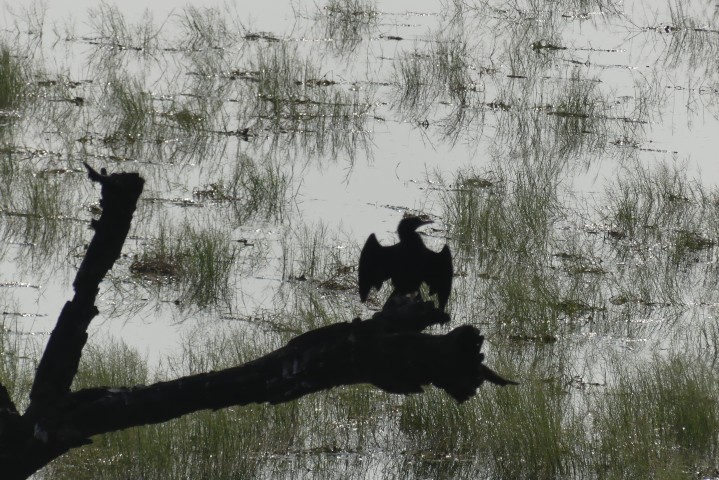
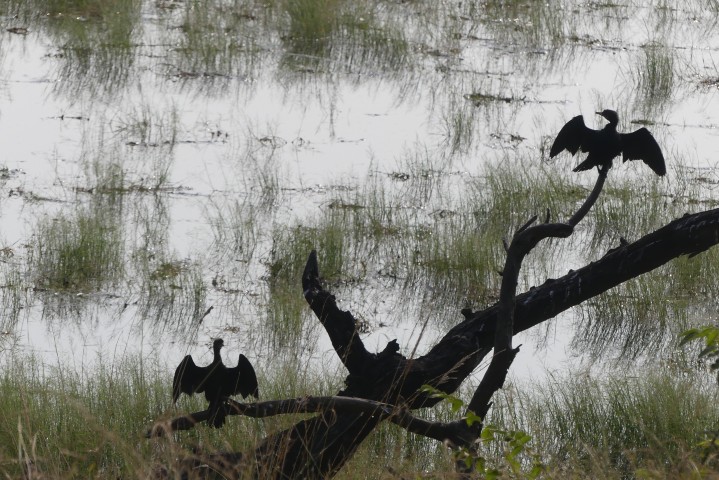
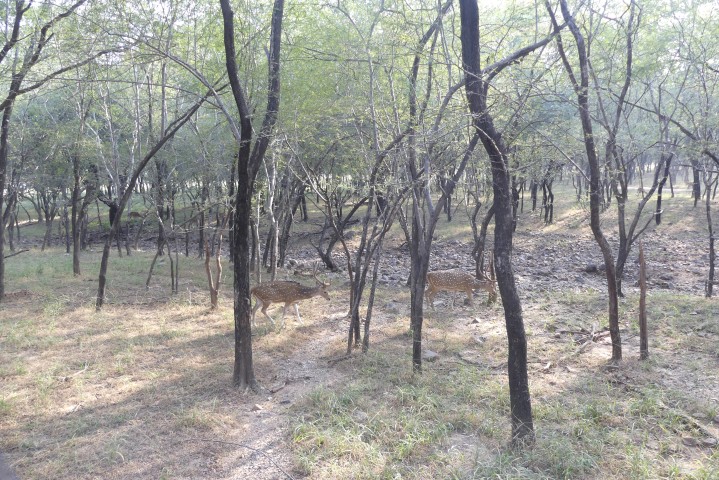
The rest of the afternoon was spent spotting animals. We saw many, many deer (both spotted and the larger sambar. There were many birds as well. We briefly spotted a warthog as it ran through the woods. But the big excitement for the group was spotting tigers.
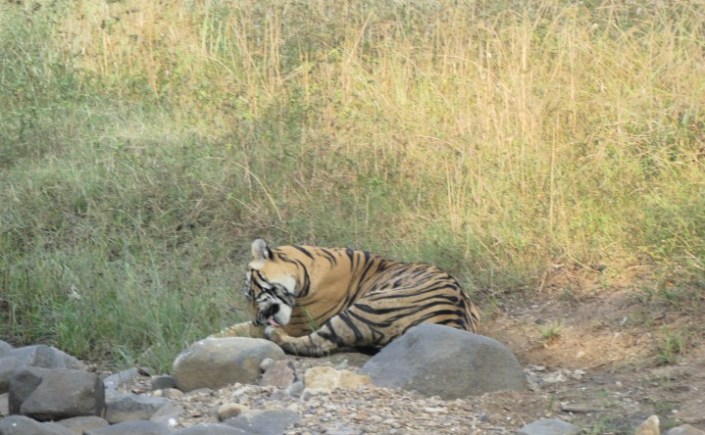
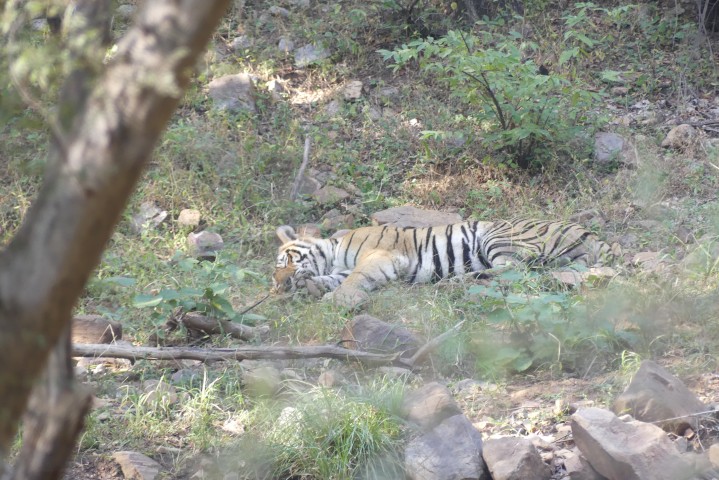
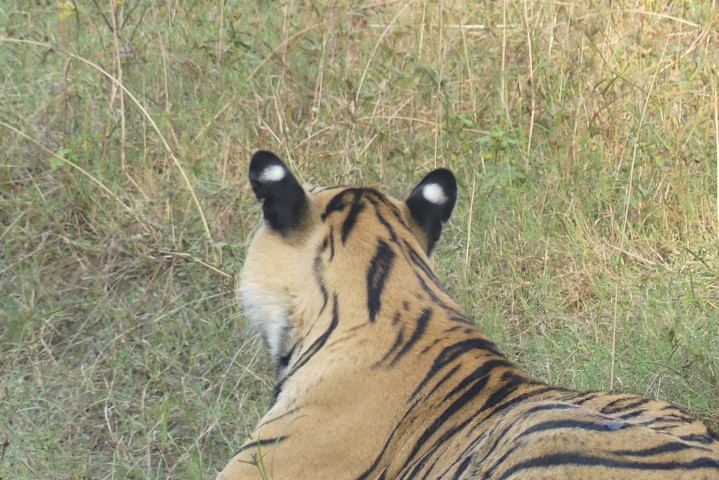
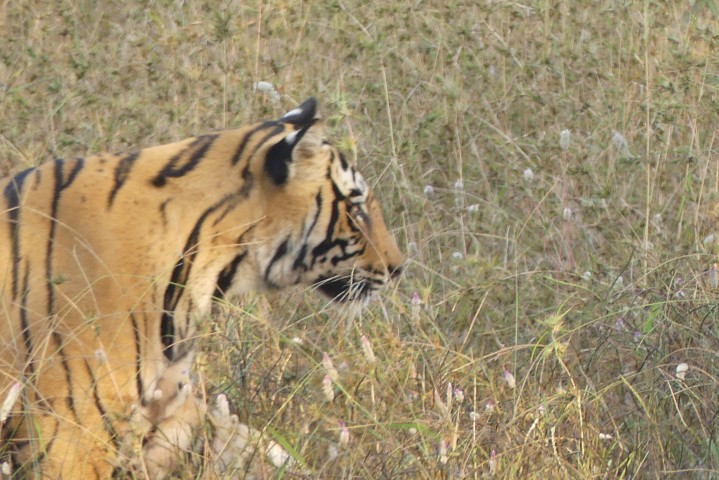
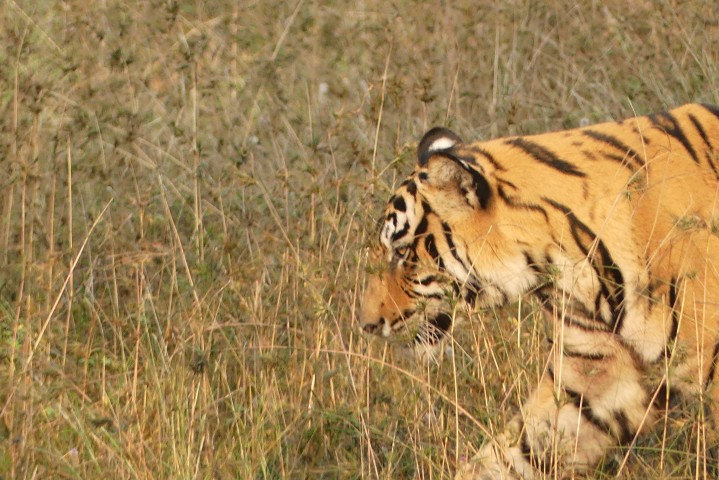
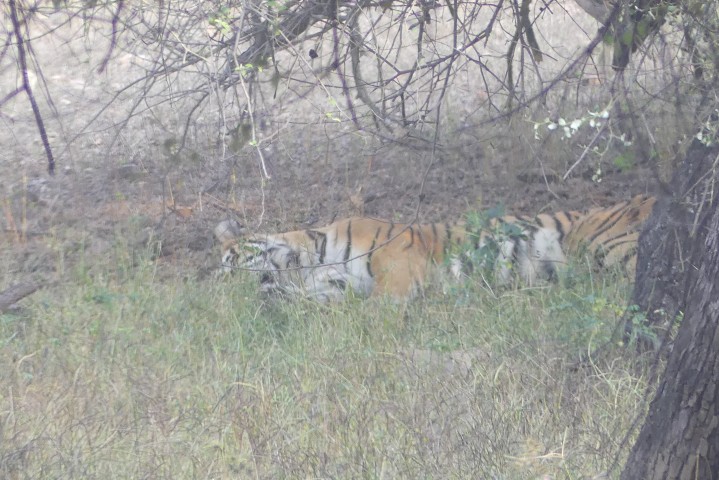
Our first tiger was quite a was in the distance. The naturalist on board found the spot because the tiger had brought down a large sambar deer the previous day, and so would most likely be guarding his kill. It was difficult to spot the tiger, and even more difficult to get a good photo. My camera kept focusing on the branches and grass around the tiger, so I have clear pictures of foliage but fuzzy focus on the tiger! I did manage to get a couple of decent shots.
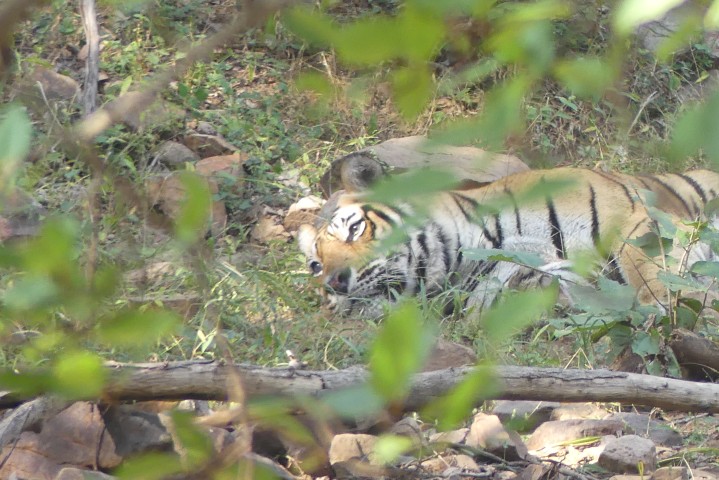
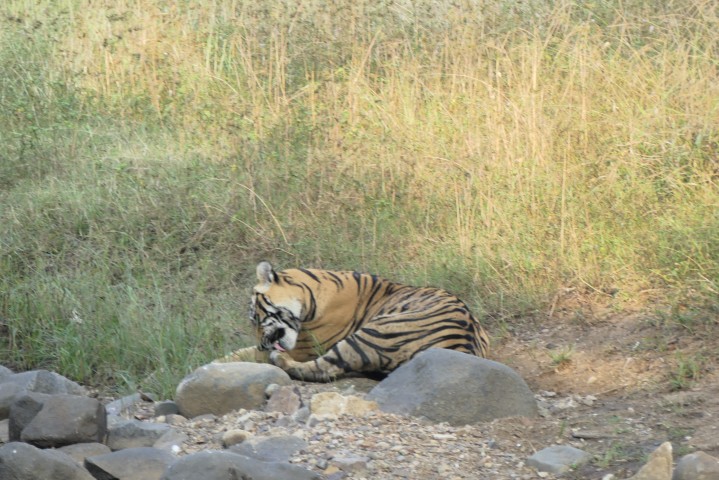
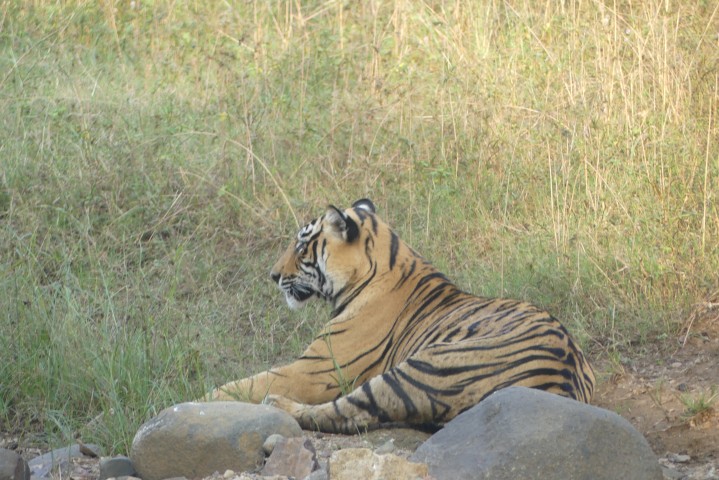
Later, we joined the hordes of canters that had spotted two tigers, a mother and her year-old cub (mostly fully grown). The cub was near the road, and so it was nice to be able to get good photos. Mom tiger was taking a nap under a tree further away, but she eventually sat up to pose for photos.
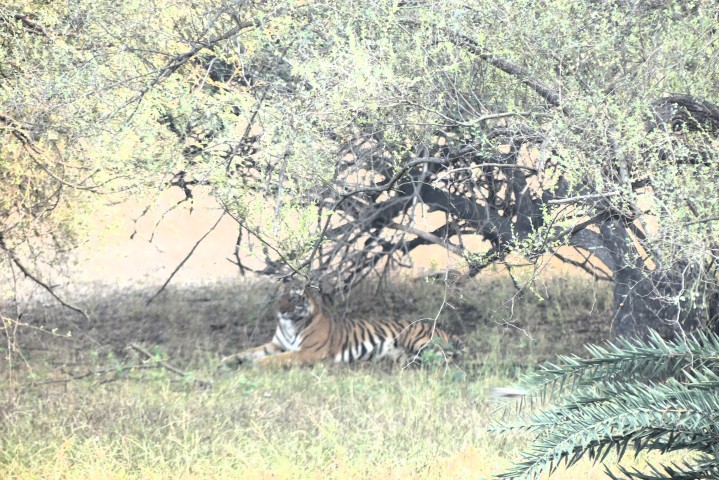
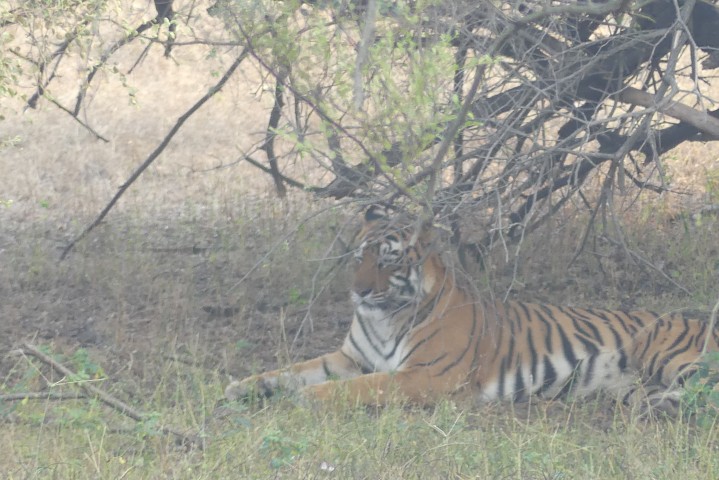
Here are photos of the other critters we spotted along the way:
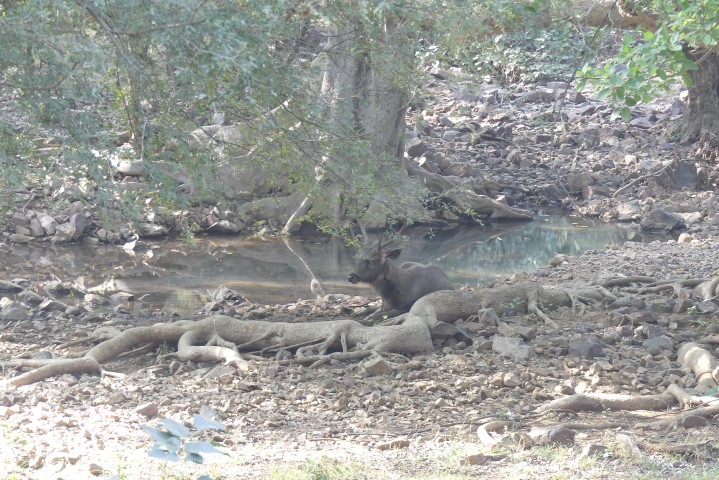
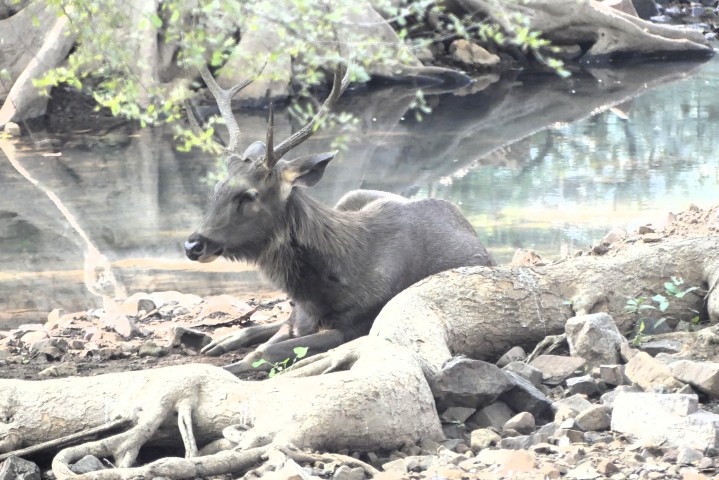
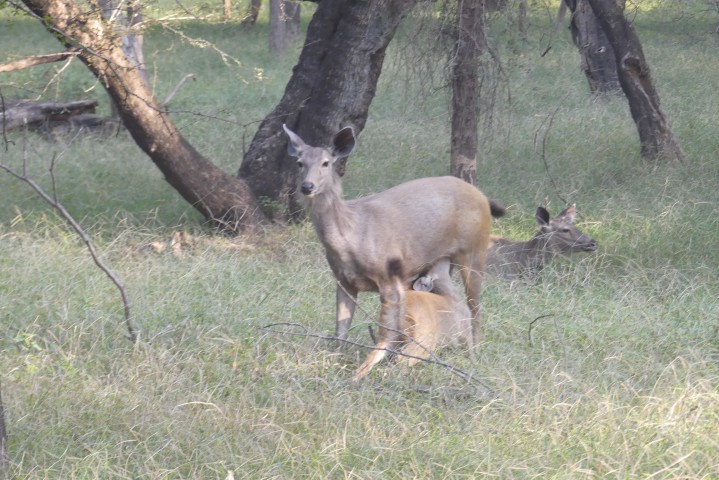
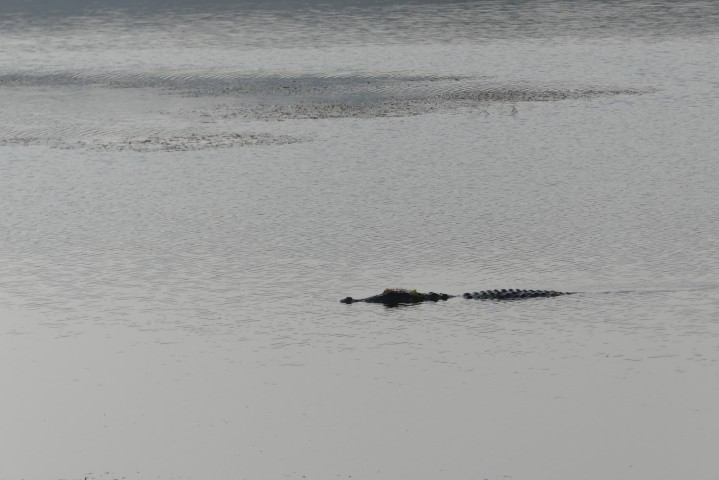
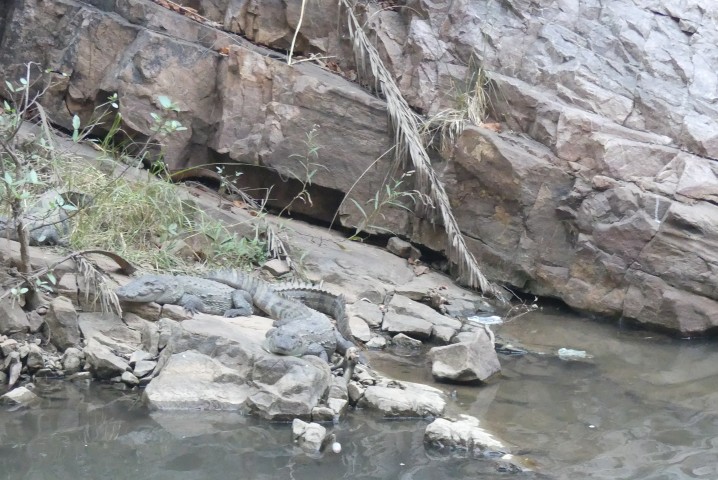
It was thrilling to see these tigers in the wild. A word of warning to those thinking of making the trip – the ride in the canter is extremely bumpy. Bumpy to the point that if you have any back issues at all, it will most likely be a most uncomfortable experience for you. My back started to hurt by the end of the safari, so I opted to skip the following morning’s safari. It turns out that no tigers were spotted, and very few other animals, so I didn’t feel too bad about missing out!

