In order to catch the flight to Durban, our group had to be ready by 4 am so it was a very early wakeup call. We made it to the airport with plenty of time to spare. When we boarded our (very small) jet, we found that we were the only passengers, save one. Kind of like our own private jet😂. Our new bus driver was waiting for us after we landed and collected our luggage. Off to our next stop, the St. Lucia Estuary.
Along the way, Don briefed us on our new location. Durban was established on December 25, 1841 and named Port Natal de Gama. If the name de Gama rings a bell, Vasco de Gama and Bartholomeu Diaz were the two Portuguese explorers that first landed in what would become South Africa. Natal is for the fact that he landed on Christmas. By 1841 the British had annexed the area which became known as Kwa Zulu Natal Province, home to 20 million people.
Sugar cane fields are everywhere; it is the major crop in the area. This is the “Home of the Zulu” but the Zulu weren’t too crazy about harvesting sugar cane, so indentured Indian servants were brought in. Hindu and Muslim are the dominant religions with Christianity coming in third. Most of the rest of South Africa is Christian.
If you have heard of the miniseries Shaka Zulu, you may be familiar with King Shaka, the most famous Zulu. Much more about him later.
Along the way, we lots of free-range cattle. Theoretically, there was a cattle herder nearby but I rarely saw one. There are also goats everywhere. Although there are many large houses and mansions along the road, you also see that most have outhouses since there is running water, sewage systems, or electricity in most rural areas. Though I didn’t get any pictures, we also saw women carrying heavy loads on their heads.
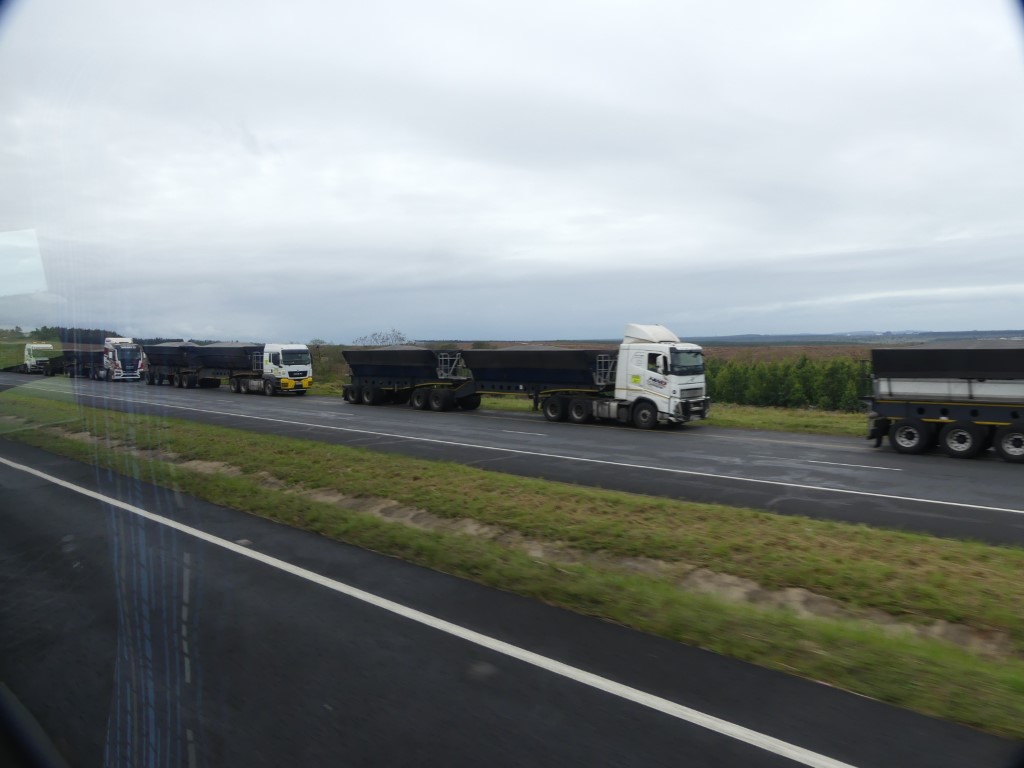
Why so many cattle? The going dowry price for a bride is 15 cows, equivalent to 150,000 Rand (about $8400). If you want a virgin, the price goes up to 50 cows! We had to slow down often to allow cows and goats to cross the road. We also saw lines of semis parked on the side of the road near Richard’s Bay. Apparently the railroads are no longer functional due to theft of the metal that runs the electricity so now coal (the primary source of electricity here) must be transported by truck. Don told us that the trucks have to wait for several days to unload. The government is corrupt and so have not fixed the rail issue. Fuel for the trucks is much more expensive than rail would be but it has been this way for years.
Lunch was on our own in St. Lucia. Around town were multiple signs warning visitors to stay away from hippos and to be very careful at night. Hippos kill more humans than any other animal in South Africa and they are active at night.
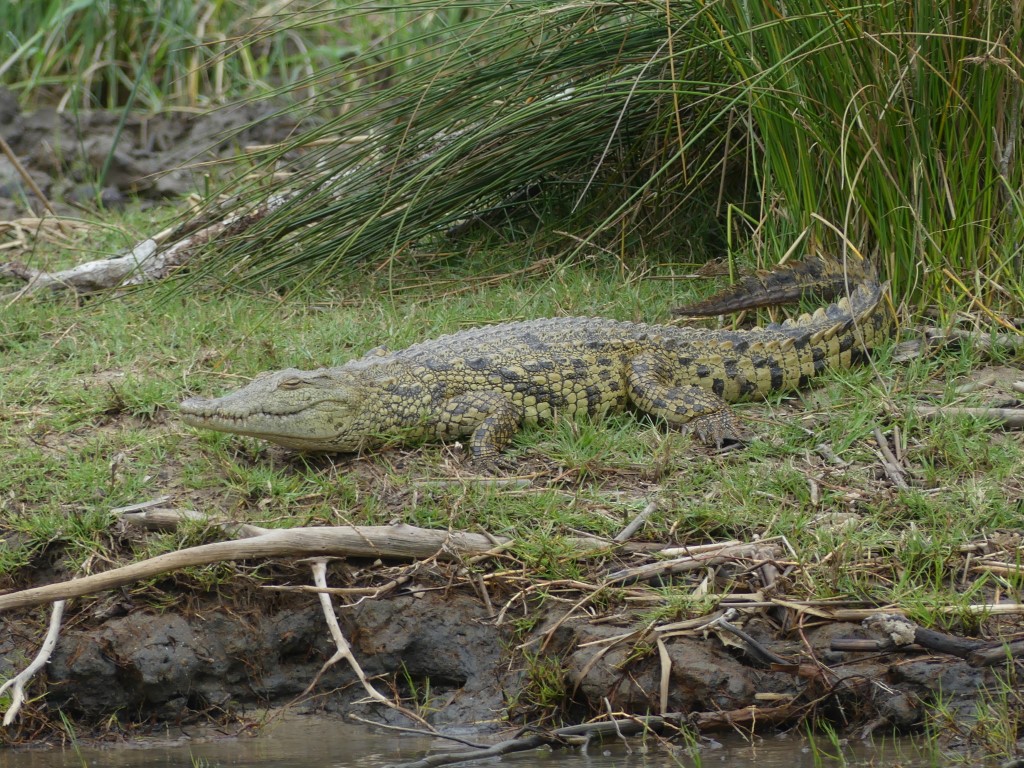
Now it was time to board the boat that would take us on a two-hour estuary tour where we would be looking for hippos and Nile crocodiles.
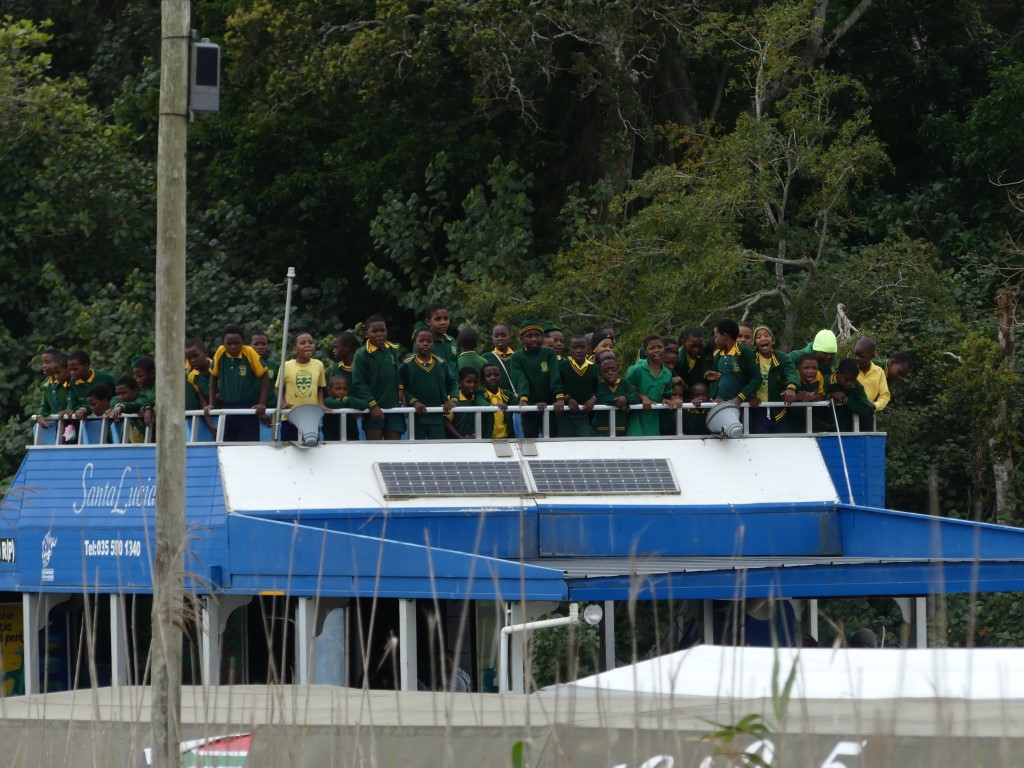
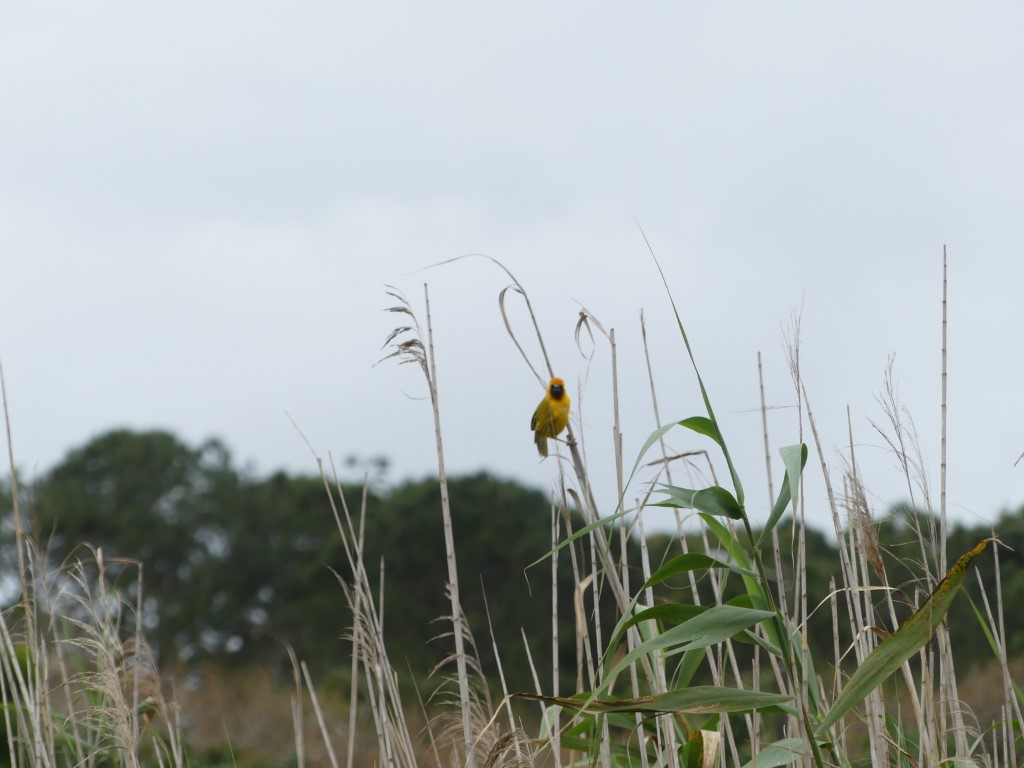

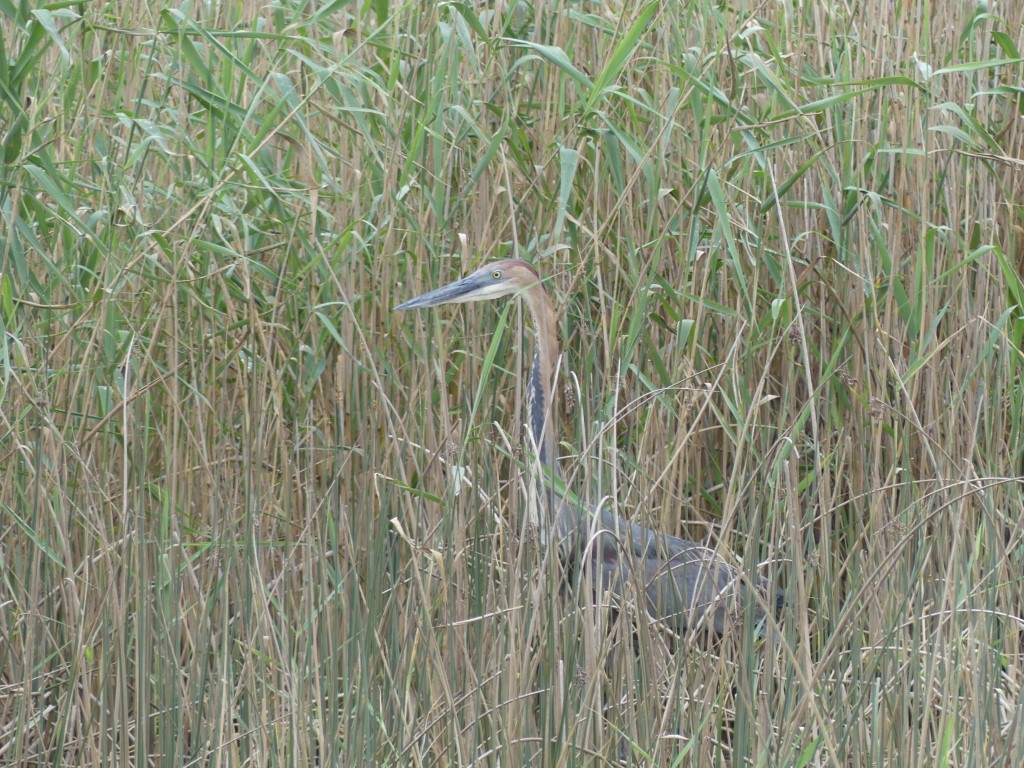
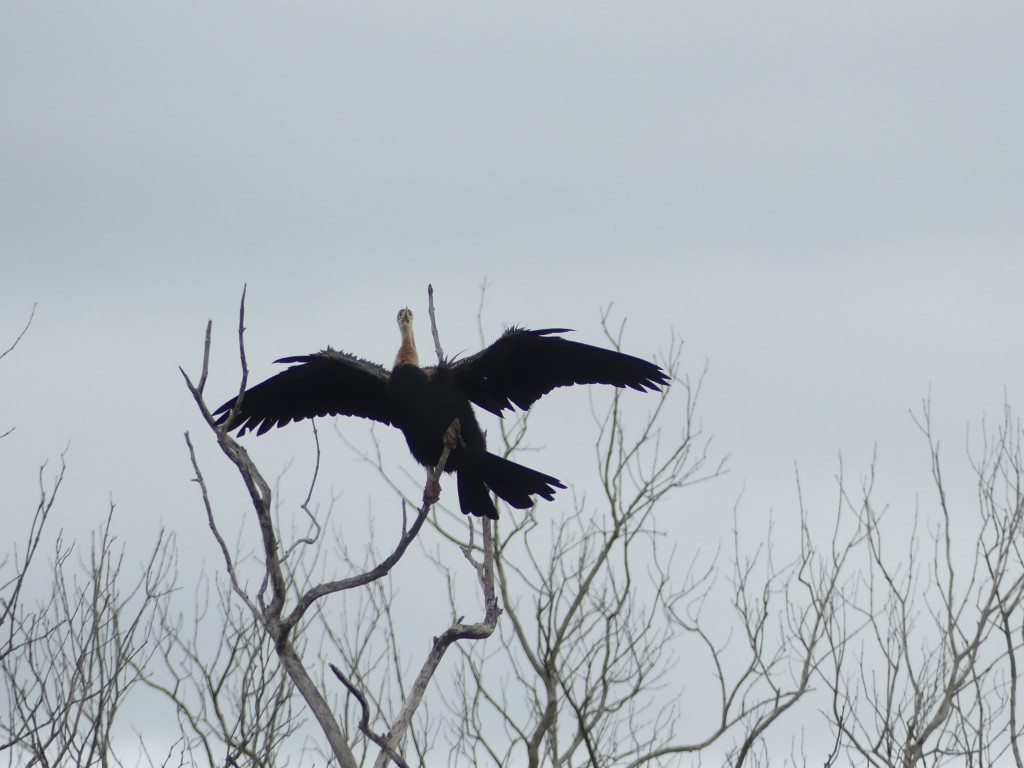
Honestly, we spent quite a bit of time looking but not much finding of the animals we were looking for. But, eventually we had success!
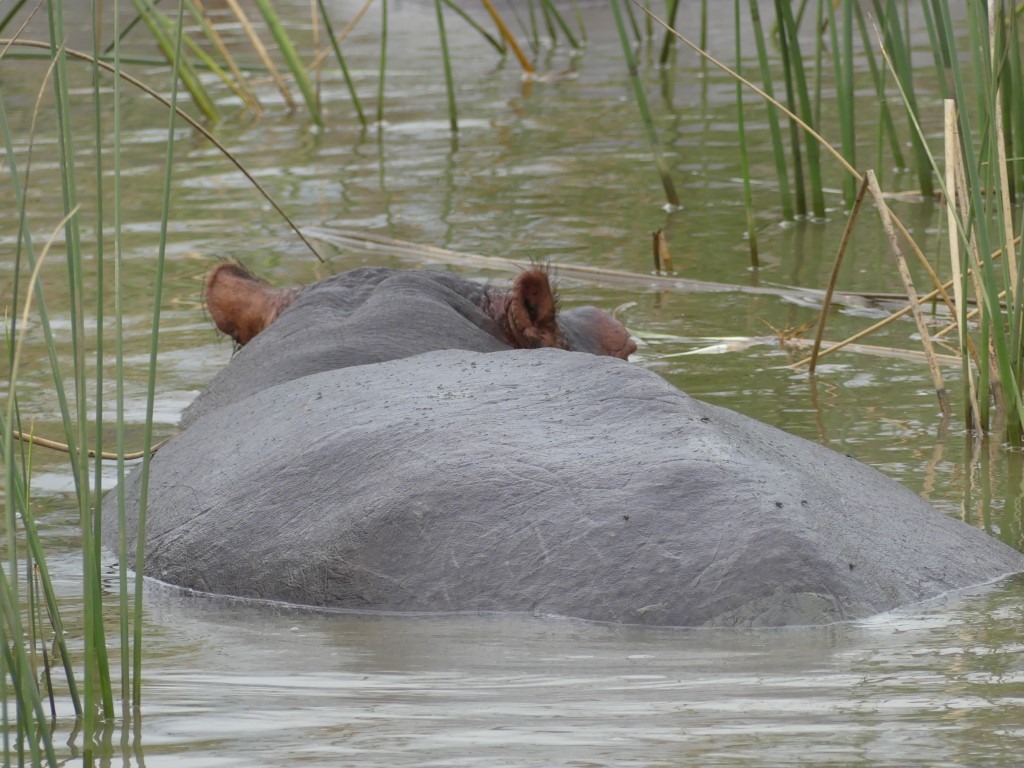

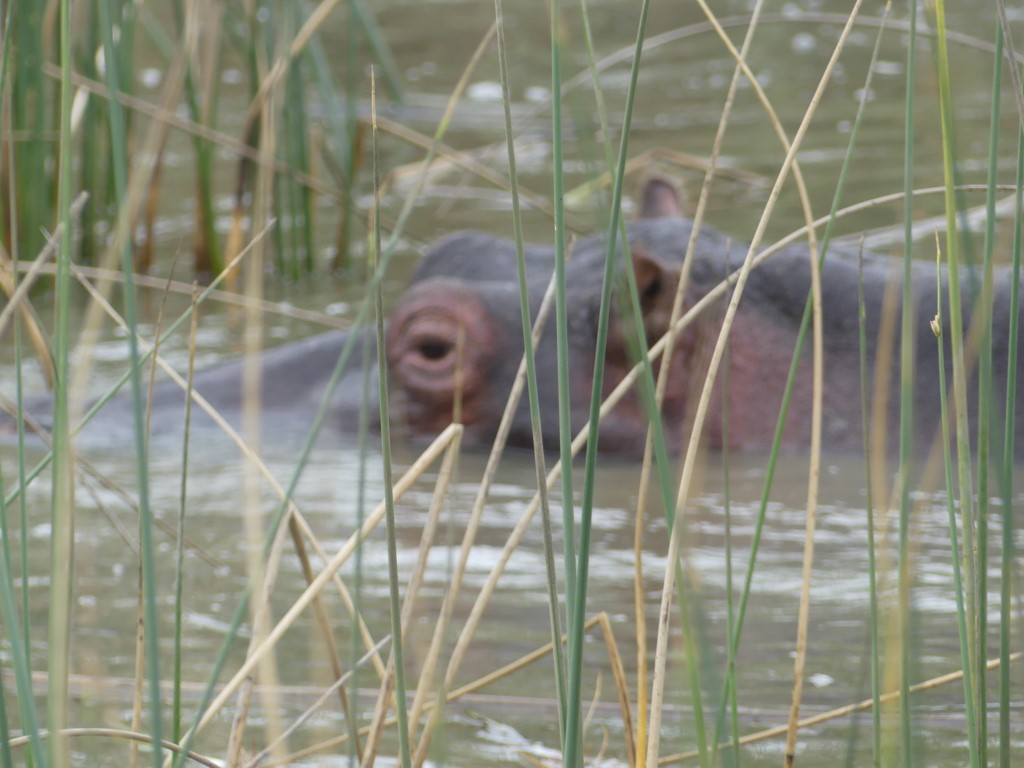
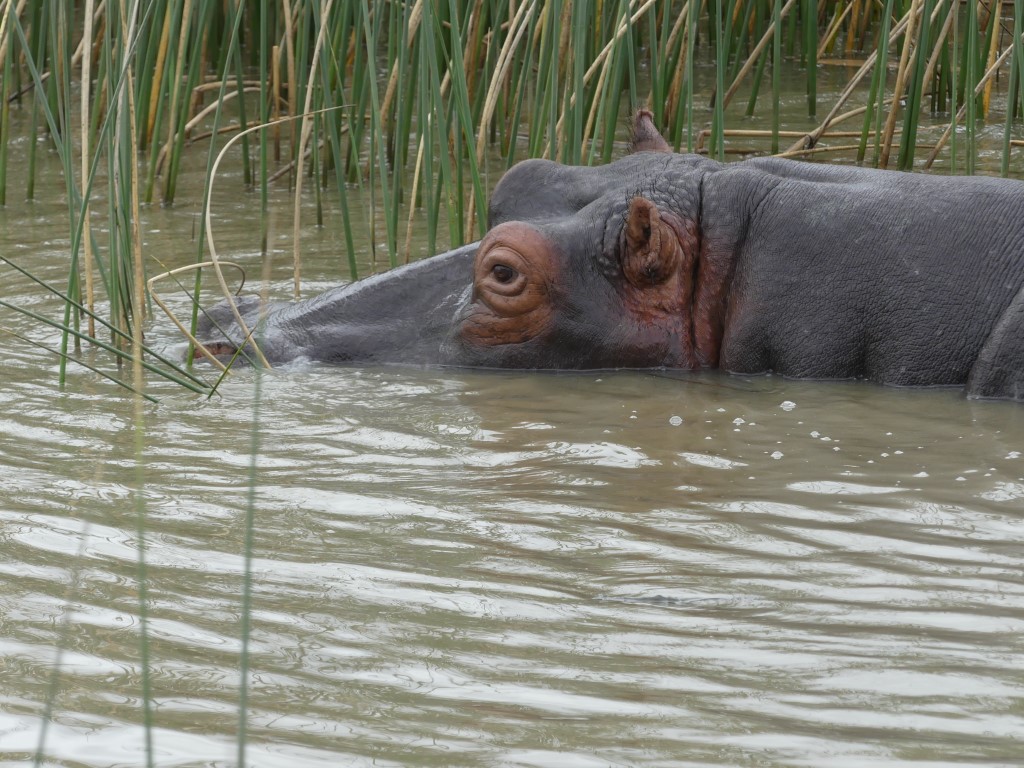
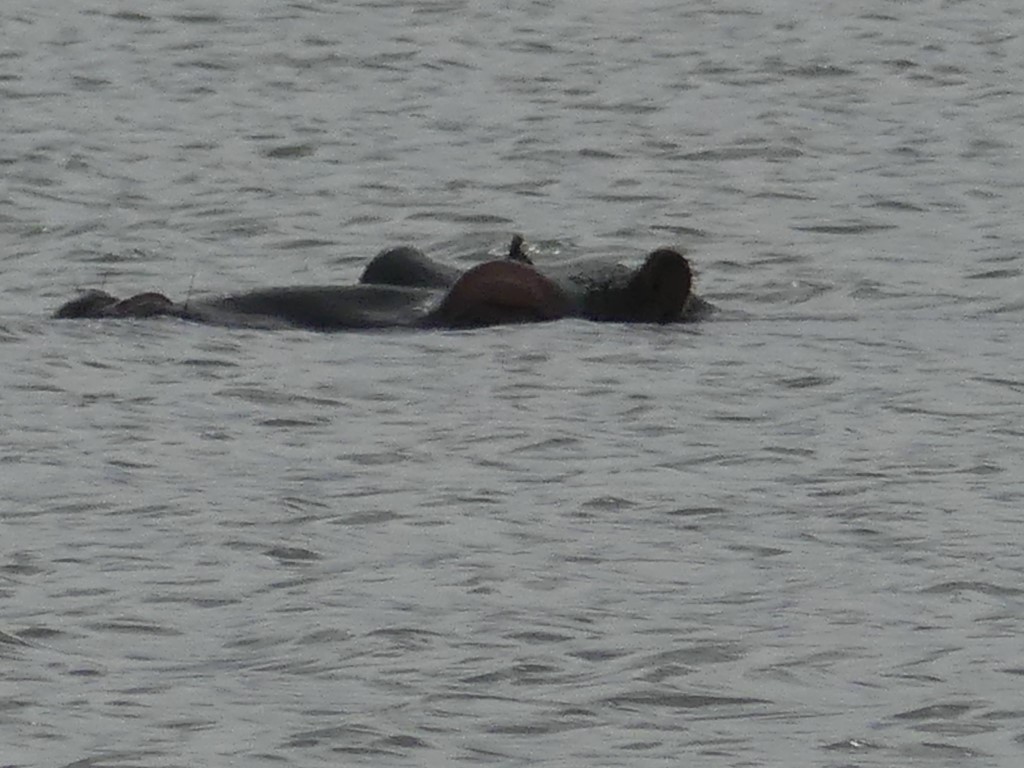
We only saw one tiny, little crocodile😥

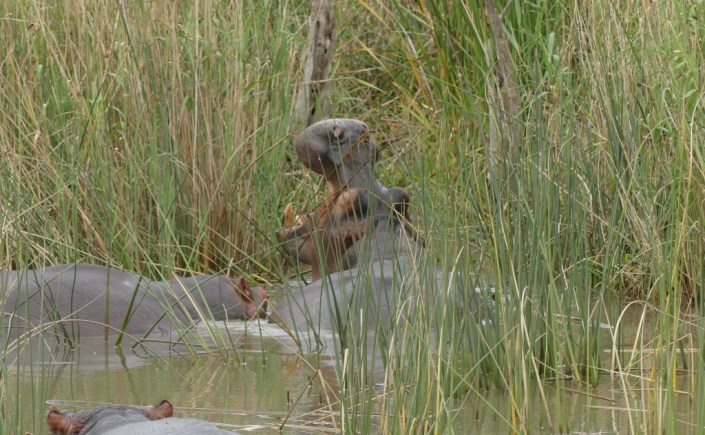
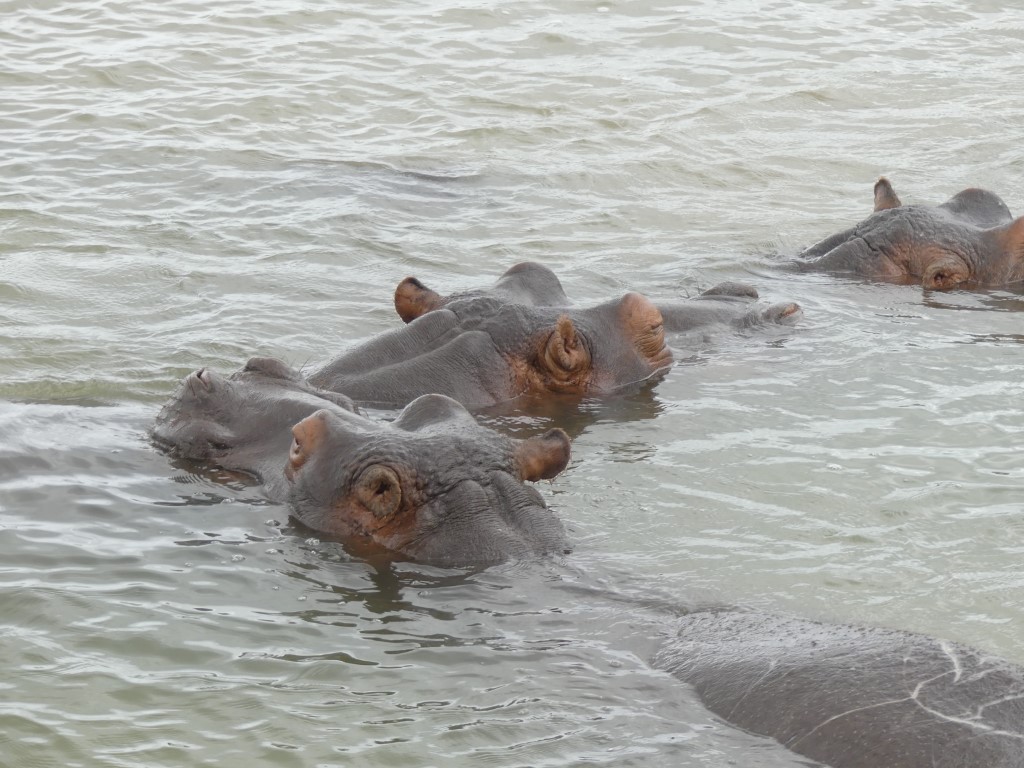
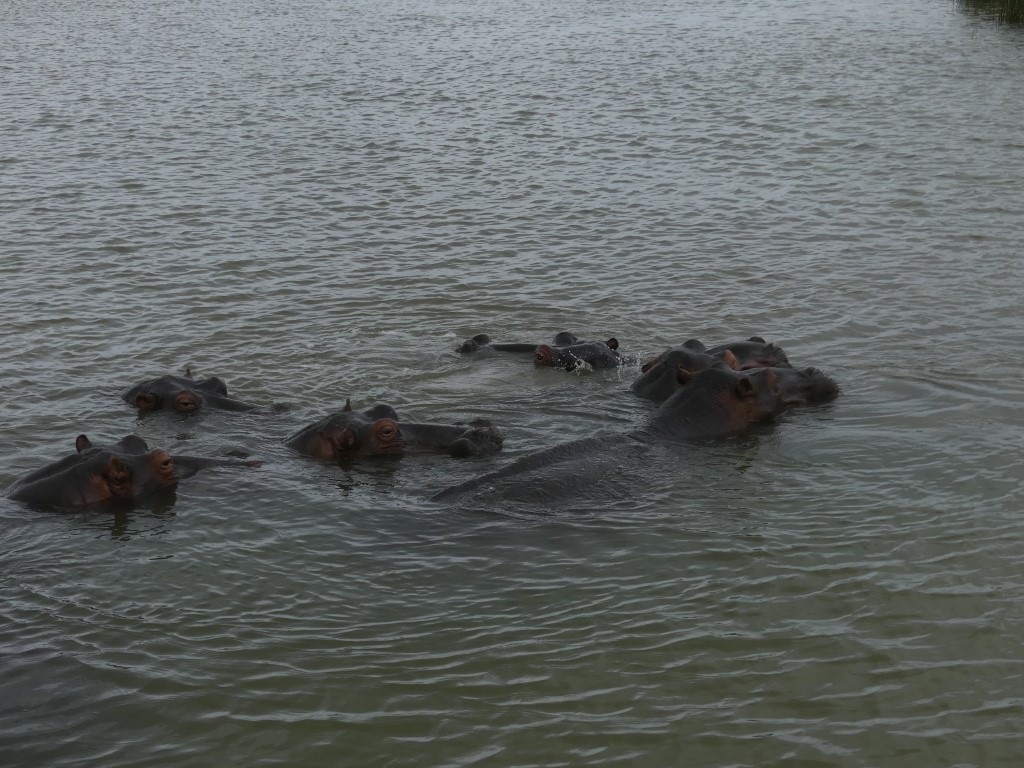
Hippo success! We located a group of hippos.
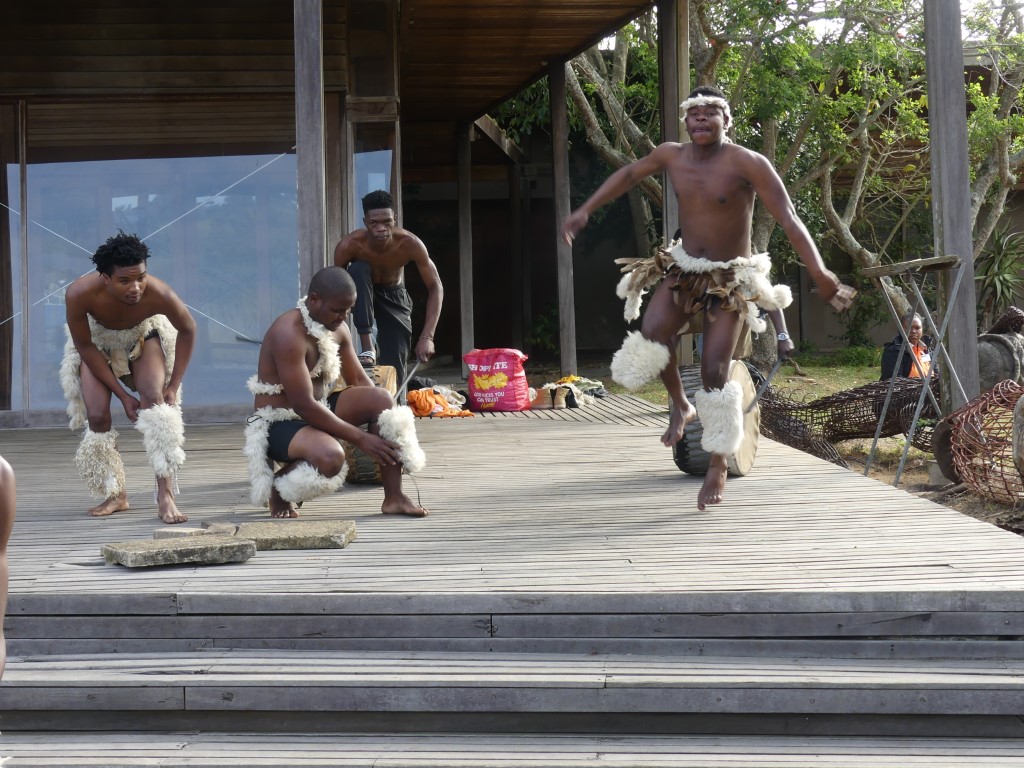
We were greeted at the dock by a group of dancer. Tip jar at the ready.
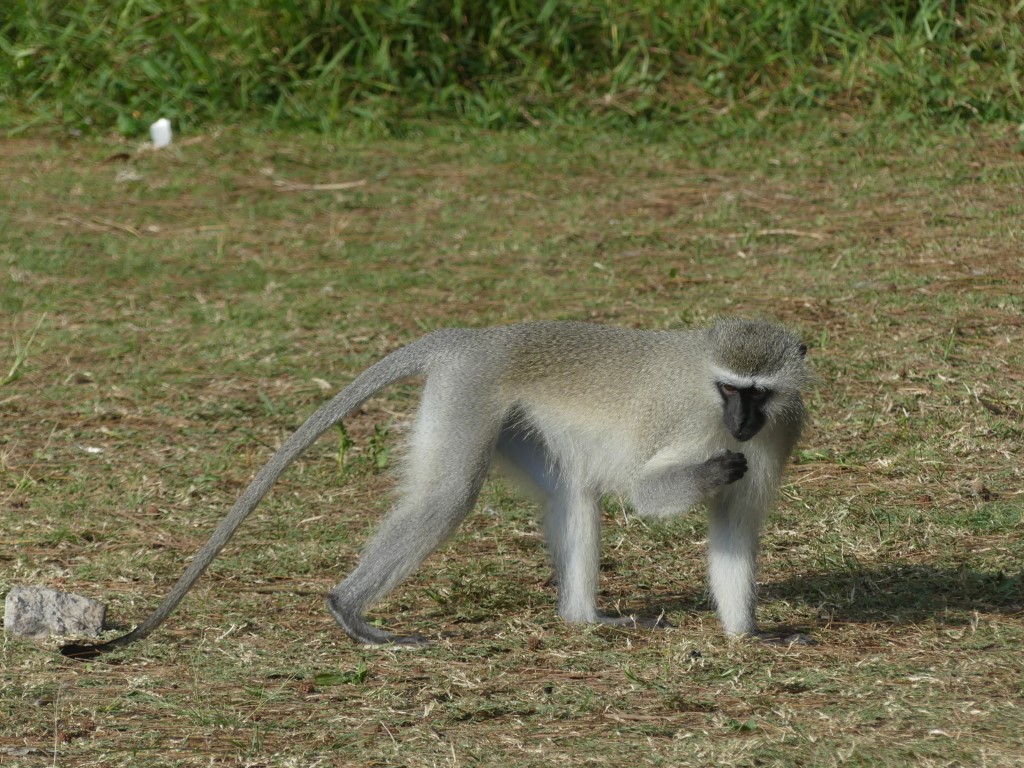
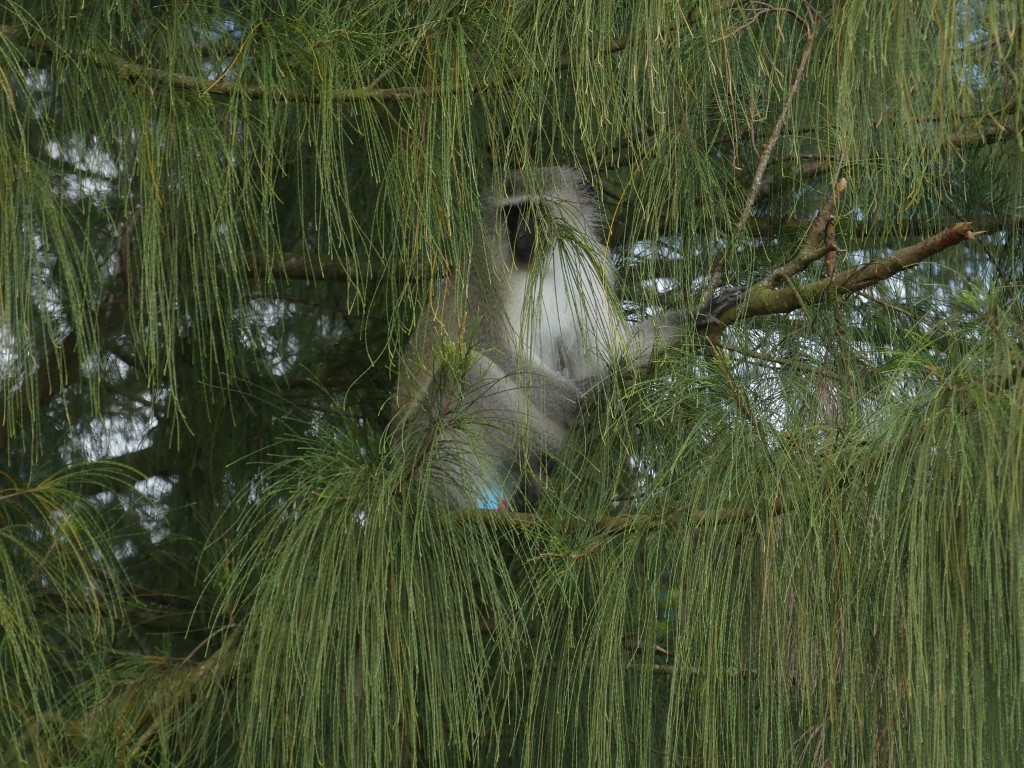
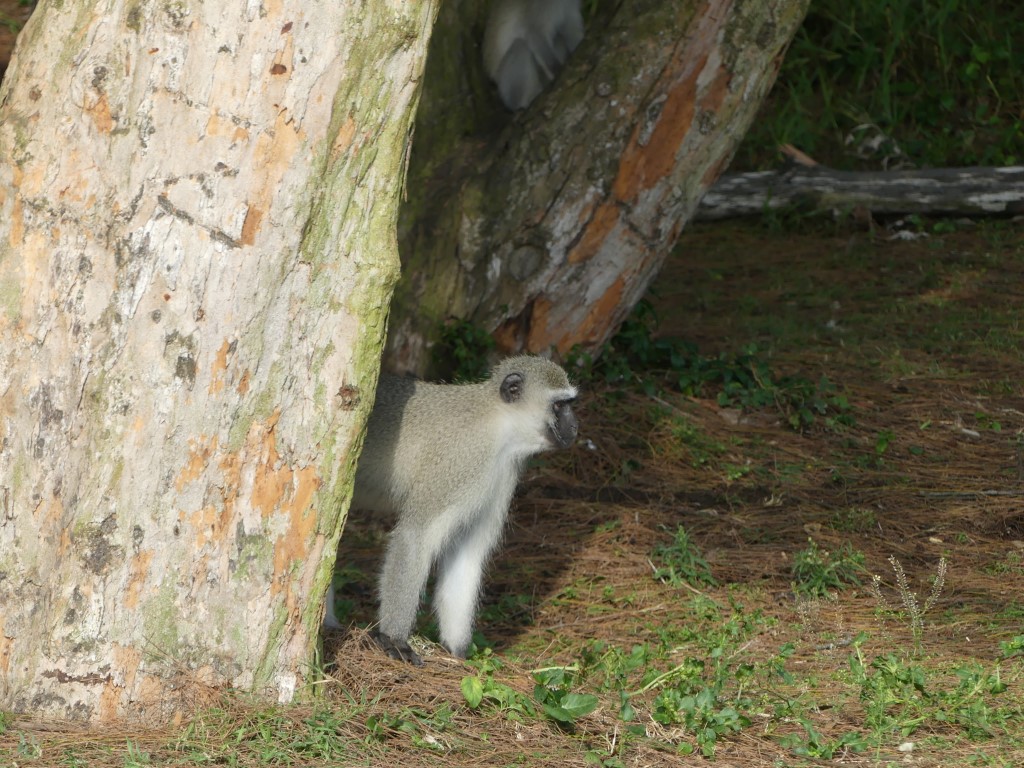
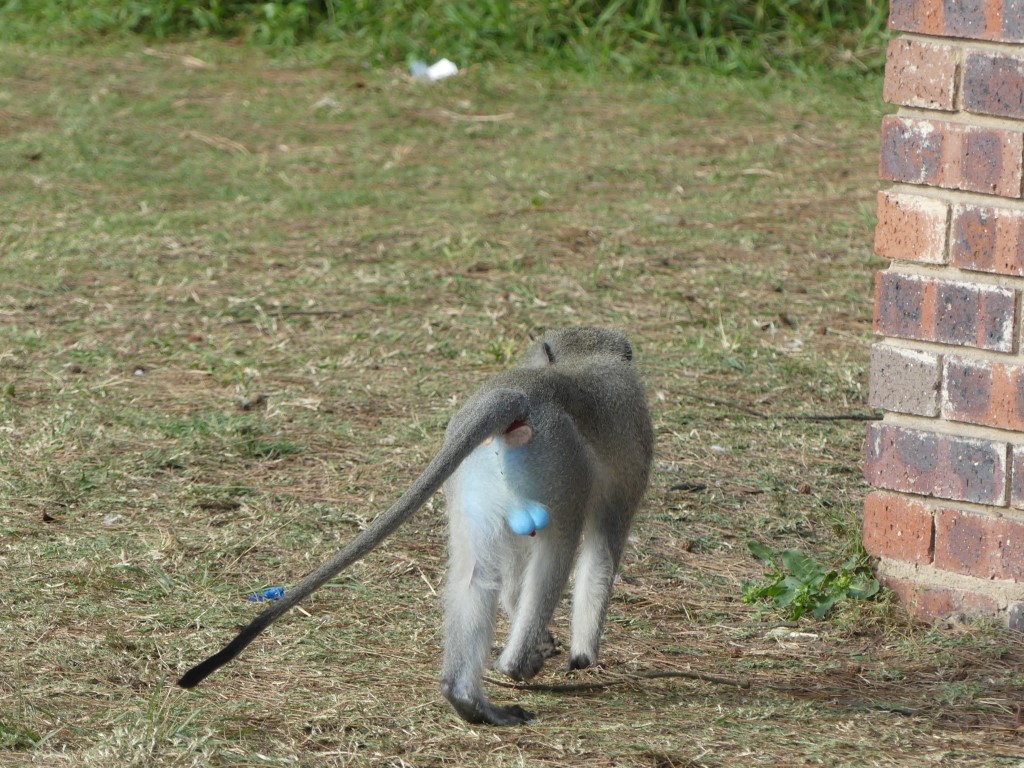
We still had a bit of a drive to get to our hotel in Hluhluwe so stopped at a park so people could see the Indian Ocean. We were stuck floating on the Indian Ocean for a couple of weeks on our “pandemic cruise” so just hung in the park. I am glad we did because we got to monkeys; many, many monkeys. The highlight was seeing what Don called “blue butt monkeys” but I personally think he got the body part incorrect.
Tomorrow is our first “real” safari day; so excited!
 travelswithheather