Today is a free day on the tour, with two optional tour choices. The first choice is a full-day shark cage diving tour. To be honest, I was tempted, but Clayton definitely was not! So, we opted for a tour of the wine country in South Africa. South African wines have an excellent reputation so we figured we would put them to the test.
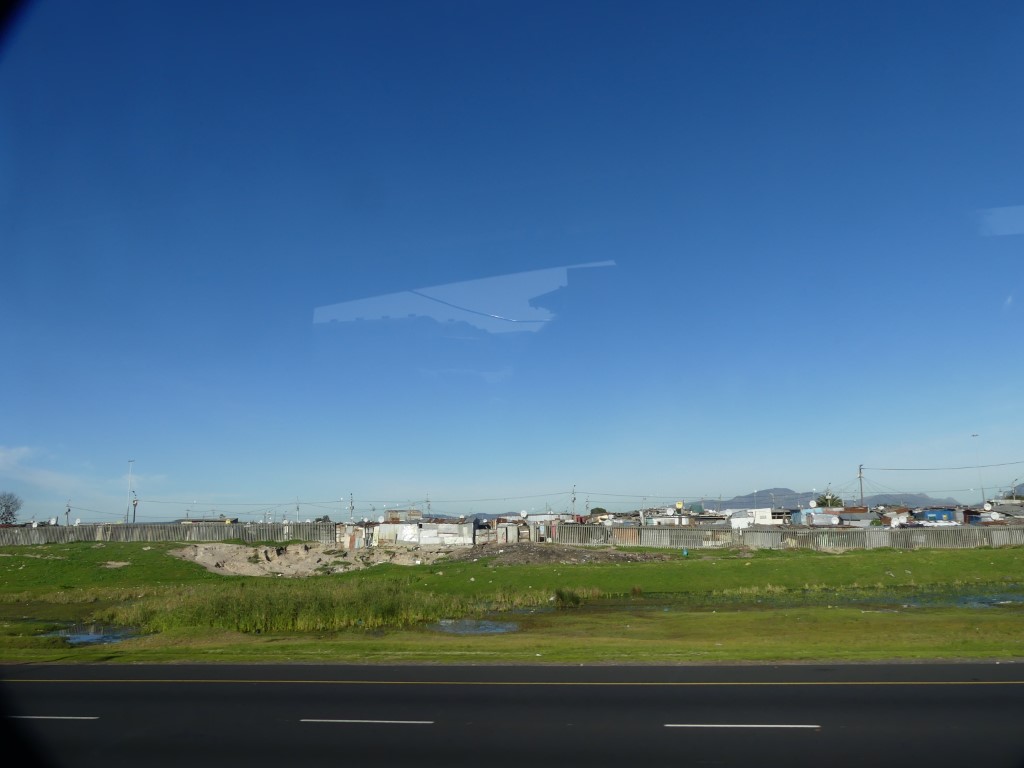
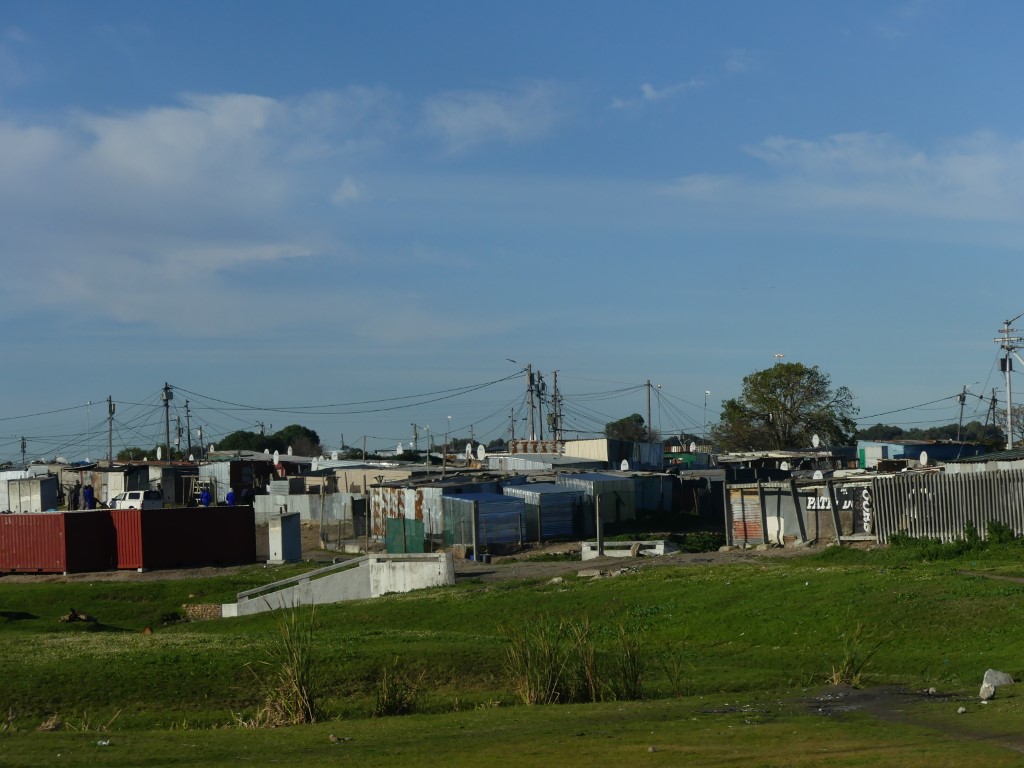
As we drove to our first stop, we passed by numerous shanty towns. Cape Town is the most unequal city in the world. There is great wealth as well as great poverty. There are more poor people and many of them live in shanties. The average number of children per family is 5 here; the world-wide average is 1.5. The government provides “child grants” to unwed mothers, some of whom repeatedly get pregnant to increase the size of their grants. Polygamy is also common here, which also contributes to the population explosion. There is no limit to the number of wives a man can have. It is a patriarchal society; rape and abuse are common. Since dowries are common in this culture, men feel like they “own” their wives and can treat them however they want. Women are blamed if they are raped. Drug abuse and alcoholism are huge problems here.
These townships are in formerly black areas of the cape. Unemployment rates are high. Many that live in villages come to work here. They save their money and build nice homes when they return. To economize, they live in shanties made of corrugated metal. Very cold in the winter; extremely hot in the summer. No running water or services. They steal electricity and some get electrocuted. There are satellite dishes on most of shanties!
When Nelson Mandela was President, he started the RD program which provided over 3 million homes in order to provide shelter for those living in the shanty towns. Sadly, the problem now is worse than it was then due to population growth.
We passed a dead body on the highway. People cross the road wherever they want; often with deadly consequences. You don’t see many buses here despite the large population that do not own cars. People typically take white minivan taxis instead. They can probably hold ten people comfortably but it is common to squeeze in 20 in order to make more money. The taxis shoot at the buses to keep people from riding them. The police are corrupt and of no help.
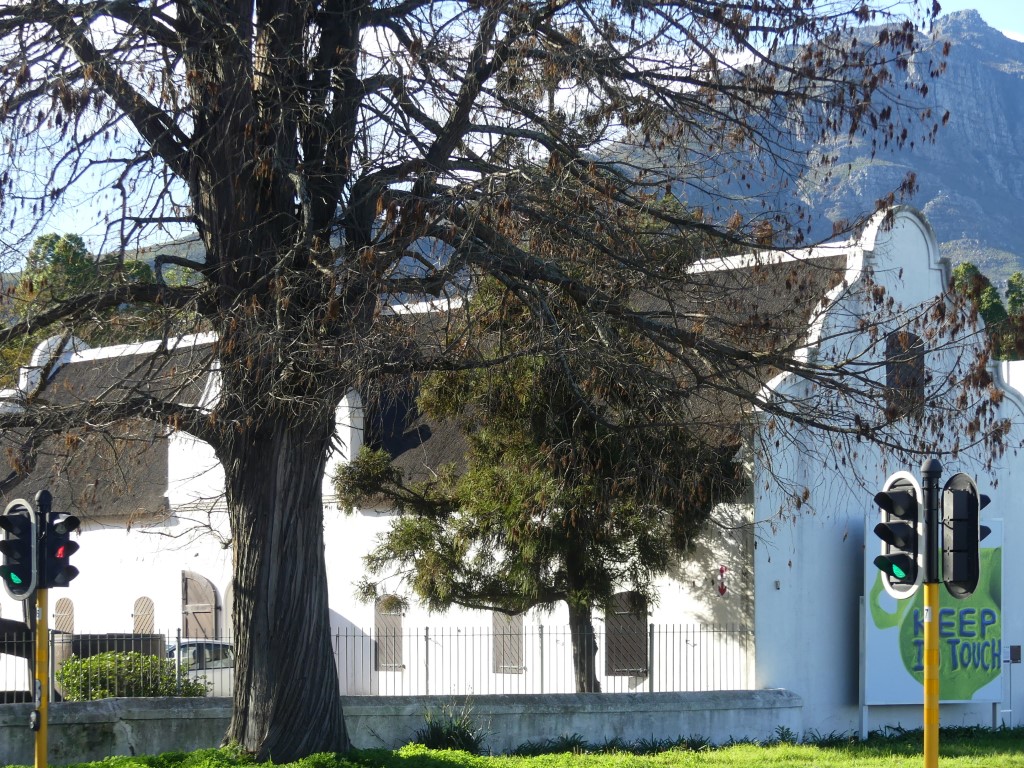
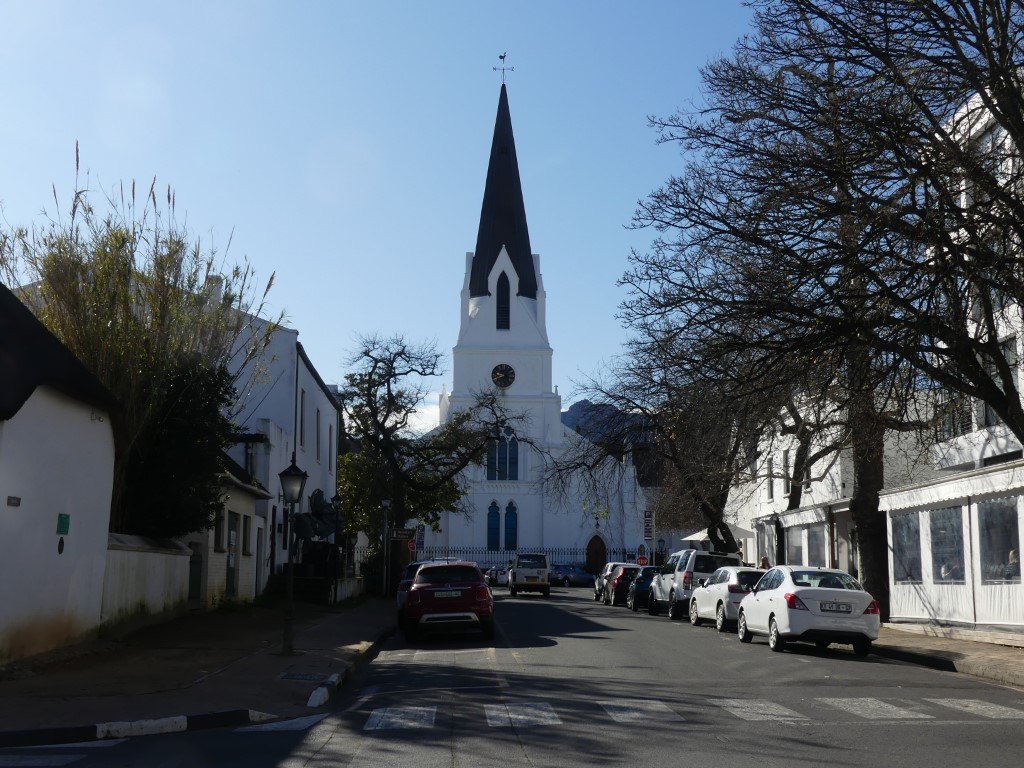
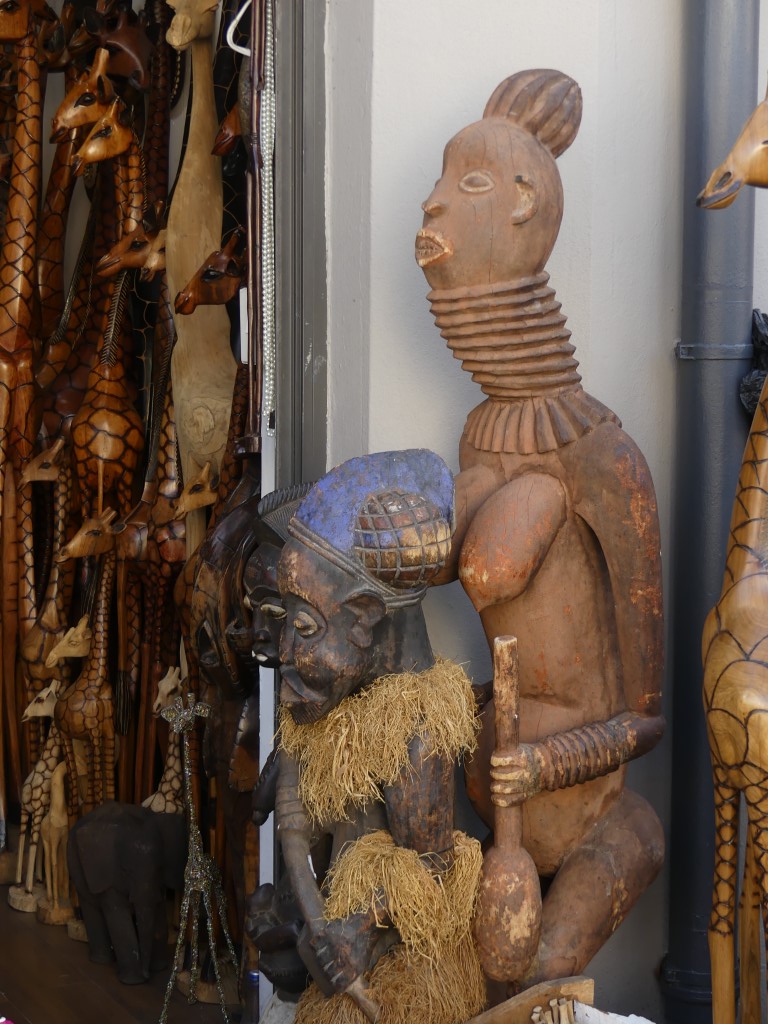
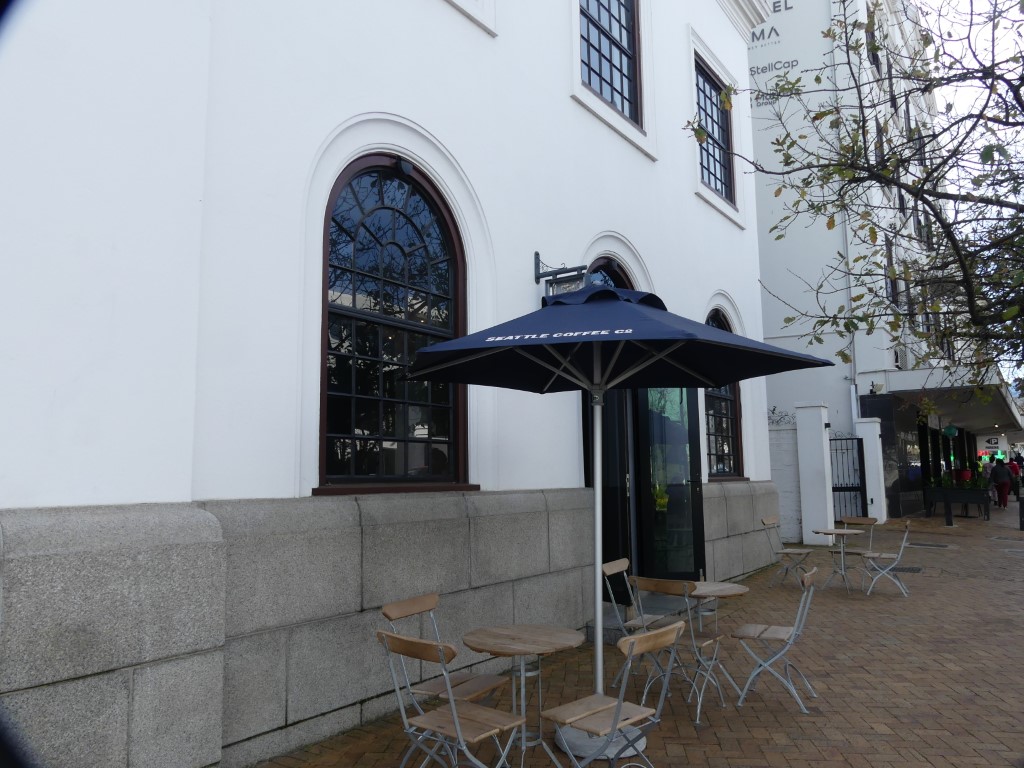
After passing through the shanty towns, we made a stop in Stellenbosch, the second oldest city in South Africa. I guess it was a little too early to start tasting yet, so we had some time to wander the town. Some chose to shop; we chose to have coffee.
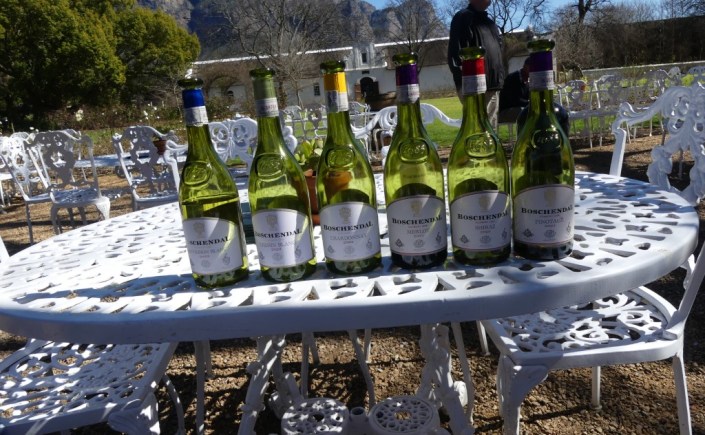
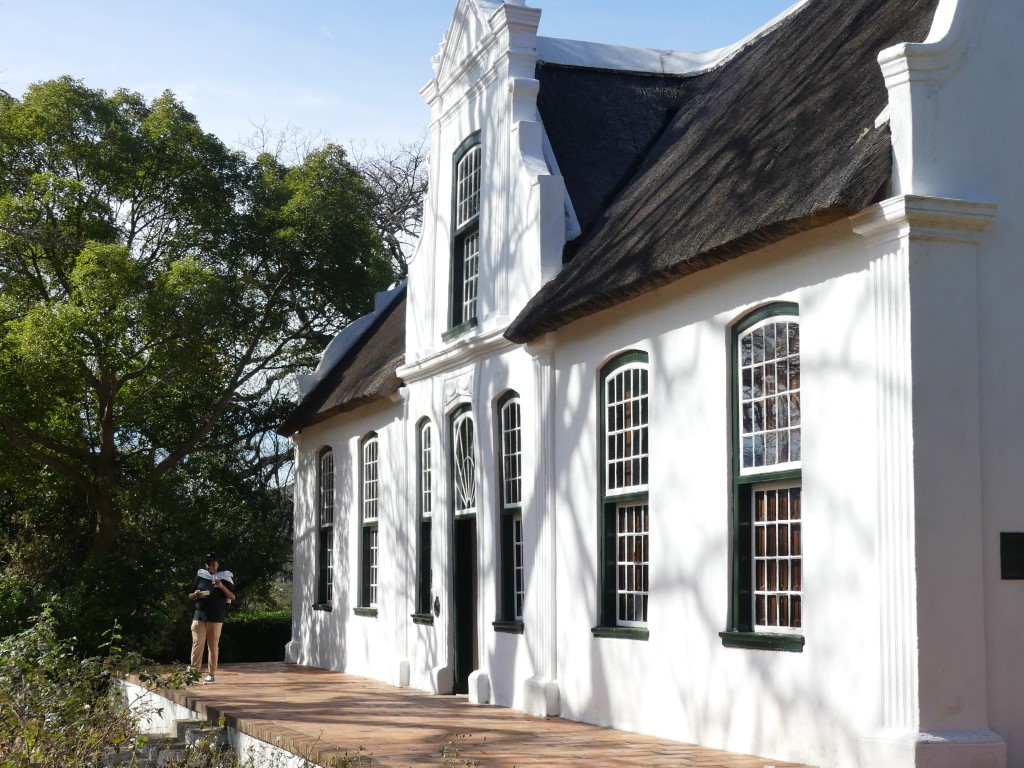
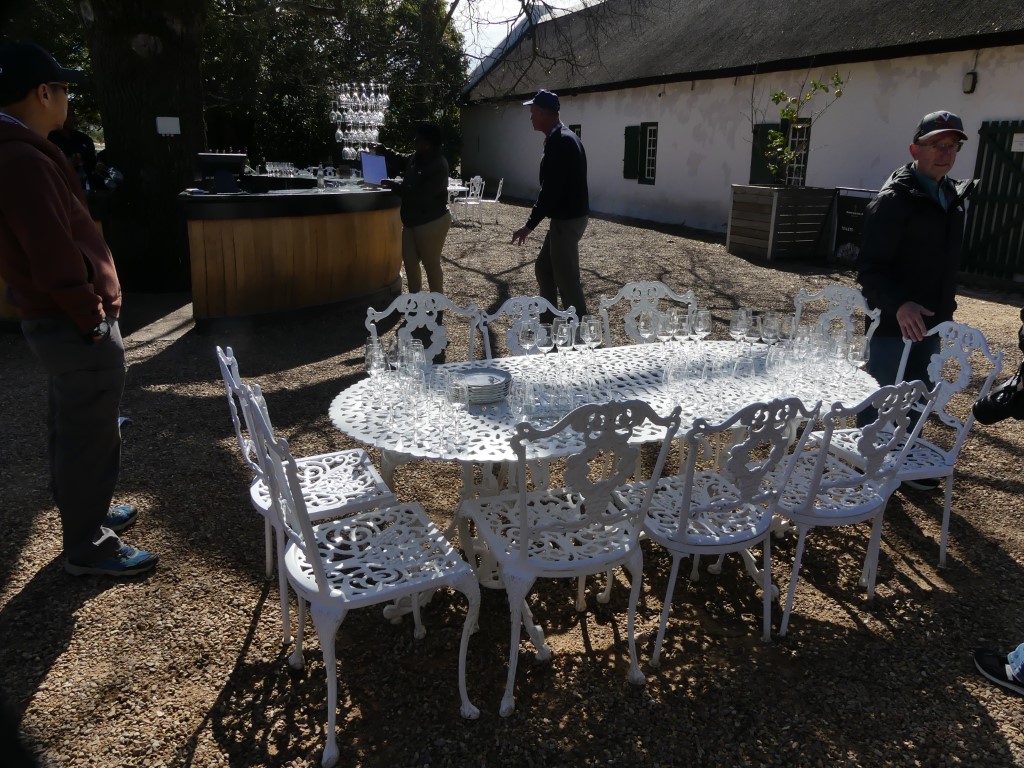
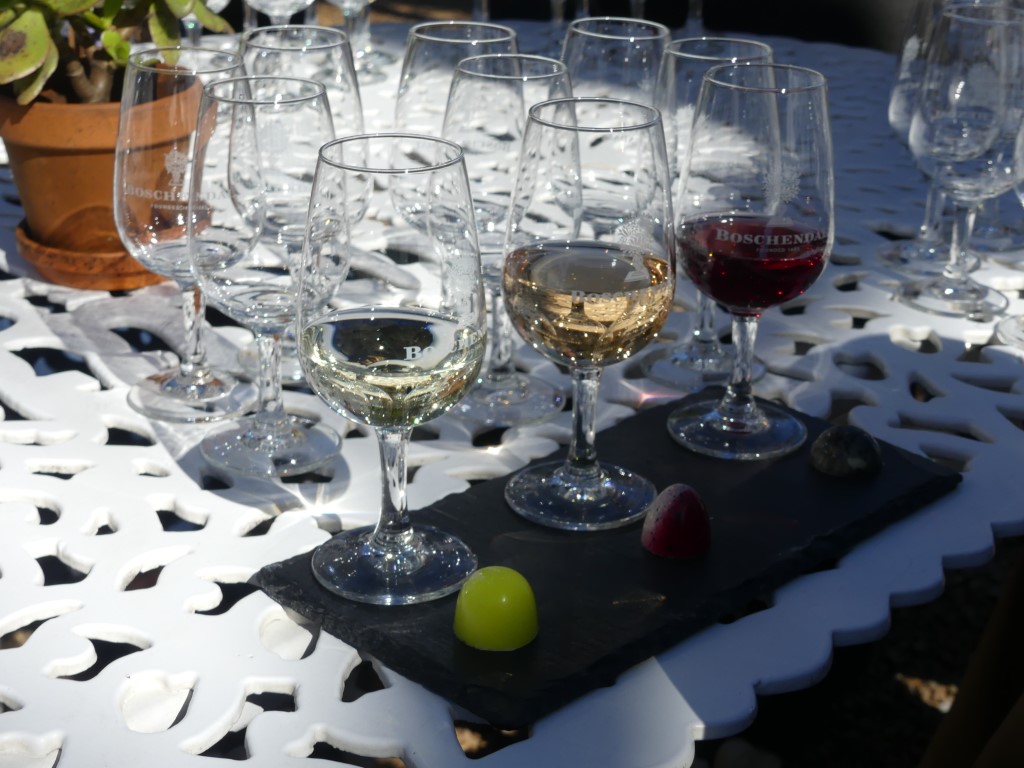
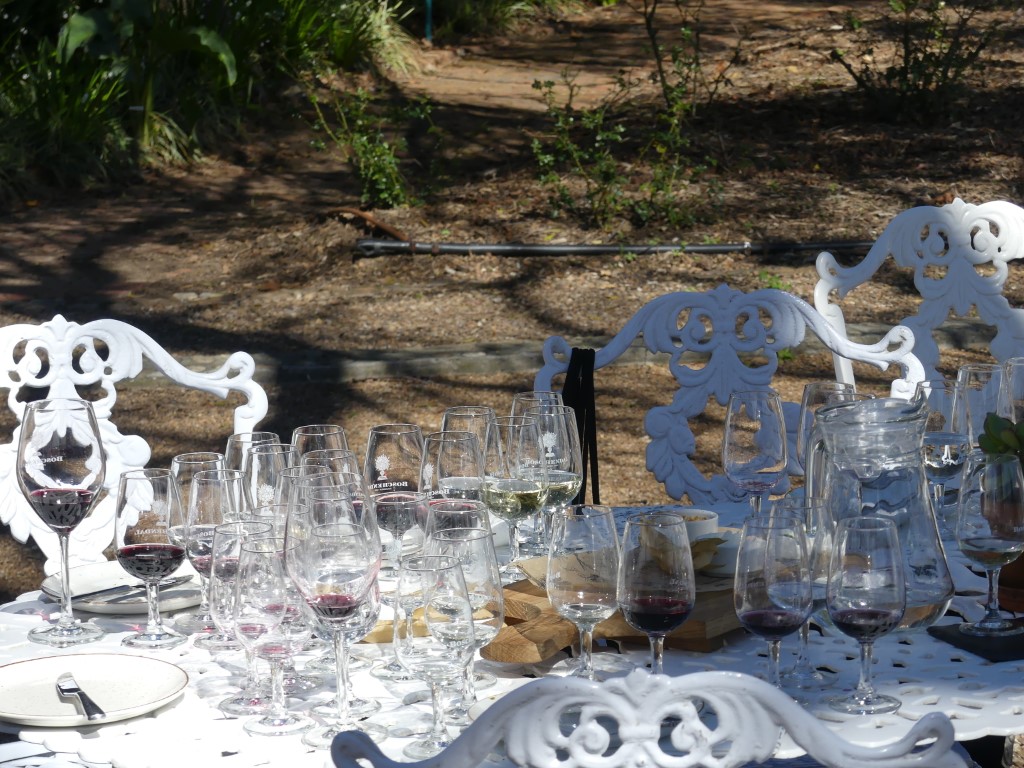
Our first wine stop was at Boschendahl Farms. We were treated to pours of six wines (3 white, 3 red) as well as a snack tray of breads and spreads. Of course, there was an opportunity to purchase wine and have it shipped back to the US.
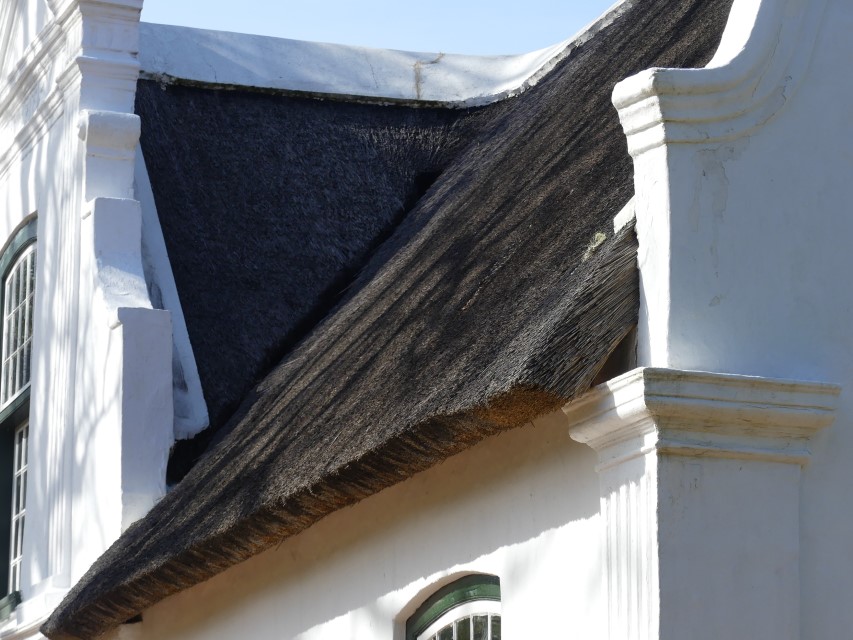
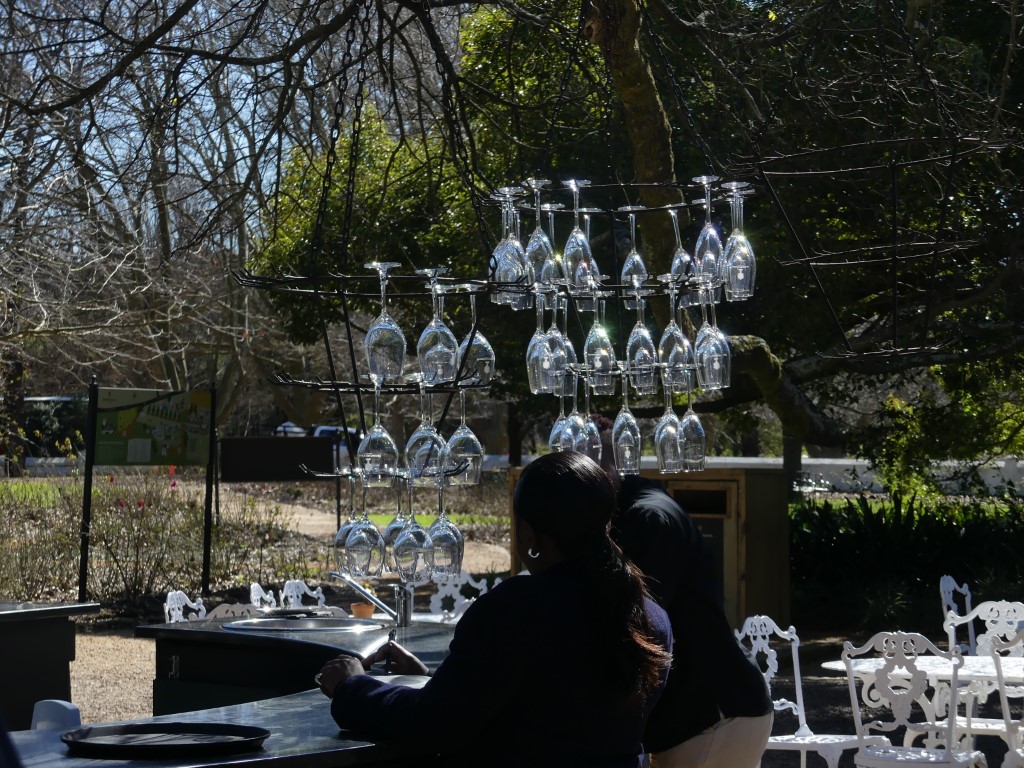
Next up was a stop in the town of Franschhouk (French corner) where we had a stop for lunch and/or shopping. The French came to the party late, after the Dutch and British had settled on the Cape. The Huguenots brought their wine-making skills from France and the Dutch quickly integrated them into their communities. Apartheid kept South African wines from being popular until it was abolished. Sanctions were lifted in 1990 and now South African wines are sought after world-wide.
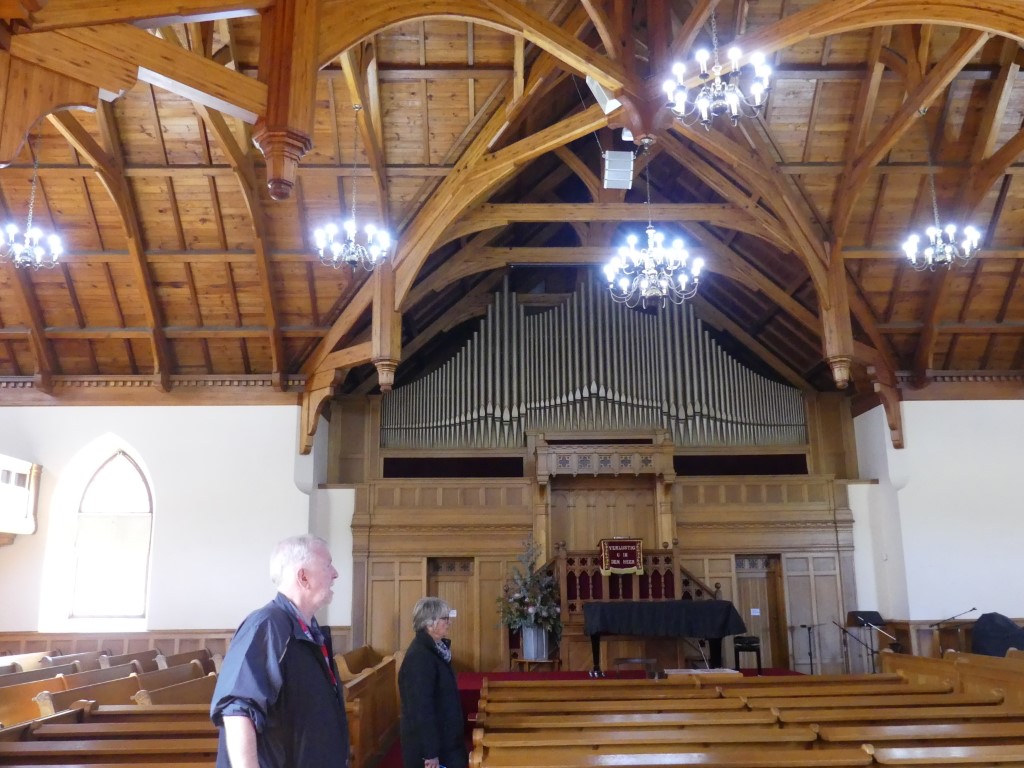
There is a wine tram that has taken over the railroad tracks that run through the area. Besides grapes, berries are grown here and there are also many stud farms (horses). We passed through a slave town which was established in preparation for the abolishment of slavery. Each slave town had a slave bell that was used to keep time for slaves – i.e. time to wake up, time to go to work, etc. After slavery was abolished, indentured servants were brought in from India to do the work slaves used to. Now there are over 1 million Indians living in South Africa.


Our final stop was at Fairview wineries, located near the city of Paarl, where we were treated to 6 more glasses of wine paired with cheese. One of the wines was unique to South Africa, called a Pinotage which is a blend of Pinot Noir grapes and Hermitage grapes. This tasting took place indoors. The wine was delicioius but for me, one wine tasting in a day would’ve been enough. I guess I can’t drink like when I was younger!
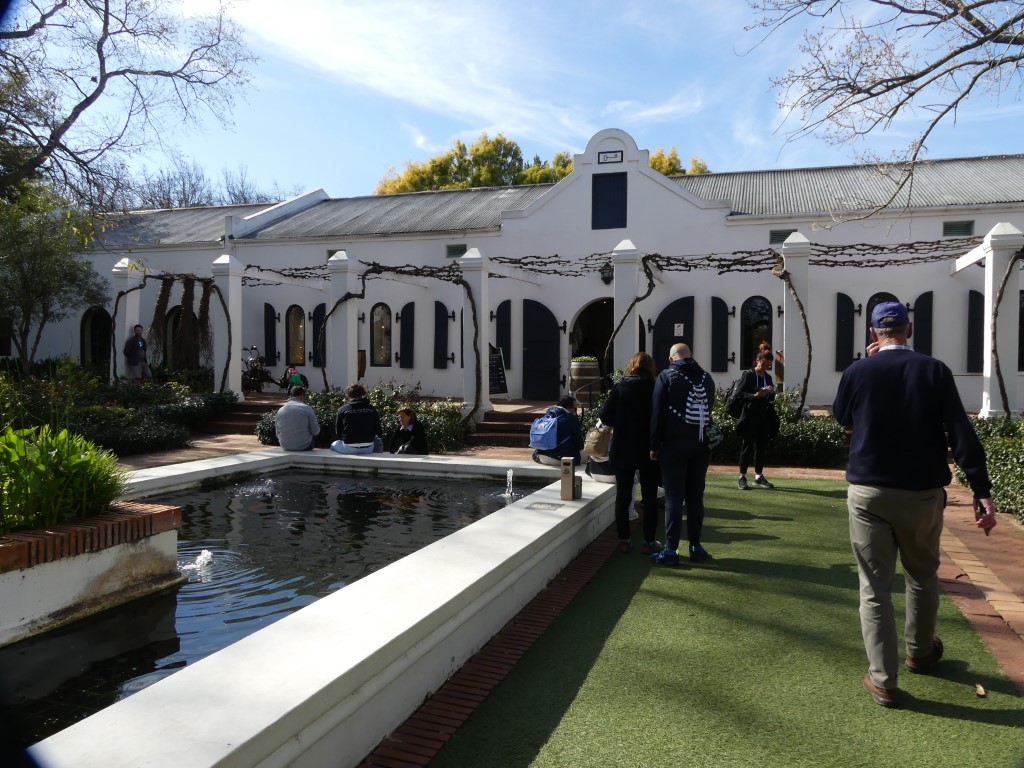

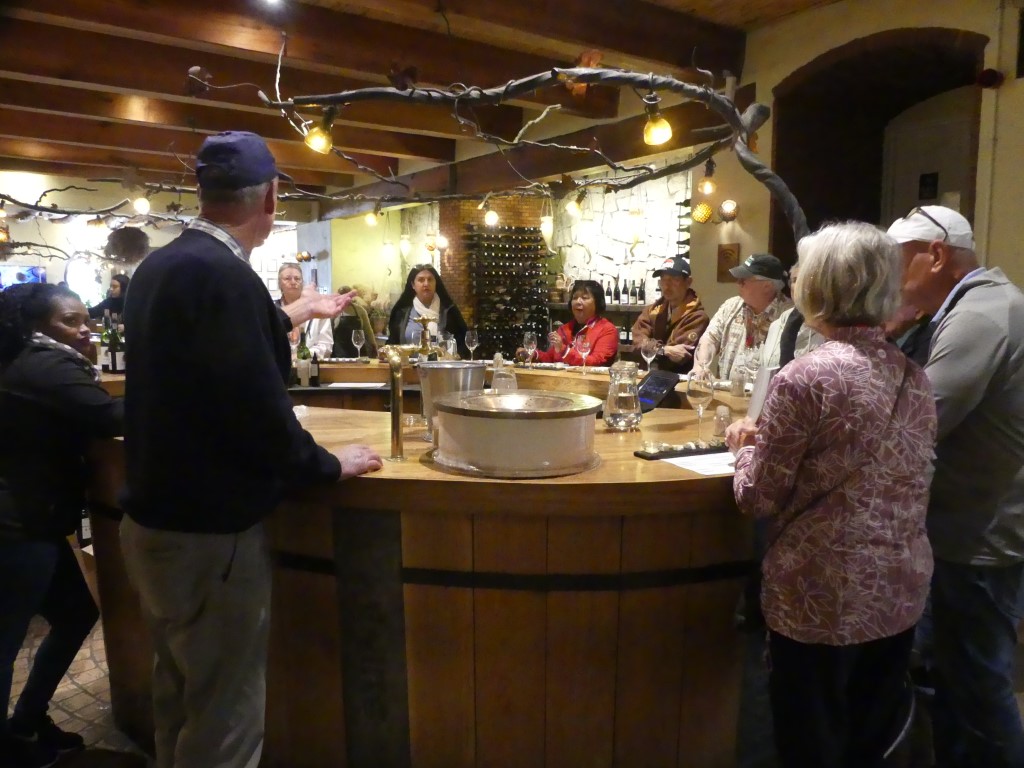


A very happy group boarded the bus for the drive back to Cape Town. A very early morning was ahead of us the next day when we flew to Durban.
 travelswithheather